Has your website’s Domain Rating suddenly plummeted? Many webmasters are grappling with sharp drops following Ahrefs’ major recalibration aimed at prioritizing backlink quality and relevance. This update isn’t a penalty but a clearer reflection of true authority, emphasizing trust signals over sheer link volume. Sudden fluctuations can be alarming, yet they signal an opportunity: assess and refine your backlink profile, focus on earning high-quality, relevant links, and produce valuable content that naturally attracts genuine backlinks. The evolving SEO landscape underscores a shift from superficial metrics to authentic authority, demanding ongoing audit and strategic relationship-building. Are you prepared to adapt? Recognizing these score shifts as vital signals rather than setbacks reveals the path to long-term resilience. In a world where search engines increasingly prioritize trust and relevance, building a sustainable, high-quality backlink profile is your best defense against future fluctuations and an essential step towards genuine online authority.
Article Contents
Unlocking the Secrets of Domain Rating: What’s New with Ahrefs’ Major Update
If you’ve been paying attention to your SEO metrics lately, you’ve probably come across the term Domain Rating, or DR. It’s a score created by tools like Ahrefs to estimate how strong your website’s backlink profile is and how much authority it commands online. Think of DR as a relative measure—comparing your site’s backlink strength to others in your niche or industry. A higher DR suggests your site is trusted, backed by links from reputable sources, while a lower score indicates there’s room to improve.
Recently, Ahrefs rolled out a major update to how they calculate this metric. This wasn’t just a small tweak; it was a significant recalibration aimed at making DR scores more accurate and reflective of the actual quality of your backlinks. Instead of relying heavily on historical data or just counting links, the new algorithm emphasizes the quality, relevance, and trustworthiness of those links. This change helps ensure that your DR score better represents your site’s current authority, not just a snapshot from the past.
The update was driven by a desire to give website owners a clearer and more trustworthy picture of their backlink health. Previously, scores could sometimes be misleading—sites with many low-quality links might appear more authoritative than they actually were. Now, the new DR considers the true value of backlinks, focusing on relevance and domain trust rather than sheer quantity. As a result, sites with fewer but higher-quality backlinks might see their scores rise, while those relying on spammy or irrelevant links could see a decline.
This shift isn’t about penalizing websites or punishing past efforts. Instead, it’s about creating a fairer system that accurately reflects the current state of your backlink profile. The recalibrated scores serve as a more honest mirror of your site’s authority based on the latest backlink data. For SEO professionals and marketers, this means a better understanding of where they stand and what areas need attention. It’s a natural step forward in the ongoing evolution of SEO measurement tools.
How the DR Update Reshapes Website Authority: Fluctuations and What They Mean
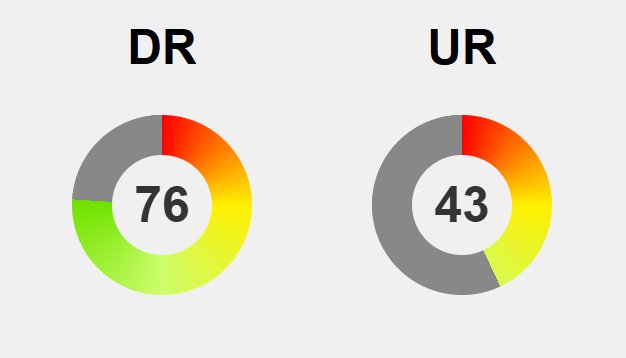
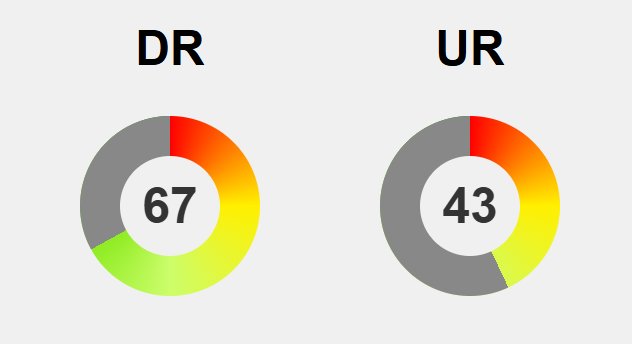
The recent DR update by Ahrefs has visibly shaken up the landscape of website authority scores. Many sites experienced sudden drops—sometimes by 20, 30, or even 50 points—while others saw their scores improve. These fluctuations aren’t accidental; they directly reflect the new emphasis on backlink quality, relevance, and trustworthiness. Websites with cleaner, high-authority backlink profiles tend to stabilize or even gain ground, whereas those relying on low-quality or irrelevant links often see their scores decline.
This shift highlights that the strength of your backlink profile now matters more than ever. Backlinks from reputable, niche-relevant sources carry significantly more weight in the recalibrated DR calculation. If your score drops without any loss of links, it’s likely your competitors have improved their backlink quality or the algorithm is now assigning more importance to relevance and trust signals. These changes make the DR a more accurate mirror of your site’s true authority in the current digital environment.
Many website owners notice that sharp decreases in DR aren’t necessarily caused by penalties or actual link losses. Instead, they are results of the algorithm’s fresh assessment of backlink quality. For example, a high-quality backlink from a trusted site might now be valued more, boosting your authority, while links from less trustworthy sources are discounted. This means your score can fluctuate even if your backlink profile remains unchanged, emphasizing the dynamic nature of link valuation under the new system.
Since DR is a relative metric, these fluctuations also reveal how your site compares with competitors. When others acquire higher-quality backlinks or improve their content, their scores rise, and your ranking can fall—even if your own backlink profile stays stable. This underscores the importance of ongoing backlink audits and strategic efforts to enhance your backlink quality. Improving relevance and trustworthiness isn’t a one-time task; it’s a continuous process that keeps your site competitive.
Fluctuations serve as a valuable signal rather than a setback. A sudden drop may point to weak spots or outdated links that need attention, offering a chance to audit your profile and disavow harmful links. Conversely, an increase in DR indicates that your efforts to earn quality backlinks are paying off. Recognizing these shifts as opportunities to refine your strategy ensures your backlink profile remains resilient and aligned with industry standards, even as the landscape evolves.
Navigating the New SEO Landscape: Embracing Quality Over Quantity in DR Fluctuations
The recent changes in Domain Rating reflect a broader shift in the SEO landscape, one that emphasizes the importance of quality over quantity. Search engines are increasingly prioritizing relevance, trust, and authority, rather than simply counting backlinks. This means that having a large volume of links no longer guarantees credibility; instead, backlinks from reputable, industry-relevant sites carry far more weight. As a result, SEO strategies are evolving to focus on earning genuine, high-quality links that demonstrate real authority and expertise.
This transition encourages a more sustainable approach to building site authority. Instead of chasing numbers, marketers are now investing in creating valuable content that naturally attracts relevant links. Content like in-depth guides, original research, or thought leadership pieces become central to a strong backlink profile. As search engines get better at assessing content quality and user engagement, these factors are becoming inseparable from link-building success.
The fluctuating DR scores are a reflection of these industry-wide changes. When competitors improve their backlink quality or produce more authoritative content, their scores tend to rise, often at the expense of others. For site owners, this means that their relative position in the digital space can shift even if their backlink profile remains unchanged. Staying competitive now requires ongoing effort to monitor, adapt, and enhance both content and backlink quality.
This evolving environment also underscores the importance of trust signals. Search engines are more adept at distinguishing between natural, earned links and manipulative tactics. The focus has shifted towards authenticity, making it crucial for websites to foster genuine relationships within their niche. Building long-term authority depends on providing real value and earning backlinks through expertise and relevance, not shortcuts or paid links.
Fluctuations in DR scores are no longer just setbacks; they serve as indicators of where your website stands in the industry’s new standards. A sudden drop might reveal outdated or low-quality links that need disavowing, while an increase signals that your efforts are aligning with current best practices. Recognizing these signals allows for strategic adjustments that reinforce your site’s authority in a competitive digital environment.
The future of SEO hinges on transparency, relevance, and trust. As algorithms continue to evolve, the emphasis on meaningful, high-quality backlinks will only grow stronger. Creating content that resonates with your audience and building authentic relationships with industry influencers will be key to maintaining resilience against ongoing fluctuations and algorithm updates.
By embracing these principles, website owners can turn DR fluctuations into opportunities for growth. Instead of reacting defensively to changes, viewing them as insights into your backlink health and industry trends enables proactive, strategic improvement. This mindset fosters a more sustainable, long-term approach to online authority—one rooted in real value, relevance, and trust.
Understanding these dynamics can help you respond effectively to sudden changes. For instance, a drastic drop in DR may indicate the need to reassess your backlink profile and focus on acquiring high-quality, relevant links. Staying informed about industry updates, such as the recent DR update discussed in Outrank’s latest news, can provide valuable insights into how search engines are refining their ranking criteria and help you adapt your strategies accordingly.
Mastering Backlink Strategies: Building and Maintaining a Resilient Domain Authority
Maintaining and boosting your domain authority through backlinks requires a strategic, ongoing effort. Start by regularly auditing your backlink profile with tools like Ahrefs or SEMrush to identify low-quality, spammy, or irrelevant links that could harm your scores. Disavowing these harmful links prevents them from passing negative signals, especially as search algorithms grow more sophisticated in evaluating trustworthiness. Once you’ve cleaned up your profile, focus on earning high-quality backlinks from reputable, niche-relevant sites. Outreach, guest posting, and creating valuable content that naturally attracts links are key tactics. Diversifying your backlink sources makes your profile more resilient to fluctuations caused by algorithm updates, ensuring long-term stability.
Authentic outreach forms the backbone of sustainable link-building. Rather than relying on shortcuts or paid schemes, build genuine relationships with industry influencers and trusted sites. Offer value through comprehensive guides, original research, or engaging multimedia that encourages others to reference your work. This approach aligns with Google’s E-E-A-T principles—Experience, Expertise, Authority, and Trust—and fosters a backlink profile built on credibility and relevance. Remember, quality far outweighs quantity; a handful of high-authority, relevant links will outperform a large number of low-quality ones when it comes to increasing your DR and overall trustworthiness.
Monitoring your referring domains is equally crucial. Keep close tabs on your backlinks to detect sudden drops or the appearance of spammy links. If a valuable link disappears or you notice suspicious new ones, act swiftly—reach out to the webmaster or disavow harmful links. Regular oversight allows you to stay proactive in maintaining a healthy backlink profile, which is vital in a competitive industry landscape. Building and sustaining a resilient profile depends on consistently creating content that naturally earns high-quality links and nurturing authentic relationships within your niche community.
Focus on producing valuable, shareable content that naturally attracts backlinks. In-depth tutorials, original research, and insightful industry analysis tend to perform well because they provide real value and establish your site as an authority. When your content is referenced by credible sources, it signals trust and relevance to search engines, strengthening your DR over time. This organic, value-driven approach not only boosts your authority but also helps your site withstand the impact of future algorithm changes. Investing in high-quality content and relationship-building is the most sustainable way to grow your backlink profile.
Building and maintaining a strong backlink profile isn’t a one-time task but a continuous process rooted in authenticity and relevance. Regularly reviewing your backlink strategy, creating high-value content, and engaging with industry influencers set the foundation for sustained growth. These efforts help recover from recent fluctuations, prevent future setbacks, and position your site for long-term success. Prioritizing trustworthiness, relevance, and genuine relationships ensures your online authority remains resilient, even amidst ongoing algorithm updates and industry shifts.
Future-Proof Your SEO: Key Insights and Trends in Backlink and DR Optimization
The recent updates to Domain Rating highlight a fundamental shift in how we should approach SEO and backlink building. Instead of focusing solely on accumulating links, the emphasis now is on earning genuine, high-quality backlinks from relevant and trustworthy sources. This move aligns with the industry’s broader push toward authenticity and trustworthiness, recognizing that real authority can’t be faked or manipulated overnight.
As search engines become more sophisticated, they’re better at identifying natural, earned links that truly demonstrate expertise and relevance. Building a resilient backlink profile means investing in valuable content, forging authentic relationships, and fostering industry credibility. These efforts not only improve your DR but also create a sustainable foundation that withstands future algorithm changes.
Fluctuations in DR are no longer just setbacks; they serve as valuable signals of your site’s current standing. A sudden drop might reveal outdated or low-quality links that need attention, while an increase indicates that your efforts are paying off. Viewing these shifts as opportunities rather than setbacks helps you refine your strategy, focus on relevance, and reinforce trust signals across your backlink profile.
Looking ahead, the importance of ethical, relevance-driven link-building will only grow stronger. Search engines will continue to prioritize content quality, user engagement, and genuine authority over superficial metrics. Creating shareable, authoritative content and nurturing real relationships with industry influencers will be the key to maintaining long-term growth and resilience.
This evolving landscape demands adaptability and a proactive mindset. Regular backlink audits, continuous content improvement, and authentic outreach are essential to stay ahead. By focusing on trust, relevance, and value, you can turn fluctuations into stepping stones for sustained authority and competitive advantage.
In essence, these updates challenge us to think beyond quick wins and superficial metrics. Building real influence requires patience, strategic effort, and a commitment to authenticity. When approached with integrity, your backlink profile becomes a powerful asset that supports enduring growth, rather than a fragile score dependent on ever-changing algorithms.
The takeaway is clear: long-term success in SEO hinges on trustworthy, relevant backlinks and valuable content. Embracing this principle positions your site not just for today’s rankings, but for a resilient and reputable online presence that can thrive amid ongoing industry shifts.