The Ford Mustang stands as an enduring symbol of American freedom, power, and rebellion, captivating generations with its iconic design and exhilarating performance. Since its debut in 1964, it has evolved without losing its core identity, blending vintage appeal with cutting-edge technology. From its roots as a muscle car with roaring V8 engines to modern iterations featuring digital dashboards and hybrid options, the Mustang reflects a dynamic balance of tradition and innovation. Its cultural impact—immortalized in movies, music, and pop culture—cements its status as more than just a vehicle; it’s a lifestyle emblem. Yet, as the automotive world shifts toward sustainability and advanced technology, the question remains: Can the Mustang’s legendary spirit adapt to the future while retaining its rebellious soul? With upcoming electric and autonomous models, the road ahead promises to uphold its legacy as a symbol of resilience, freedom, and American ingenuity.
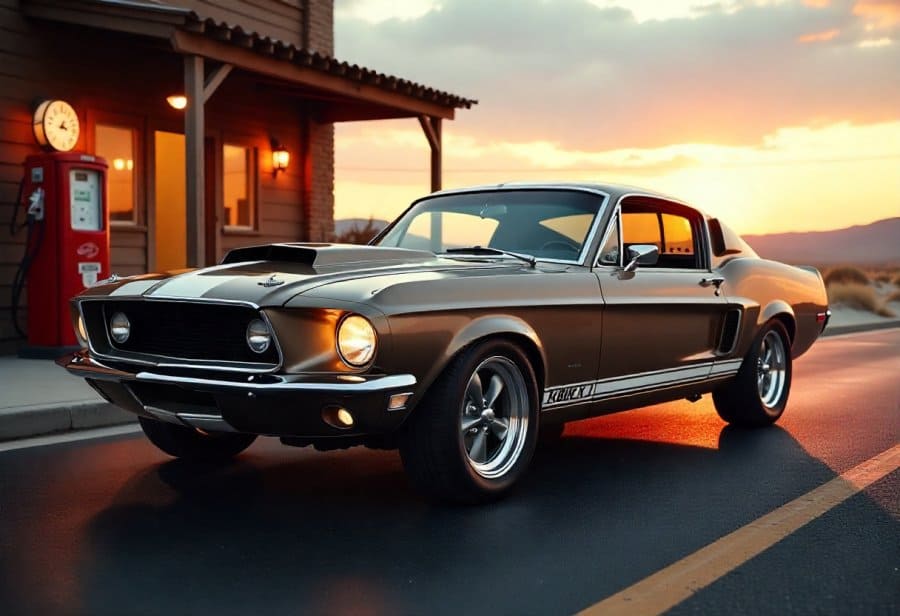
Discover the Heartbeat of American Freedom: The Mustang’s Iconic Legacy
The Ford Mustang isn’t just a car; it’s a symbol that runs deep into the heart of American culture. Since its debut in 1964, it has become more than a mode of transportation—it’s a statement of freedom, individuality, and raw power. Its bold design and roaring engines captured the public’s imagination almost instantly, turning the Mustang into a household name. Its distinctive silhouette, with features like the signature pony grille and long, sleek hood, makes it instantly recognizable and evocative of motion and performance.
What makes the Mustang truly special is its ability to evolve without losing its core identity. Over the decades, it has maintained its status as an icon of performance and style, adapting to changing tastes and technological advances. From the simple, sporty models of the 1960s to the modern versions equipped with cutting-edge features, each generation reflects a blend of innovation and tradition. It’s a car that has grown alongside American society, mirroring its values of independence and adventure.
Beyond its striking looks, the Mustang’s performance power has been a defining trait. Early models packed powerful V8 engines that delivered impressive horsepower, earning its reputation as a true muscle car. Today, it offers a range of engines—from turbocharged EcoBoost options to legendary V8s—that ensure exhilarating speed and handling. This relentless pursuit of performance keeps the Mustang at the forefront of American muscle cars and continues to inspire admiration on the road.
The cultural significance of the Mustang extends far beyond the showroom. It has appeared in countless movies, songs, and TV shows—each appearance reinforcing its image as a symbol of rebellion, freedom, and adventure. From Steve McQueen’s famous chase scene in “Bullitt” to its presence on album covers, the Mustang’s iconic status is woven into American storytelling and dreams of open roads.
Design-wise, the Mustang’s details have become timeless. The racing stripes, side scoops, and aggressive stance evoke its racing roots, while maintaining a vintage charm that appeals to both nostalgic enthusiasts and new drivers. These design cues aren’t just aesthetic—they tell stories of speed, power, and American muscle, reinforcing its legacy with every new model.
In essence, the Mustang isn’t just a vehicle; it’s a living symbol of American values—freedom, rebellion, and innovation. Its enduring appeal lies in its ability to adapt without losing sight of its roots, making it a true legend that continues to inspire drivers across generations.
From Birth to Legend: The Evolution of the Ford Mustang
The story of the Ford Mustang begins in April 1964, marking a pivotal moment in American automotive history. Ford aimed to create a car that would appeal to younger, adventurous drivers seeking something different from traditional family vehicles. Built on a new platform, the Mustang offered a variety of body styles—fastbacks, convertibles, and coupes—that provided both versatility and customization options. Its debut was met with immediate excitement, thanks to its distinctive design, affordable price, and promising performance, quickly earning the label of a “pony car” that would define an era.
As the years progressed, the Mustang evolved through multiple generations, each reflecting shifting tastes and technological advances. The first models of the mid-1960s showcased sleek, sporty lines characterized by long hoods and short rear decks—design elements that became signature traits. Ford continually refined the look, introducing sharper lines, improved aerodynamics, and more aggressive grilles, keeping the model fresh and appealing. The late ‘60s saw the introduction of high-performance variants like the Shelby GT350 and GT500, which pushed the boundaries of speed and reinforced the Mustang’s reputation as an icon of muscle and power.
Engine options expanded and diversified over time. Early models featured powerful V8 engines that delivered impressive horsepower, making the Mustang a true muscle car. Over the decades, Ford added turbocharged EcoBoost engines, hybrid variants, and fuel-efficient options to meet changing industry standards and consumer preferences. Modern Mustangs now boast advanced features such as electronic stability control, sophisticated infotainment systems, and driver-assist technologies, blending performance with modern convenience while maintaining their performance edge.
Design details have played a pivotal role in maintaining the Mustang’s iconic status. The signature pony grille, fastback silhouette, and racing-inspired accents evoke its racing roots and heritage. These elements not only define its aesthetic but also communicate motion, speed, and performance—values deeply embedded in the car’s DNA. Each generation has paid homage to these design cues, ensuring that the Mustang remains instantly recognizable and relevant to both nostalgic fans and new drivers.
Throughout its history, the pursuit of performance has been relentless. From the modest 289 V8s of the early days to today’s turbocharged engines producing over 700 horsepower, each iteration has pushed the limits of muscle car capability. Handling, suspension, and braking systems have advanced significantly, transforming the Mustang into a car that performs confidently on both city streets and racetracks. This continuous drive for innovation has cemented its place as a benchmark among American muscle cars.
The Mustang’s journey from inception to modern legend is a testament to its ability to adapt while staying true to its roots. It has grown from a simple, sporty vehicle into a symbol of American resilience, freedom, and performance. Its evolution embodies a perfect balance of tradition and progress—ensuring that the Mustang remains relevant and revered across generations.
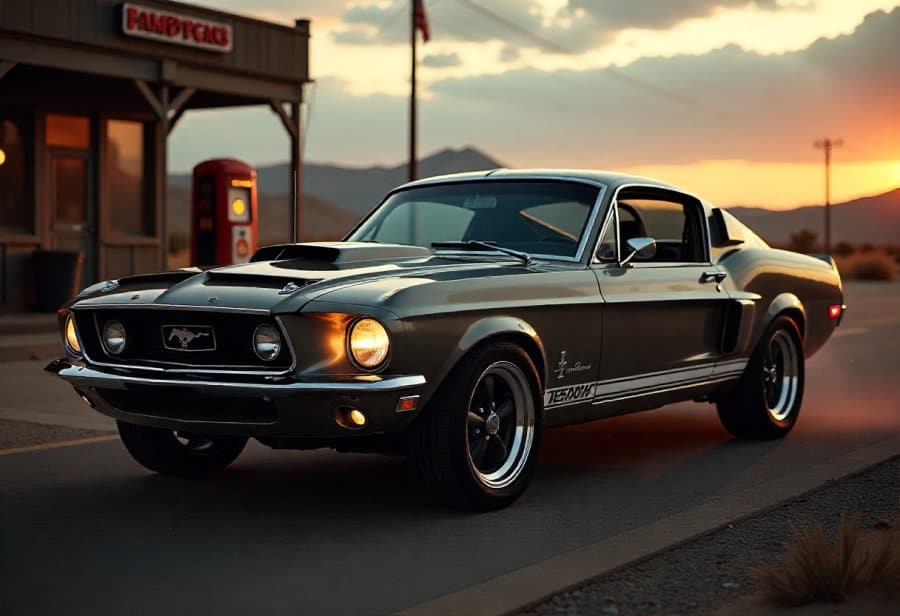
The Mustang Today: Merging Heritage with Modern Performance
Today, the Ford Mustang continues to stand as a powerful symbol of American automotive culture, seamlessly blending its historic design with cutting-edge technology. Modern models showcase digital dashboards, advanced infotainment systems, and safety features like adaptive cruise control and lane-keeping assist, making the driving experience safer and more intuitive. Yet, despite these innovations, the Mustang’s bold, aggressive styling remains instantly recognizable—its signature pony grille, sleek lines, and fastback silhouette evoke the performance and rebellious spirit that have defined it for decades.
Performance remains at the heart of the Mustang’s identity. Today’s lineup offers turbocharged EcoBoost engines that deliver impressive power and efficiency, making the car accessible to a broader audience. For purists, the legendary 5.0-liter V8 continues to reign, producing over 450 horsepower and embodying raw muscle car power. Handling and suspension systems have been significantly refined, transforming the Mustang into a vehicle that can confidently conquer city streets and racetracks alike, ensuring every drive is exhilarating.
Beyond technical specs, the Mustang’s presence in pop culture keeps it relevant. It’s appeared countless times in movies like “Bullitt” and “Gone in 60 Seconds,” reinforcing its image as a symbol of speed and rebellion. The roar of its engines and its striking design continue to inspire songs, artwork, and a sense of freedom that resonates across generations. This cultural footprint solidifies its status not just as a car, but as a lifestyle icon rooted in the ideals of independence and adventure.
Design-wise, the Mustang maintains its timeless appeal through signature cues like racing stripes, side scoops, and the sculpted hood, which pay homage to its racing heritage. These elements evoke motion and strength, connecting modern models to their vintage roots. This careful balance of heritage and innovation ensures the Mustang remains fresh and relevant, appealing to nostalgic enthusiasts and new drivers alike.
Looking ahead, the future of the Mustang promises exciting developments. Ford is exploring electric and hybrid variants that aim to match or surpass traditional performance, all while embracing sustainability. Features like autonomous driving modes and customizable driving experiences are likely to become standard, offering greater personalization without compromising the car’s core spirit of power and rebellion.
Despite these technological shifts, the essence of the Mustang endures. Its iconic design cues and performance DNA continue to evoke motion, strength, and the thrill of the open road. Each new iteration respects its storied past while pushing toward future innovations, ensuring it remains a symbol of resilience and American ingenuity.
In the end, the Mustang today exemplifies a perfect blend of legacy and progress. It remains relevant not only through its impressive performance and design but also through its cultural resonance. As it evolves with new technologies and energy sources, the Mustang’s unwavering spirit—freedom, power, and rebellion—continues to inspire drivers and enthusiasts worldwide, securing its place as a true American icon for generations to come.
More Than a Car: The Mustang’s Cultural Impact and Symbolism
The Ford Mustang has become much more than just a car; it’s a powerful symbol that embodies the spirit of American freedom and rebellion. Its appearances in iconic movies like “Bullitt” and “Gone in 60 Seconds” have cemented its status as a visual shorthand for speed, power, and adventure. These films showcased the Mustang’s raw performance and sleek design, transforming it into a cultural icon that resonates across generations. The car’s presence on the big screen has helped shape its identity as a symbol of daring and independence, inspiring countless fans to see it as more than just transportation.
In music, the Mustang’s roar has become synonymous with personal freedom and self-expression. From rock and roll to country, it’s appeared on album covers and in lyrics that celebrate breaking free from conventions. The engine’s sound and aggressive stance evoke feelings of liberation, inspiring artists and fans alike to chase their dreams with passion. This musical legacy amplifies the car’s image as a rebellious force, echoing the wider cultural ideals of independence and resilience.
Beyond entertainment, the Mustang has played a key role in shaping the American identity. Its design and performance evoke control, adventure, and resilience—values deeply ingrained in the national psyche. Owning a Mustang isn’t just about driving; it’s a declaration of personality and a stand against conformity. Its signature design cues, like the pony grille and long hood, tell stories of racing heritage, power, and American muscle, making it a statement piece that’s instantly recognizable and emotionally resonant.
The Mustang’s ability to adapt to new cultural trends without losing its core essence keeps it relevant. Restored vintage models and modern editions continue to symbolize freedom and rebellion, maintaining a timeless appeal. Its frequent appearances in media and pop culture ensure that the legend lives on, inspiring new generations to view it as more than a car—it’s a lifestyle symbol rooted in the ideals of independence and adventure.
Looking ahead, the Mustang’s role as an American icon is set to grow even stronger. Ford’s exploration of electric and hybrid models aims to preserve its performance and rebellious spirit while embracing sustainability. As autonomous features and customizable driving modes become more common, the Mustang will likely continue to inspire drivers with innovation that stays true to its legacy.
The enduring cultural significance of the Mustang demonstrates its power to transcend trends. Its story is one of resilience, adaptation, and authenticity—qualities that continue to fuel its legendary status. As it evolves, the Mustang remains a beacon of American ingenuity, inspiring both nostalgia and new aspirations for freedom and power. It’s more than a car; it’s a symbol that drives American culture forward.
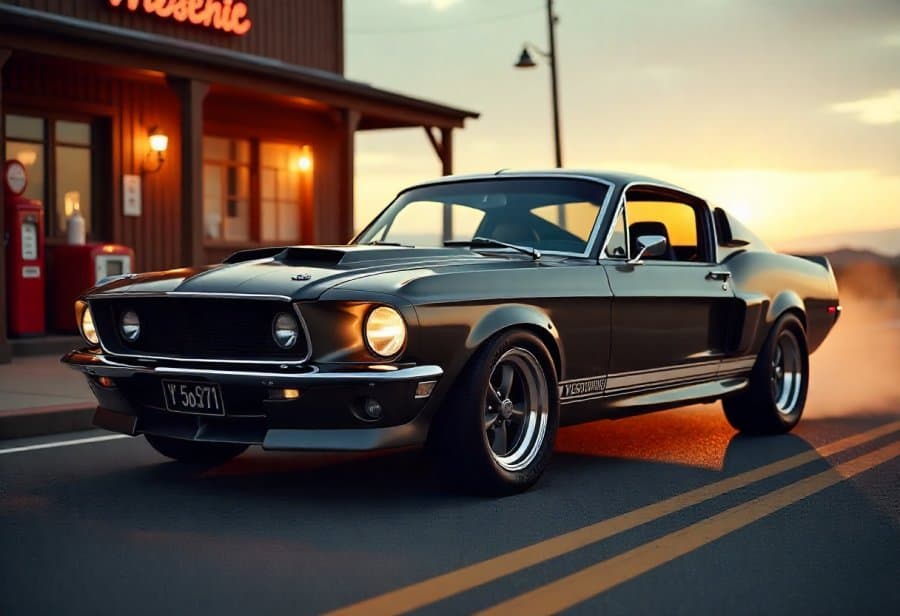
Looking Forward: The Future of the Mustang and Its Enduring Spirit
The Ford Mustang’s legacy is rooted in its ability to embody the spirit of American muscle and innovation. Over the decades, it has transformed from a groundbreaking sports car into a cultural icon that continues to inspire drivers and enthusiasts worldwide. Each generation has added new layers to its story, balancing powerful performance with timeless design, proving that a car can be more than transportation—it can be a symbol of freedom and individuality.
Looking ahead, the future of the Mustang is filled with exciting possibilities. Ford is actively developing electric and hybrid versions to sustain its performance legacy while embracing sustainability. These advancements aim to deliver the same adrenaline rush fans love, with a lighter environmental footprint. Innovations like autonomous driving modes and customizable driving experiences are expected to enhance driver engagement and personalization, ensuring the Mustang remains relevant in a rapidly changing automotive landscape.
Despite these technological shifts, the essence of the Mustang remains unchanged. Its iconic design cues—the pony grille, long hood, and sleek silhouette—continue to evoke motion and strength. These details serve as visual anchors, linking each new model to its proud heritage and reinforcing the emotional bond with its fans. This seamless blend of tradition and progress ensures the Mustang’s appeal endures across generations.
The lessons from its history highlight the importance of staying true to core values while adapting to new trends. The Mustang’s ability to evolve without losing its authentic identity has helped it transcend fleeting fashions, maintaining its status as a symbol of resilience and American ingenuity. This approach demonstrates that genuine innovation, rooted in authenticity, is key to lasting impact.
As the automotive world shifts toward cleaner energy and smarter technology, the Mustang’s future remains promising. Its ongoing evolution will likely include more sustainable powertrains and advanced safety features, all while retaining its distinctive character. This commitment to balance—between heritage and innovation—ensures that the Mustang will continue to inspire new generations of drivers and maintain its place as an enduring American icon.
Ultimately, the Mustang’s story is far from over. Its ability to adapt while honoring its deep roots guarantees that it will remain a symbol of power, rebellion, and freedom. With each new chapter, the Mustang reaffirms its place in automotive history, promising a future as thrilling and iconic as its past. For enthusiasts and newcomers alike, the road ahead is full of promise, driven by the same spirit that has made the Mustang a legend for over half a century.