Underground street racing transcends mere speed, forging a Brotherhood rooted in loyalty, craftsmanship, and shared defiance. This clandestine culture thrives in secret locations, where modified cars and digital tuning fuel adrenaline-fueled battles that bind racers together beyond the asphalt. As technology evolves—with electric vehicles and encrypted communication—it challenges traditional norms, prompting the community to adapt while fiercely guarding their bonds. Is this rebellious scene destined to transition into sanctioned venues, or will its core spirit of secrecy and brotherhood endure? Despite law enforcement crackdowns and societal shifts, the resilience of this brotherhood persists, driven by a collective quest for identity, pride, and loyalty. The scene’s future hinges on balancing innovation with tradition—preserving its rebellious roots while embracing technological advancements. In a world where speed, loyalty, and defiance collide, underground street racing remains a potent symbol of urban kinship that refuses to fade.
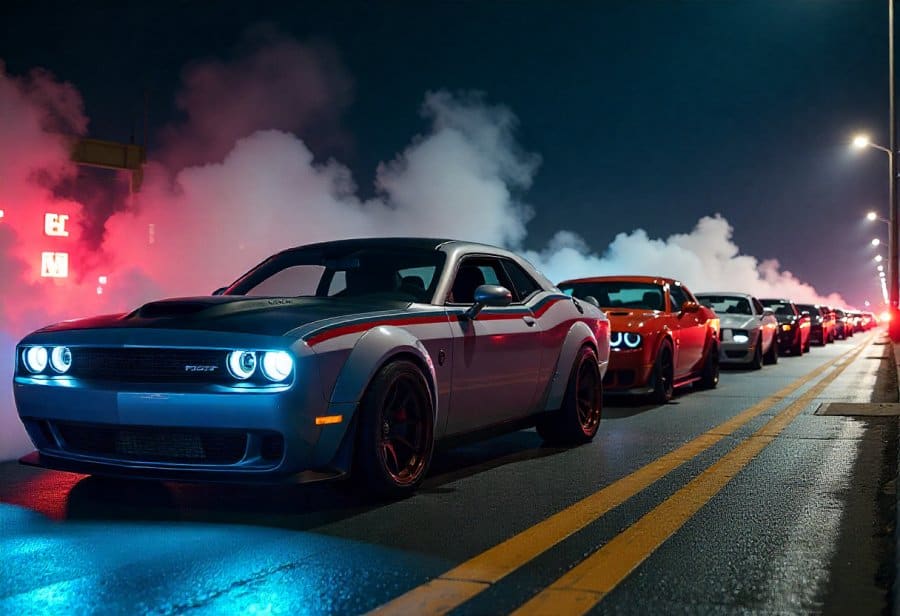
Unveiling the Underground Street Racing Culture: A Rebellious World of Speed and Community
Underground street racing isn’t just about hitting top speeds; it’s a culture built on adrenaline, rebellion, and a deep sense of community. Usually taking place after dark on deserted city streets or in empty parking lots, it attracts enthusiasts eager to push their cars—and themselves—beyond legal limits. This scene is characterized by heavily modified vehicles, secret meetups, and a shared trust among drivers who see speed as a form of self-expression and defiance.
At its core, underground racing is a clandestine activity that exists outside official motorsport circuits. Racers spend time tuning their cars with turbochargers, body kits, and digital controllers, transforming everyday vehicles into high-performance machines. These races are often organized informally, relying on reputation and loyalty to determine who races and when. The community values craftsmanship, skill, and shared experiences, creating bonds that extend well beyond the asphalt.
This scene grew out of spontaneous late-night gatherings among urban car enthusiasts in the late 20th century. Friends would meet in quiet streets or parking lots, driven by competition and the thrill of speed. Over time, crews formed—developing their own codes of conduct and fostering a sense of belonging through shared effort and pride in their cars. Movies like the “Fast and the Furious” franchise helped glamorize this underground world, portraying it as a rebellious lifestyle filled with daring stunts and high-stakes races.
Technology has dramatically evolved street racing. Today’s racers use digital tuning tools, electronic fuel injection, and turbo upgrades to push their vehicles further. Social media and online forums enable organization and sharing of achievements across regions, expanding the scene from local neighborhoods to a global network. Despite law enforcement crackdowns, the culture persists, driven by loyalty, trust, and an unwavering passion for speed.
Underground racing remains resilient because it’s about more than just cars; it’s about forging lifelong bonds through shared passion and trust. Crews become families, supporting each other beyond race days. Custom cars, secret signals, and rituals foster a sense of belonging rooted in loyalty and shared effort. These relationships turn fleeting moments of adrenaline into lasting friendships, making the scene more than a pastime—it’s a way of life.
As the scene continues to evolve with new technology and social platforms, its core spirit endures. Electric vehicles and digital tuning open new avenues for modification, attracting younger generations eager for innovation. Online communities deepen connections and organize clandestine events, ensuring that the heart of underground street racing—the bonds it creates—will keep its rebellious, brotherhood-driven essence alive for years to come.
Tracing the Roots: The Evolution of Street Racing from Casual Meets to a Global Subculture
Street racing’s origins trace back to informal gatherings among car enthusiasts in cities during the late 20th century. It all began with friends meeting late at night on quiet streets or in empty parking lots, eager to see who had the fastest cars or the coolest modifications. These initial meets were built on trust and reputation, creating a tight-knit community driven by shared passion and skill. As these gatherings grew, so did the desire for competition, leading racers to develop their own unspoken codes of conduct and loyalty.
Over time, the scene became more organized, even without official oversight. Crews formed naturally, sharing tips on tuning, modifications, and racing techniques. Building and customizing cars became an expression of pride, with loyalty cemented through collaborative work and shared victories. This emphasis on craftsmanship and brotherhood transformed street racing from casual meets into a full-fledged subculture rooted in collective effort and identity.
Movies like the “Fast and the Furious” played a significant role in shaping perceptions of street racing. They romanticized the rebellious lifestyle, glamorizing the thrill of high-speed pursuit while glossing over the risks involved. These portrayals sparked global interest, turning localized underground activities into a worldwide phenomenon. Despite its illegal nature, street racing thrived because it fulfilled a deep craving for adrenaline, defiance, and a sense of belonging—values that resonated with a generation eager to challenge norms.
Technological advances further fueled the scene’s evolution. Modern racers utilize digital tuning tools, electronic fuel injection, and turbo upgrades to push their cars to new performance heights. The rise of social media and online forums made it easier to organize races and share achievements across borders. This digital connectivity expanded the scene beyond neighborhoods, creating a global network that keeps the culture vibrant and continually adapting.
Even with increased law enforcement crackdowns, the core spirit of underground racing remains resilient. The community’s loyalty and trust are vital for survival—underground networks operate in secrecy, developing new methods to organize and meet without attracting unwanted attention. The rebellious attitude, craftsmanship, and sense of kinship continue to drive the scene forward, proving its ability to evolve while maintaining its roots.
Looking ahead, the scene is poised for further change. Electric vehicles and digital tuning open new possibilities for modification and racing, attracting younger generations eager for innovation. Online platforms will deepen connections and foster underground events, ensuring the bonds of loyalty and brotherhood stay strong. This ongoing evolution reflects a culture founded on shared passion, trust, and defiance—elements that will keep underground street racing alive for years to come.
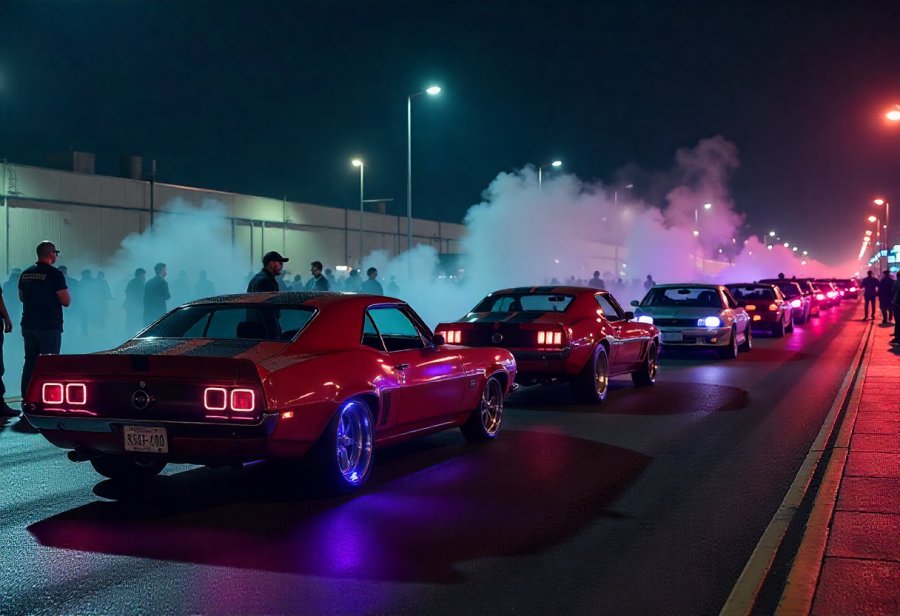
Living the Fast Life: The Dynamics of Modern Underground Street Racing
Today’s underground street racing scene has adapted to the modern city environment in ways that keep it vibrant and constantly evolving. Races now often take place in discreet spots like quiet neighborhoods, abandoned industrial zones, or deserted parking lots—places that offer enough privacy to avoid immediate detection but still deliver the adrenaline rush. Organizers coordinate through social media groups and messaging apps, which help plan events without attracting law enforcement’s eye. This digital planning keeps the scene alive, maintaining its secretive and rebellious spirit.
The races themselves are quick, high-stakes sprints over short distances, usually a quarter-mile or less. Drivers line up side by side or take turns in relay formats, depending on the location and crew. The atmosphere crackles with tension—timing, skill, and nerves determine who crosses the finish line first. Despite the illegal nature of these races, respect and loyalty among participants are just as important as winning. The camaraderie built in these moments makes every race feel like part of a larger brotherhood.
Behind the scenes, the community remains diverse and tightly knit. Skilled racers spend countless hours tuning their cars—adding turbochargers, body kits, and digital controllers—to boost performance. Many operate within crews that support and mentor each other, forging bonds that go beyond just racing. Spectators, from fellow enthusiasts to curious passersby, often gather to watch or follow online, further fueling the scene’s energy. Law enforcement remains a constant threat, which makes the underground aspect even more intense and secretive.
The scene’s resilience comes from a shared desire for adrenaline, self-expression, and defying societal norms. For many, it’s about showcasing their skills and creativity—turning their cars into symbols of pride and rebellion. Stories of close calls and victories deepen the bonds among racers, turning fleeting moments of speed into lifelong friendships. It’s more than just a pursuit of victory; it’s a way to belong and prove oneself.
Technological advances have shaped the current landscape. Digital tuning devices, electronic fuel injection, and turbo upgrades push cars to new performance heights. Social media and online forums connect racers across regions, enabling clandestine meetups and sharing achievements. This interconnectedness broadens the scene beyond local neighborhoods, creating a global network that keeps the culture vibrant and adaptable.
Even with law enforcement intensifying efforts, underground street racing persists because its core values—loyalty, craftsmanship, and brotherhood—remain strong. Racers develop underground networks emphasizing trust and secrecy, often meeting in hidden locations to evade detection. As technology and society evolve, the scene continues to adapt, ensuring that the bonds of kinship and the rebellious spirit endure. Despite external pressures, the heart of underground racing beats on, driven by a shared passion for speed and loyalty that transcends legality.
Brothers in Speed: How Street Racing Builds a Powerful Community and Deep Bonds
Underground street racing is more than just a contest of speed; it’s a forge for deep connections rooted in shared passion and unwavering trust. Racers often describe their crews as family, bonded through late-night meetups, collaborative car work, and mutual support beyond the asphalt. Loyalty here isn’t just a word—it’s the foundation that transforms fleeting adrenaline moments into lifelong friendships. When you work side-by-side tuning a car or sharing a victory, those bonds grow stronger, turning rivals into brothers.
Within this community, unspoken codes of conduct create a sense of safety and trust. Racers depend on each other to keep locations secret, support one another through legal or personal struggles, and maintain the integrity of their shared passion. These relationships survive law enforcement crackdowns because they’re built on loyalty and respect. Members look out for each other’s well-being, sharing advice and standing united in the face of risks, which reinforces the resilience of the scene.
Stories of late-night races, daring escapes, and shared victories weave into the fabric of the community’s collective history. Every close call and triumphant win deepens the sense of belonging. For many, racing is about more than winning—it’s about being part of a clandestine family that celebrates craft, skill, and defiance. These moments forge an identity rooted in trust and mutual effort, turning individual efforts into a shared culture that endures beyond each race.
What sustains this brotherhood is the understanding that loyalty and craftsmanship transcend the fleeting thrill of speed. Racers pass down secrets, defend each other’s reputations, and uphold the unspoken rules that keep their community alive. Even as external threats loom and police crackdowns intensify, these bonds hold firm. The underground scene’s strength lies in its ability to adapt, but its core remains rooted in a steadfast sense of kinship that unites everyone involved.
As the culture evolves with new technology and societal shifts, this sense of brotherhood remains the heart of underground racing. Digital platforms and secret meetups continue to nourish the community, ensuring that loyalty and shared purpose endure. This enduring kinship transforms underground street racing from a rebellious act into a powerful, resilient community—one built not just on speed, but on trust, craftsmanship, and the unbreakable bonds of a racing family.
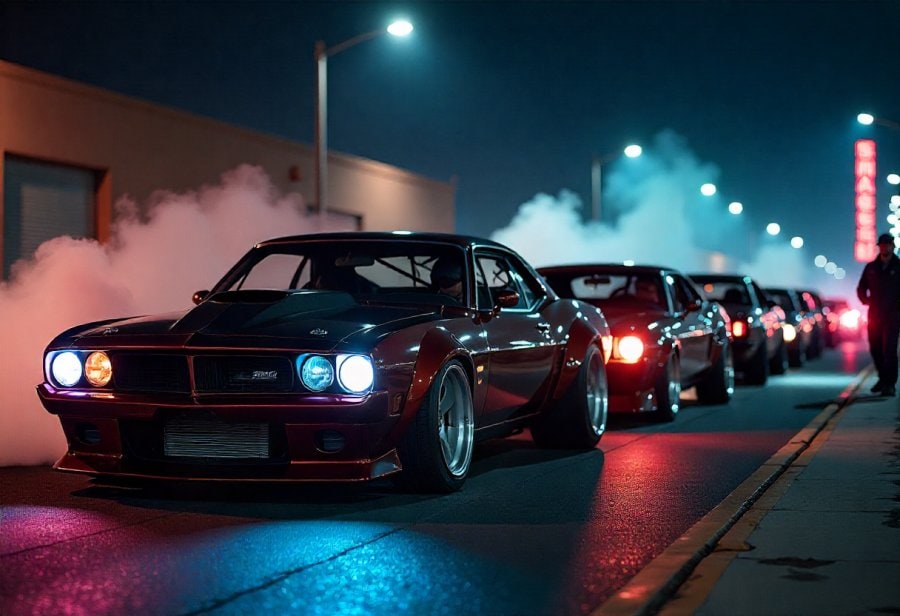
The Road Ahead: Future Trends and the Evolution of Underground Street Racing Culture
As technology continues to advance, the landscape of underground street racing and its brotherhood is set to transform significantly. Electric vehicles are beginning to reshape how enthusiasts approach modification and racing, offering quieter, more efficient options that attract a new generation eager for innovation and sustainability. This shift could make races more discreet, shifting the scene from loud, conspicuous events to more covert gatherings, yet still packed with adrenaline and technical skill. Digital tuning and smart electronics will likely become central to car customization, further deepening the technical mastery that defines the culture.
At the same time, increased law enforcement surveillance and smarter tracking tools are pushing underground racing deeper into secrecy. Racers will probably develop more sophisticated methods to organize and meet—encrypted apps, hidden locations, and underground tracks designed to evade detection. This clandestine evolution raises the stakes but also reinforces the resilience of the community. Loyalty and trust remain vital, with racers supporting each other in adapting to a world where visibility and safety are constantly challenged.
Looking ahead, the scene might see a blend of tradition and innovation. Some believe that sanctioned street racing venues could emerge, offering legal spaces for high-performance driving that preserve the competitive spirit while ensuring safety. Such developments could help legitimize the culture, allowing racers to push limits without fear of legal repercussions. Others might double down on secrecy, creating an underground network that emphasizes trust, loyalty, and shared secrets—keeping the rebellious essence alive even as the landscape shifts.
The rise of electric cars and advanced digital modifications will also diversify racing formats and car builds, attracting younger enthusiasts eager to experiment with cutting-edge technology. This infusion of fresh energy could expand participation, making the scene more inclusive while still rooted in its core values of craftsmanship and brotherhood. The challenge will be balancing innovation with the scene’s rebellious roots, ensuring that the culture evolves without losing its identity.
Community-driven efforts and collaborations with local authorities may also shape a safer future. Initiatives to create sanctioned events or designated underground venues could provide a safer outlet for the passion that fuels the scene. These spaces would allow the brotherhood to flourish, sharing knowledge and skill while reducing risks and legal threats. By blending safety with the shared purpose of speed and loyalty, the culture can sustain itself and grow responsibly.
In the end, underground street racing isn’t just about speed; it’s about loyalty, craftsmanship, and the bonds forged through shared defiance. These values will continue to guide the scene through technological and societal changes. No matter how the landscape shifts—whether through innovation, increased regulation, or new formats—the core of the brotherhood remains resilient. It’s this enduring sense of kinship and shared purpose that will keep underground racing alive, evolving as a powerful expression of urban identity and unbreakable community.