Dive into the timeless exploration of heroism through the contrasting worlds of Odysseus and Batman, two icons separated by centuries yet united by universal virtues. This analysis reveals how ancient Greek tales celebrate wisdom, loyalty, and endurance—values rooted in societal ideals of mental agility and moral strength—while modern stories grapple with moral ambiguity, chaos, and individual justice. What do these differences say about the societies that birthed them? More importantly, what enduring lessons can we glean from their resilience, moral resolve, and ambition? As we examine their stories, we uncover a dynamic evolution of hero archetypes—reflecting shifting cultural fears, hopes, and priorities. Could the virtues that define these heroes inspire our own journey? This compelling comparison invites us to reconsider heroism not as perfection but as a lifelong pursuit of resilience, morality, and integrity—qualities that continue to shape our collective identity and personal growth.
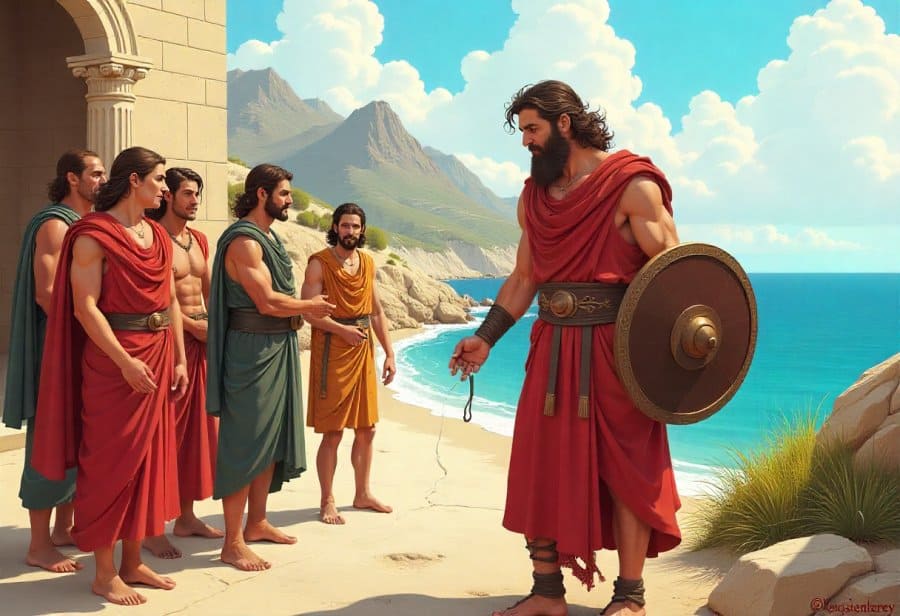
Unveiling the Heart of Heroism: Odysseus and Batman as Archetypes
Heroism is a concept that resonates across cultures and eras, serving as a mirror for societal values, fears, and hopes. It embodies qualities like courage, resilience, and moral strength—traits that inspire admiration regardless of time or place. These virtues are not fixed; they evolve with the societies that tell their stories, shaping heroes to reflect current ideals and concerns.
Focusing on Odysseus and Batman offers a compelling view of how different cultures craft their archetypes. Odysseus, from Greek mythology, exemplifies cleverness, loyalty, and endurance. His adventures highlight a society that values wisdom and strategic thinking—virtues that emphasize mental agility over brute strength. In contrast, Batman, a modern creation, embodies the anxieties of a society grappling with chaos, moral ambiguity, and the desire for justice outside official channels.
Despite their differences, both heroes showcase resilience and ambition. Odysseus’s long journey home is driven by a desire to restore his honor and return to his family, reflecting a universal human drive for achievement and recognition. Batman’s relentless fight against Gotham’s villains mirrors a hope for order and safety, emphasizing that heroism often involves moral resolve and individual effort. Their stories reveal that heroism adapts to the cultural landscape, emphasizing certain virtues depending on societal needs.
Understanding these archetypes helps us see how hero stories serve as more than entertainment—they are expressions of collective identity. Odysseus’s cunning and loyalty echo Greek ideals of wisdom and resilience, while Batman’s moral complexity resonates with modern concerns about chaos and morality. Both reflect the values and fears of their respective worlds, shaping the virtues we admire and the challenges we deem worthy of heroism.
These stories remind us that heroism is a dynamic, evolving idea. Heroes are not perfect—they embody virtues that can be cultivated through effort and perseverance. By exploring these archetypes, we gain insight into what virtues matter most and how they can inspire us to face our own challenges with courage and integrity. Hero stories, at their core, are reflections of human civilization’s ongoing quest to define strength, virtue, and resilience.
From Myth to Modernity: Cultural Foundations of Heroic Legends
Greek mythology and modern comic book culture may seem worlds apart, but both have deeply influenced the heroes they’ve shaped. In ancient Greece, stories weren’t just entertainment; they served as a way to explain the universe, teach moral lessons, and reinforce societal values. Heroes like Odysseus embodied qualities that Greek society prized—wisdom, cleverness, and endurance. His adventures, from crafting the Trojan Horse to navigating divine wrath, highlight a hero who relies on intellect and strategy as much as strength. These stories reflected a culture that celebrated mental agility, loyalty, and moral virtue as essential virtues.
Fast forward to the 20th century, and the landscape of heroism shifts dramatically. Comic books emerged as a new storytelling medium that responded to contemporary anxieties—chaos, crime, moral ambiguity. Batman, created in 1939, is a prime example. Unlike mythic heroes rooted in divine intervention, Batman operates in a gritty urban environment, fighting shadows and moral gray areas. His dark persona and reliance on technology mirror a society grappling with uncertainty and questioning authority. The hero’s vigilante approach reflects the modern desire for justice outside traditional institutions, often in response to societal fears about disorder.
While Odysseus’s tales emphasize cunning, resilience, and loyalty, Batman’s origins highlight moral complexity, individual responsibility, and the fight against chaos. These cultural backdrops shape their respective archetypes—Odysseus as a symbol of wisdom and perseverance, Batman as a reflection of modern anxieties about morality and security. Their stories serve as cultural mirrors, revealing what each society values and fears most. Greek mythology’s focus on divine influence and strategic wit contrasts with modern concerns about moral ambiguity and chaos control, demonstrating how hero stories evolve alongside societal shifts.
Both heroes are products of their time, embodying the hopes and fears of their societies. Odysseus’s cleverness and endurance echo Greek ideals of mental strength and virtue, crafted to inspire resilience in turbulent times. Batman’s shadowy persona and moral dilemmas resonate with a world troubled by moral gray areas and a loss of faith in official justice. Their stories illustrate how cultural context shapes hero archetypes—each reflecting different layers of societal identity and collective psychology.
Understanding the roots of these heroes reveals how storytelling adapts to societal needs. Greek myths reinforced virtues like wisdom and loyalty, emphasizing the importance of mental strength in divine and mortal struggles. Modern comics focus on moral resilience, individual action, and confronting chaos head-on. Both reflect the societies that created them—values that continue to influence how we see heroism today. Their stories are not just entertainment; they are cultural artifacts that reveal our ongoing dialogue with virtue, morality, and resilience across history.

The Building Blocks of Heroism: Morality, Resilience, and Ambition
Heroism is built on a foundation of core virtues that distinguish heroes from ordinary individuals. Morality stands at the forefront, guiding heroes to act with integrity and uphold justice, even when faced with difficult choices. Odysseus, for example, navigates moral gray areas through cunning and deception, yet remains deeply loyal to his family and honor. Batman, on the other hand, adheres to a strict personal code that forbids him from taking lives, illustrating how moral resolve can serve as a hero’s strongest shield.
Resilience is another essential trait, representing more than just bouncing back from setbacks. It’s about enduring hardship with unwavering determination. Odysseus exemplifies this through his long, perilous journey home, facing divine wrath, monsters, and temptation, yet never losing sight of his goal. Batman’s resilience shows in his relentless fight against Gotham’s villains, risking everything to protect his city. Both heroes demonstrate that mental toughness and perseverance are crucial in overcoming adversity and staying committed to their missions.
Ambition fuels their actions, pushing them beyond their limits despite overwhelming obstacles. Odysseus’s desire to return home and restore his reputation is driven by societal expectations of loyalty and heroism. His clever plans and endurance reflect a universal human drive for achievement and recognition. Batman’s ambition to restore order and justice in Gotham embodies a hope that individual effort can make a real difference, even in the face of chaos. These virtues—morality, resilience, and ambition—intertwine to create compelling characters whose stories continue to inspire.
Together, these traits form a blueprint for heroism that resonates across cultures and eras. Morality keeps heroes anchored in virtue amid chaos, resilience sustains them through hardships, and ambition pushes them to excel despite adversity. Their stories remind us that heroism isn’t about perfection but about embodying virtues that help us confront our own challenges. These qualities are not static; they evolve with circumstances, reflecting the changing nature of what it means to be a hero in different times and cultures.
By understanding these core features, we see how heroes serve as mirrors of human potential. They show us that resilience, moral clarity, and ambition are within everyone’s reach, capable of being cultivated through effort and perseverance. Their stories invite us to reflect on our own virtues and how we might embody them in daily life—whether facing personal struggles, moral dilemmas, or societal challenges. In doing so, we recognize that heroism begins with small acts of courage and integrity, shaping who we are and what we stand for.
Understanding these traits also offers insight into how different cultures and eras define heroism. For a deeper exploration of these similarities and differences, consider this comparative analysis of Odysseus and Batman’s heroism traits, which highlights the timeless qualities that make these figures enduring symbols of virtue and perseverance.
Applying Heroic Virtues: Lessons for Everyday Life
The lessons from Odysseus and Batman extend well beyond myth and fiction, offering practical insights we can apply in everyday life. Their stories highlight the importance of strategic thinking and resilience—traits that help us navigate complex personal and professional challenges. Odysseus’s cleverness in devising plans and his adaptability remind us that creative problem-solving and flexibility are crucial when facing unexpected obstacles. Whether managing a difficult project at work or resolving conflicts in relationships, thinking outside the box often turns setbacks into opportunities for growth.
Similarly, Batman’s unwavering moral resolve underscores the value of staying true to your principles, especially amid uncertainty. His commitment to justice and personal integrity builds trust and respect, qualities essential for leadership and teamwork. Embracing these traits encourages us to act with moral clarity, fostering environments where honesty and accountability thrive. When combined with resilience, these virtues create a powerful foundation for facing adversity and inspiring others through our actions.
Applying these qualities means viewing resilience and strategic thinking as ongoing processes. Odysseus’s perseverance during his long journey serves as a reminder that staying committed to your goals, despite setbacks, is key to eventual success. Likewise, Batman’s relentless fight against Gotham’s villains demonstrates how moral resolve and resilience can drive meaningful change, even at personal risk. Recognizing this helps us develop mental toughness and a sense of purpose, essential ingredients for overcoming challenges and maintaining focus.
In leadership, drawing from these archetypes offers valuable lessons. Leaders inspired by Odysseus foster innovation and adaptability, encouraging teams to think creatively and pivot when needed. Conversely, those channeling Batman’s example emphasize moral responsibility and ethical decision-making, creating a culture of trust and integrity. Combining these approaches can cultivate resilient, morally grounded leadership capable of navigating today’s complex, fast-changing world.
In our daily lives, heroism often manifests in small acts—supporting others, standing up for what’s right, or persevering through personal trials. Recognizing that resilience and moral clarity are cultivated through consistent effort shifts our perspective from seeking perfection to embracing growth. Every choice, no matter how small, contributes to building character and contributing positively to our communities. These everyday acts of courage and integrity are the real embodiment of heroism.
Reflecting on Odysseus and Batman encourages us to see virtues like resilience, morality, and ambition as lifelong pursuits. Their examples remind us that setbacks are part of the journey and that perseverance, coupled with moral resolve, can help us face any challenge. By intentionally cultivating these qualities, we shape our own stories of heroism—stories that inspire others and contribute to a better, more resilient society. In this way, heroism becomes not just a story from the past or fiction, but a practical guiding principle for living purposefully and ethically every day.
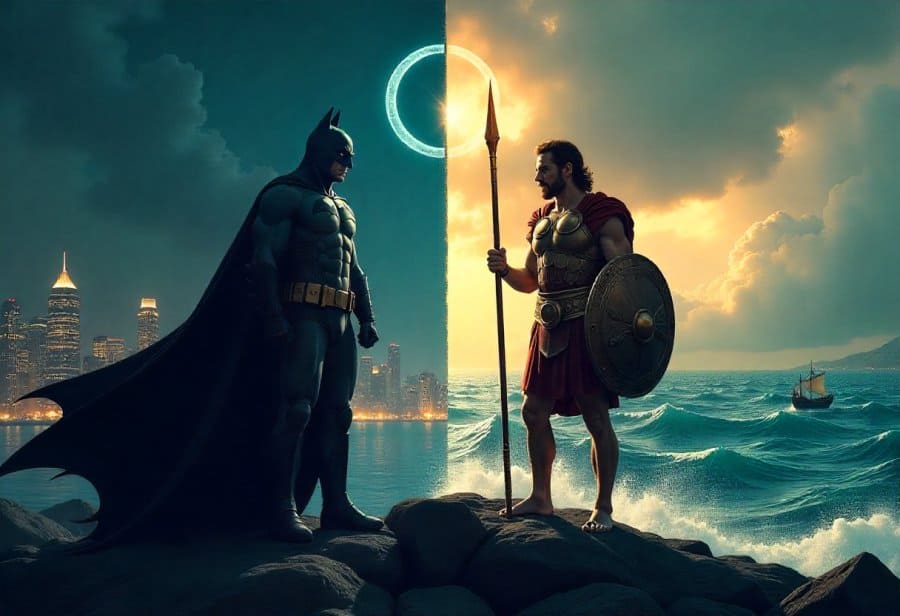
Evolving Legends: Reflections on Heroism’s Role in Society
Hero stories do more than entertain—they serve as reflections of who we are and what we value. Comparing Odysseus and Batman reveals how different eras emphasize distinct virtues: wisdom and endurance from ancient Greece, moral resilience and justice in modern times. These characters embody the qualities societies admire most, shaping collective identity and guiding personal virtues. Their stories help us understand how heroism evolves in response to cultural hopes and fears, highlighting its dynamic nature rather than a fixed ideal.
Throughout history, hero tales have played a vital role in defining shared values and inspiring individual virtues. Odysseus’s cleverness and loyalty echo Greek ideals of wisdom and resilience—traits rooted in mental strength and moral virtue. Conversely, Batman’s pursuit of justice amidst moral ambiguity reflects contemporary concerns about chaos, morality, and personal responsibility. Both archetypes reveal how societal priorities influence the virtues we celebrate and the challenges we consider worth fighting for, shaping our collective understanding of heroism.
Heroism is not about perfection but about striving to embody virtues like resilience, morality, and ambition in the face of adversity. Neither Odysseus nor Batman is flawless; their stories show that perseverance and moral resolve are cultivated through effort and determination. These qualities are timeless, relevant in everyday life as much as in myth or comic books. They remind us that heroism begins with small acts of courage, kindness, and integrity—actions that shape character and ripple outward to inspire others.
Thinking of heroism as a flexible, evolving concept encourages us to reflect on our own virtues. Challenges and setbacks are part of the journey, and resilience coupled with moral clarity can turn obstacles into opportunities for growth. Their examples motivate us to develop these qualities consciously—whether through supporting others, standing up for what’s right, or persevering through personal trials. In doing so, we participate in the ongoing creation of our own heroic stories.
These stories teach us that heroism manifests in many forms, from everyday acts of kindness to extraordinary acts of courage. Recognizing this broadens our understanding of heroism beyond the sensational, emphasizing that everyone has the potential to make a positive impact. Our collective progress depends on embracing virtues like resilience and integrity in our daily lives, contributing to a more compassionate and resilient society.
By studying Odysseus and Batman, we see how virtues like resilience, morality, and ambition are vital tools for navigating today’s complex world. Their stories inspire ongoing reflection on what virtues matter most and how we can embody them. As we face new challenges, these timeless lessons remind us that heroism begins with our choices and actions—small or large—that shape a better future for ourselves and those around us. Heroism is a living, breathing force, rooted in human ambition and the enduring desire to improve the world.