Probiotics are often hailed as champions of gut health, supporting digestion, immunity, and overall vitality. But are they truly essential for everyone, or merely a temporary fix during times of vulnerability? This guide delves into the nuanced reality: while specific strains can restore balance after illness or stress, their benefits are highly individualized and often mild for those with a healthy microbiome. Should you rely on supplements or embrace fermented foods like yogurt and kimchi? The market floods with options, yet quality varies and claims can be misleading. Understanding when to incorporate probiotics—such as post-antibiotics or during stressful periods—can maximize their impact without unnecessary reliance. Ultimately, maintaining a resilient gut hinges on lifestyle—healthy eating, sleep, and stress management—more than supplements alone. Can probiotics be a powerful ally in your health toolkit, or are they overhyped? Your approach to gut health might just need a smarter, more strategic perspective.

Unlocking Gut Health: The Power of Probiotics
Probiotics are live microorganisms—often called “good bacteria”—that support your digestive health when you consume enough of them. These tiny microbes naturally reside in our bodies, especially within the gut, where they help maintain a balanced and healthy microbiome. You can find them in certain foods like yogurt, kefir, sauerkraut, and kimchi, as well as in dietary supplements. The goal is to introduce beneficial microbes that can support and restore your gut’s microbial community, which is essential for proper digestion and overall health.
A balanced gut microbiome is more than just about breaking down food. When your gut bacteria are diverse and stable, they improve nutrient absorption, help prevent infections, and even influence immune and mental health. An imbalance—called dysbiosis—can lead to bloating, irregularity, and a weaker immune response. Supporting your microbiome with probiotics can help restore this balance, especially after disruptions caused by illness, antibiotics, or stress.
Probiotics work by competing with harmful bacteria, crowding out pathogens, and creating a healthier environment in your gut. While your body naturally hosts many of these microbes, factors like poor diet, stress, illness, or medications can reduce their numbers. Introducing more good bacteria through food or supplements can replenish what’s been lost and boost your digestive resilience. Since most probiotic foods undergo fermentation processes that produce beneficial microbes, eating these regularly can be a natural way to support gut health.
It’s important to remember that probiotics are just one piece of the puzzle. A healthy gut depends on various factors, including a balanced diet, regular exercise, and good sleep. Supporting your microbiome through lifestyle choices often suffices, with probiotics serving as an additional tool during times of vulnerability—such as after illness or during stressful periods. Understanding what probiotics are and how they support your digestive well-being helps you make smarter choices about incorporating them into your routine, whether via food or supplements.
In short, probiotics can be a helpful addition to your health routine, but they aren’t a cure-all. Their benefits depend on the specific strains used and your individual situation. For many, consuming probiotic-rich foods or taking short-term supplements during periods of stress, illness, or after antibiotics provides enough support to maintain a healthy microbiome. Maintaining a diet high in fiber and fermented foods often supplies all the probiotic benefits most people need, making extra supplements unnecessary for many.
Probiotics Revealed: Benefits and Boundaries
Probiotics can offer tangible benefits, particularly when it comes to maintaining a healthy balance of bacteria in your gut. Different strains of beneficial microbes are tailored to support specific issues, such as reducing bloating, improving regularity, or bolstering immune defenses. However, these benefits are highly strain-specific; what helps one person might do little for another. Choosing the right probiotic depends on your individual needs, making it a personalized puzzle rather than a one-size-fits-all solution.
While many people turn to probiotics for relief, they aren’t a cure-all. Their effects tend to be mild or temporary, especially if your gut is already balanced. For those with a healthy microbiome, adding probiotics may not produce noticeable changes. Overusing them can sometimes cause side effects like gas, bloating, or mild digestive discomfort. That’s why selecting reputable brands with well-documented strains and proper storage is crucial—poor-quality products may not survive transit or deliver the promised benefits.
Probiotics shine brightest when your gut has been disrupted—after taking antibiotics, during stressful periods, or following dietary shifts. In these cases, supplements can help replenish beneficial bacteria more quickly and support recovery. They’re also useful during travel or times of illness when your microbiome might be more vulnerable. However, for most healthy individuals, a diet rich in fiber and fermented foods often provides enough probiotic support without the need for supplements.
The science surrounding probiotics continues to evolve. Not all strains have been extensively studied, and research results can be inconsistent. Many products on the market make broad claims that aren’t always backed by solid evidence. This underscores the importance of doing your homework and choosing products with well-researched strains. High-quality probiotics stored properly increase the likelihood of surviving stomach acid and reaching your gut alive, maximizing potential benefits.
It’s essential to recognize that probiotics are best used as targeted support rather than daily necessities for everyone. They work most effectively during specific periods—after illness, during stress, or when diet or medication has disrupted your microbiome. For generally healthy people, maintaining a balanced diet and lifestyle often keeps their gut microbiome in good shape without supplementation. When used thoughtfully, probiotics can be a helpful addition to your health toolkit.
Remember, the key to probiotic success lies in understanding your individual needs and managing expectations. They’re most beneficial when tailored to support specific concerns and used during times of vulnerability. Overuse or reliance on low-quality products can lead to discomfort and limited results. Combining probiotic use with good habits—like eating well, managing stress, and getting enough sleep—ensures your gut remains resilient and healthy over the long term.
In the end, probiotics are a valuable tool, but not a magic fix. Their true power comes from strategic use: targeted, quality-supported, and integrated into a broader approach to health. Being mindful of their limitations and focusing on overall lifestyle habits will help you get the most out of these tiny microbes. When used correctly, probiotics can support a resilient, balanced gut, contributing to your overall well-being without unnecessary fuss.
Navigating the Probiotic Market: Trends and Insights
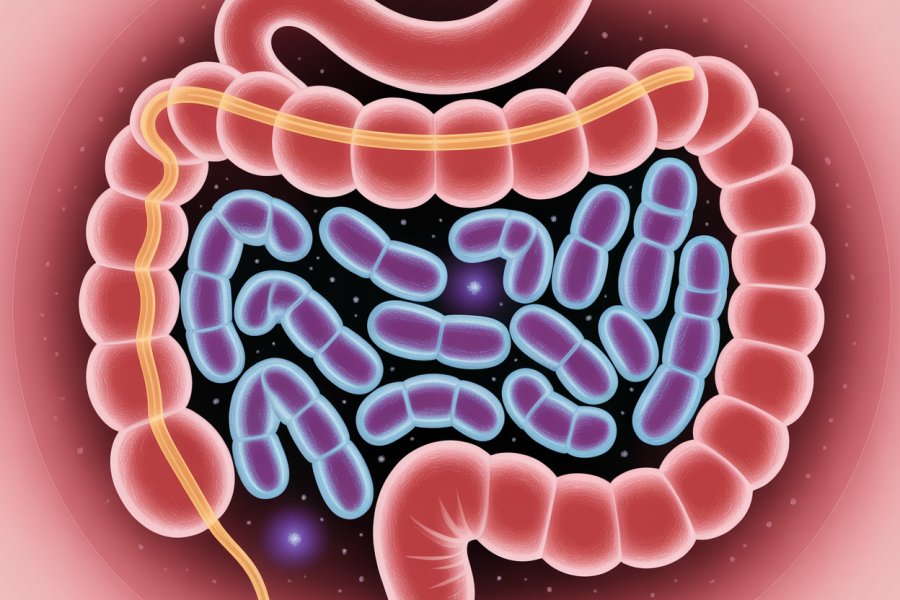
Today, probiotics have become a fixture on grocery store shelves, health shops, and online markets. Their popularity stems from a growing understanding that gut health isn’t just about digestion—it’s linked to immunity, mood, and overall vitality. This expanded awareness has led to a flood of products claiming to support various aspects of well-being, from daily supplements to targeted formulas for specific issues like stress or skin health.
Consumer interest is mainly driven by scientific research emphasizing the importance of a diverse and resilient microbiome. Many people turn to probiotics to improve digestion, reduce bloating, or boost immunity, often guided by marketing claims or personal testimonials. The sheer variety of available options—capsules, powders, drinks—can be overwhelming, making it challenging to determine what’s effective. Some products are backed by studies, while others rely on bold promises that lack solid evidence, adding to the confusion.
Advances in microbiome research continue to shape the market. New strains are being identified for their potential beyond digestion, including benefits for mental health, skin, and metabolic health. This pushes brands toward more targeted formulations, featuring carefully selected strains designed for specific needs. However, the lack of strict regulation means quality varies widely, and not all products deliver what they promise. Consumers need to dig into labels and choose reputable brands to ensure they’re getting viable, effective probiotics.
Behavioral trends show a mix of curiosity and caution. While many are eager to experiment, others prefer natural sources, favoring fermented foods like yogurt, kefir, sauerkraut, and kimchi over supplements. This shift highlights that supporting gut health can be as simple as incorporating these foods into daily meals. People are increasingly aware that probiotics aren’t just pills—they’re part of a broader lifestyle that emphasizes diet, stress management, and sleep.
Looking ahead, personalized approaches are gaining traction. Advances in microbiome testing are opening doors to tailor-made probiotic regimens that suit individual microbiota profiles. This move toward specificity promises more effective results and less wasted effort. For now, understanding the current landscape helps consumers navigate the options wisely—balancing scientific insights with personal preferences and avoiding hype.
In this crowded space, education remains key. Recognizing that probiotics are most beneficial during specific periods—after illness, during stress, or when diet shifts occur—can help people use them more strategically. For healthy individuals, a balanced diet rich in fermented foods often provides sufficient support, reducing the need for constant supplementation.
Ultimately, the probiotic market reflects a broader shift toward holistic health. While new strains and products emerge regularly, the best strategy is to focus on quality, targeted use, and overall lifestyle habits. Staying informed and realistic about what probiotics can achieve ensures they remain a helpful tool—not a miracle cure—in maintaining your gut health.
Smart Strategies for Effective Probiotic Use
To get the most benefit from probiotics, start by clearly defining what you want to support—whether it’s digestion, immune health, or recovery after illness. Knowing your specific goal makes it easier to choose the right product. Look for reputable brands that specify the strains they contain and include a meaningful CFU count, which indicates the number of live microbes. Remember, more isn’t always better; some strains need to survive stomach acid to be effective, so the quality and resilience of the probiotic matter just as much as the quantity.
Incorporating fermented foods into your daily diet is a simple, natural way to boost your gut bacteria. Yogurt, kefir, sauerkraut, and kimchi are rich sources that can be easily added to meals. Regular consumption—maybe a few times a week—helps maintain diversity in your microbiome without relying solely on supplements. Plus, these foods bring flavor and variety into your diet, making gut health an enjoyable part of your routine.
Timing your probiotic intake can influence how well the microbes survive and reach your gut. Taking supplements with meals or shortly after eating helps protect the bacteria from stomach acid. Consistency is key—establishing a daily habit, such as taking them with breakfast or dinner, can help your body adapt and maximize benefits. During stressful periods, travel, or after antibiotics, short courses of probiotics can be particularly helpful, providing targeted support when your microbiome needs it most.
Choosing high-quality products makes a big difference. Opt for brands that use well-studied strains and store their probiotics properly—many need refrigeration to keep microbes alive. Always check the expiration date and follow storage instructions carefully. Avoid products with vague ingredient lists or exaggerated claims. Prioritizing reputable brands with transparent information increases the chances that the microbes will survive transit and be effective in your gut.
Your overall diet plays a central role in supporting your microbiome. Consuming a variety of fiber-rich fruits, vegetables, and whole grains feeds your existing bacteria and promotes diversity. If your diet already includes these elements regularly, you might not need additional supplements. Think of probiotics as a supplementary tool—most of your gut health depends on balanced eating and healthy habits. When combined, these approaches create a more resilient and balanced microbiome.
Monitoring how you feel after starting probiotics can help you determine their impact. Keep track of any changes in digestion, energy, or comfort over a few weeks. If you notice positive results, that’s a good sign. If not, consider adjusting the type, dose, or timing of your probiotics. Consulting a healthcare professional can provide personalized guidance and help you avoid unnecessary discomfort or ineffective choices.
Finally, remember that probiotics work best as part of a broader, healthy lifestyle. Managing stress, exercising regularly, and getting enough sleep all contribute to a strong, balanced gut. When used thoughtfully during vulnerable times, such as after illness or dietary changes, probiotics can support recovery without replacing the fundamentals of good health habits. Combining targeted probiotic use with a balanced lifestyle ensures your gut remains resilient and supports your overall well-being.

Wrapping Up: Key Takeaways for a Resilient Gut
Probiotics can be a valuable addition to your gut health routine, but they’re not a one-size-fits-all solution. Their true benefits hinge on choosing the right strains for your specific needs and understanding when they’re most effective. For many, incorporating probiotic-rich foods or short-term supplements during times of stress, illness, or after antibiotics provides enough support to keep the microbiome balanced. If your gut is healthy and diverse, a diet high in fiber and fermented foods often supplies all the probiotic benefits your body needs, making extra supplements unnecessary.
The strength of probiotics lies in their ability to help restore and maintain microbial diversity, especially after disruptions. They work best when targeted—such as replenishing beneficial bacteria after antibiotics or easing digestive discomfort during stressful periods. However, their effects tend to be mild or temporary for those with a balanced microbiome, and overuse can cause bloating or gas. Picking high-quality, well-documented products maximizes their potential, but it’s crucial to manage expectations and recognize their limitations.
Supporting your gut health goes beyond supplements. Lifestyle factors like good sleep, stress management, regular exercise, and a nutrient-rich diet play a central role in maintaining a resilient microbiome. Fermented foods naturally supply beneficial microbes and help feed your existing bacteria, often providing enough support for most people. When probiotics are used thoughtfully during specific vulnerable times, they serve as a helpful tool rather than a daily necessity.
As microbiome science advances, more personalized approaches are emerging—tailored probiotic regimens based on individual profiles promise better results. For now, understanding when and how to use probiotics effectively helps prevent unnecessary reliance on supplements and encourages smarter choices. Taking a balanced, holistic approach ensures your gut remains strong and adaptable over the long term.
In summary, probiotics are not a magic fix but a supportive tool that works best when used strategically. Their benefits depend on the strains chosen, timing, and integration with overall healthy habits. Maintaining good diet, sleep, and stress management forms the foundation of a resilient gut, with probiotics serving as an optional boost when needed. When approached wisely, they can help uphold your digestive health, supporting your overall well-being without overpromising or unnecessary fuss.