Imagine transforming urban landscapes into safer, greener environments—could permeable pavers hold the key? These innovative surfaces allow rainwater to seep naturally into the soil, drastically reducing flood risks and easing the strain on stormwater systems. But how sustainable are they truly? As cities grapple with increasing heavy rains and urban sprawl, permeable paving offers a promising solution that not only prevents water pooling but also recharges groundwater and filters pollutants. From early gravel paths to high-tech, eco-friendly systems, their evolution reflects ongoing innovation driven by climate challenges and environmental concerns. Today’s advanced permeable materials—crafted from recycled resources and featuring embedded sensors—promise even greater resilience and maintenance ease. Could widespread adoption redefine urban planning, turning stormwater management into a resource rather than a hazard? The future of smarter, sustainable cities depends on embracing these surfaces—are you ready to step into that future?
Quick Navigation
Transforming Urban Landscapes: How Permeable Pavers Combat Flooding
Permeable pavers are transforming urban landscapes by providing a smart, eco-friendly solution to flooding problems. Unlike traditional surfaces such as concrete or asphalt, these paving systems are designed to let rainwater pass through their porous materials and seep naturally into the soil beneath. This process helps manage stormwater more effectively, reducing the likelihood of water pooling on streets and sidewalks during heavy rains.
By allowing rainwater to infiltrate the ground, permeable pavers significantly ease the pressure on overwhelmed stormwater systems. This natural absorption process prevents streets from flooding, which is a common issue in many densely developed areas. It’s a simple yet powerful way to keep urban environments safer and more resilient during intense storms.
In addition to flood prevention, these surfaces support healthier urban water cycles. Rainwater that seeps into the soil recharges groundwater supplies and filters out pollutants along the way. This natural filtration improves water quality, benefiting local ecosystems and reducing the burden on municipal water treatment facilities.
The adoption of permeable pavers is especially crucial as urban sprawl continues to expand. As cities develop more impervious surfaces, the risk of flooding and water management challenges grows. Installing permeable paving solutions helps mitigate these risks, making cities more adaptable to climate change and unpredictable weather patterns.
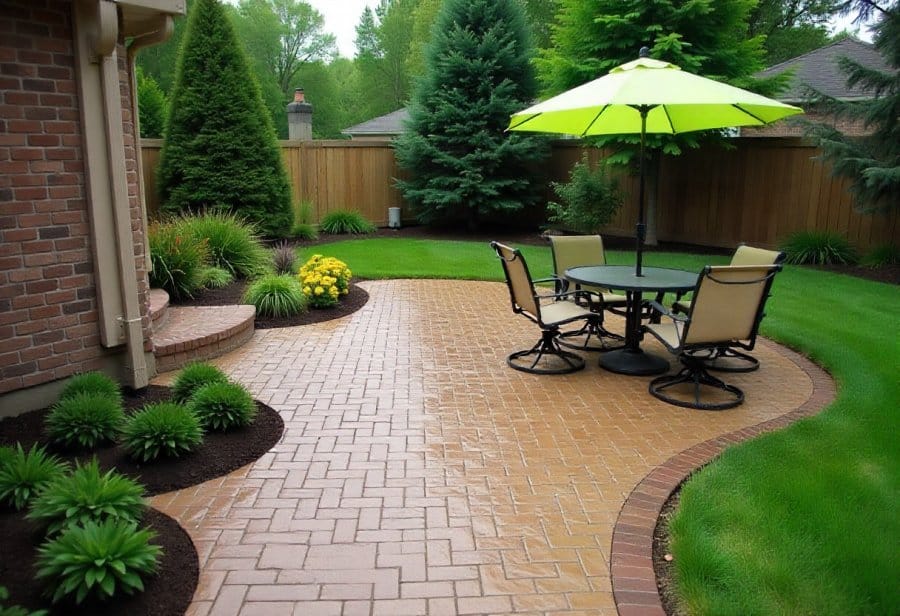
Furthermore, permeable pavers contribute to the aesthetic appeal of neighborhoods. They can be integrated into driveways, streets, and public spaces, creating attractive, green-friendly environments. This blend of functionality and design supports community resilience and encourages sustainable development.
Overall, permeable pavers are a practical, effective way to reduce flooding risks while also promoting sustainability. Their ability to let rainwater naturally seep into the soil makes them an essential tool for modern urban planning. As more cities recognize their benefits, permeable paving will become a standard feature in creating safer, greener, and more resilient urban spaces.
From Gravel to Green: The Evolution of Permeable Paving Solutions
The story of permeable paving solutions begins with simple, natural materials like gravel and permeable stones. These early surfaces allowed water to pass through easily, demonstrating the basic principle of water infiltration. Mainly used for small-scale projects such as garden paths or parking areas, they showed how natural permeability could manage water runoff, setting the stage for more advanced systems.
As urban areas grew, engineers and planners sought ways to combine permeability with durability. This led to the development of modular paving systems made from concrete and other sturdy materials. These innovations aimed to withstand heavier loads while still allowing rainwater to seep into the ground, making permeable paving a practical choice for streets, parking lots, and sidewalks.
Throughout the 20th century, perceptions about permeable surfaces varied. Some doubted whether these materials could cope with constant traffic or extreme weather. However, ongoing research and technological improvements gradually proved their reliability, addressing early concerns about longevity and performance. This progress helped permeable paving transition from experimental to mainstream urban infrastructure.
The rising awareness of environmental issues further propelled the adoption of permeable paving solutions. As concerns about water pollution and urban flooding grew, the focus shifted toward sustainable water management. Innovations like permeable concrete and porous asphalt emerged, offering more resilient and easier-to-install options. Policy incentives and stricter water regulations also pushed permeable paving into wider use, especially in flood-prone regions.
Technological advances played a key role in this evolution. The introduction of recycled materials and sophisticated filtration layers improved performance and sustainability. Modular systems became more user-friendly, enabling quick installation and straightforward maintenance. These developments made permeable paving not only effective but also cost-efficient over time, encouraging cities worldwide to adopt these systems more broadly.
Today, permeable paving continues to evolve with ongoing innovations. Researchers are exploring new materials that extend lifespan and reduce costs, while embedded sensors promise real-time monitoring of water flow and clogging. These advancements ensure permeable surfaces remain a vital part of urban resilience strategies, helping cities adapt to climate change and increasing storm intensity.
The journey from simple gravel paths to sophisticated, eco-friendly systems reflects a clear trajectory. Permeable paving solutions have grown from basic ideas into essential tools for sustainable urban water management. Their development highlights a commitment to creating resilient, environmentally friendly cities capable of handling the challenges of tomorrow.
Innovations on the Rise: Modern Technologies Driving Permeable Paving Forward
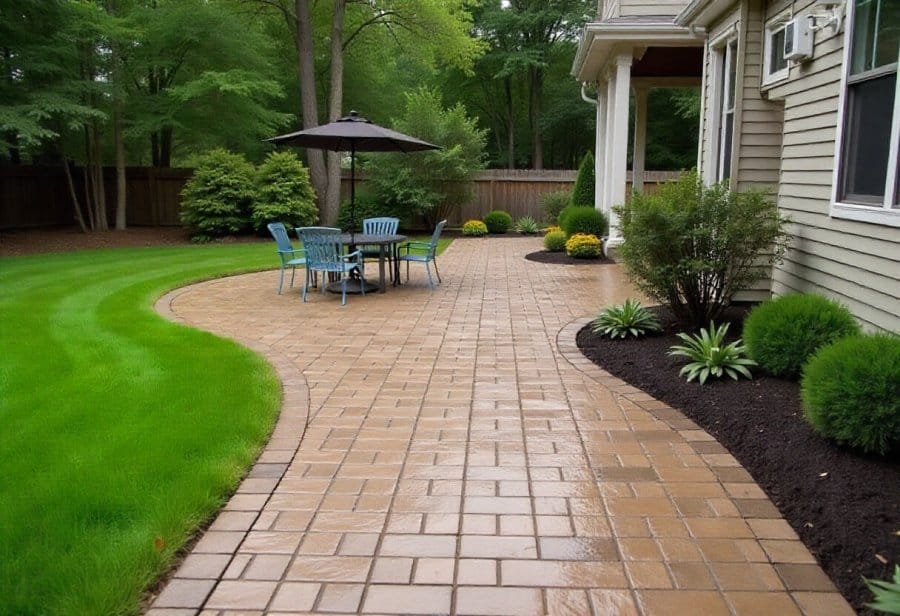
Today’s permeable paving technologies are more advanced and widely adopted than ever before, driven by continuous innovations in materials and design. Modern options include permeable concrete, porous asphalt, and modular paver systems made from recycled or eco-friendly materials. These surfaces are durable enough for urban streets and parking lots, yet versatile enough to be integrated into various settings, from busy city centers to green public spaces. Installation methods have improved significantly, often utilizing prefabricated units that can be laid quickly, reducing construction time and minimizing disruption.
Advances in materials science have resulted in permeable surfaces that resist clogging and require less maintenance. Permeable concrete now features enhanced base layers and integrated filtration systems that keep water flowing freely. Modular paver systems made from recycled plastics or natural aggregates are gaining popularity due to their eco-friendly profile and ease of repair or replacement. These innovations not only improve performance but also make permeable paving a reliable, long-term solution for stormwater management and urban resilience.
Regionally, these solutions are tailored to local needs. European cities often prioritize aesthetic integration with historical architecture and green spaces, while American urban areas focus on durability and flood mitigation. In Asia, especially Japan and Singapore, permeable pavements incorporate advanced water filtration features to combat urban water pollution. Developing nations emphasize low-cost, easy-to-maintain options that can be quickly implemented without extensive infrastructure, helping to address water management challenges efficiently.
Despite significant progress, some challenges persist. Concerns about long-term durability under heavy traffic or extreme weather remain, and clogging due to sediment or debris can reduce efficiency if not properly maintained. Cold climates pose additional hurdles, as freeze-thaw cycles can damage permeable materials. However, ongoing research and engineering solutions continue to address these issues, making permeable paving increasingly feasible across diverse environments and climate zones.
Supportive policies and incentives further promote adoption. Many jurisdictions now include permeable surfaces in building codes and sustainability standards, encouraging developers to incorporate green infrastructure. Grants, tax incentives, and regulatory mandates help offset costs and shift perceptions, establishing permeable paving as a standard component of modern urban design. Continued innovation and policy support will ensure these systems remain central to sustainable, flood-resistant cities, helping communities adapt to the demands of climate change and urban growth.
As cities continue to develop sustainable infrastructure, the role of permeable paving in groundwater recharge becomes increasingly important. These surfaces not only help manage stormwater runoff but also facilitate natural water filtration processes, replenishing underground aquifers. When designed effectively, permeable pavers promote groundwater recharge and water filtration, contributing to healthier urban ecosystems. For more insights into how permeable pavers support groundwater recharge, you can learn more at Permeable pavers promote groundwater recharge and water filtration.
Real-World Benefits: How Permeable Pavers Enhance Communities and Ecosystems
Permeable pavers deliver tangible benefits that extend well beyond their environmental advantages. By allowing rainwater to naturally seep into the soil, these surfaces dramatically reduce surface runoff during heavy storms, helping streets stay clear and preventing flooding. This not only protects property and infrastructure but also ensures safer, more reliable transportation during adverse weather conditions. Residents and business owners benefit from fewer disruptions, lower repair costs, and a greater sense of community safety, especially as climate patterns become increasingly unpredictable.
Beyond flood mitigation, permeable pavers support healthier urban water cycles. When rainwater infiltrates the ground, it recharges local groundwater supplies and naturally filters pollutants such as sediments, oils, and metals. This process results in cleaner runoff entering waterways and aquifers, reducing the strain on municipal water treatment plants. As a result, communities enjoy improved water quality and healthier ecosystems, all while easing the burden on infrastructure designed to handle traditional stormwater flows.
Aesthetics play a vital role in the appeal and acceptance of permeable paving. These surfaces can be integrated seamlessly into driveways, streets, and public spaces, creating attractive environments that blend functionality with visual appeal. Green streets and eco-friendly public areas foster community pride and encourage outdoor activity, transforming ordinary infrastructure into vibrant, inviting spaces. This aesthetic versatility not only enhances neighborhood character but also promotes active, engaged communities committed to sustainable development.
Economically, permeable pavers offer long-term savings. They reduce the need for extensive stormwater infrastructure maintenance and upgrades, lowering municipal expenses. By preventing flood damages and minimizing emergency response costs, these surfaces contribute to more resilient budgets. Many jurisdictions now support their adoption through incentives like grants and tax credits, making green infrastructure solutions more accessible. Over time, these investments translate into stronger property values and more sustainable urban growth.
Integrating permeable paving into urban planning creates a ripple effect of community resilience and environmental stewardship. These surfaces help cities adapt to the increasing challenges of climate change while fostering safer, greener neighborhoods. Their ability to turn stormwater from a hazard into a resource makes them a practical and impactful choice for modern urban design. As more communities embrace this technology, they lay the foundation for smarter, more sustainable cities where infrastructure and nature work hand in hand to improve everyday life.
Transform Your Toronto Property with Expert Landscape Design
Discover the exceptional services offered by Toronto Landscape & Design, your premier choice for creating stunning outdoor spaces in Toronto. Our award-winning designers take everything into consideration, from natural stone features and water gardens to irrigation systems and retaining walls, ensuring a customized and durable landscape. Whether you’re looking to reduce backyard flooding or craft a beautiful retreat, our team is dedicated to turning your vision into reality. Trust Toronto Landscape & Design to enhance your property’s beauty and functionality. Contact us at https://TorontoLandscapeDesign.com or call 1.416.644.0499 to start your landscape transformation today.
Shaping Smarter Cities: Future Trends and Innovations in Permeable Paving
Looking ahead, the future of permeable paving technology is bright, with ongoing innovations poised to enhance their effectiveness and ease of use. Researchers are exploring new materials that boost durability, reduce maintenance, and improve water filtration capabilities. Embedded sensors that monitor water flow and clogging in real time are on the horizon, allowing cities to respond proactively and keep surfaces functioning optimally during storms. These advancements will make permeable pavers even more reliable tools in urban water management, especially as climate change brings more unpredictable and intense weather events.
As urban flooding challenges grow more severe, the adoption of permeable paving solutions is expected to accelerate across regions. Governments and municipalities are increasingly recognizing their value, integrating them into building codes and sustainability standards. Incentives like grants, tax credits, and regulatory mandates will help push permeable paving from niche innovation to mainstream infrastructure. This shift will empower communities to implement smarter, greener solutions that withstand the test of climate-related pressures.
Technological progress will continue to drive costs down and extend the lifespan of permeable surfaces. Innovations in manufacturing—such as the use of more resilient, eco-friendly materials—will make these systems more durable and cost-effective over the long term. Modular designs that enable quick installation and straightforward maintenance will be especially important in dense urban areas, where minimizing disruption is a priority. Such improvements will make permeable paving accessible to a broader range of projects, from new developments to retrofits.
Design flexibility and aesthetic appeal will also expand as new surface treatments and materials become available. Cities will increasingly incorporate permeable surfaces that complement architectural styles and landscape designs, helping to overcome resistance based on appearance. This aesthetic integration will encourage wider acceptance and support for green infrastructure, making sustainable solutions more attractive to residents, developers, and policymakers alike.
Public policies and community awareness will continue to evolve, further accelerating adoption. Legislation mandating or incentivizing green infrastructure will push permeable paving into standard urban planning practices. Educational campaigns highlighting benefits like flood mitigation and water quality improvements will foster greater community support, encouraging residents to embrace these solutions as part of their daily environment.
Smart technology embedded in permeable surfaces promises to revolutionize water management. Sensors capable of tracking water flow, detecting clogging, and predicting maintenance needs will enable cities to optimize performance and extend surface lifespan. This data-driven approach ensures these systems remain effective during extreme weather, solidifying their role as a cornerstone of urban resilience.
Investing in permeable paving today sets the stage for cities better prepared to face environmental challenges. As innovation, policy, and community engagement align, these solutions will become vital components of sustainable urban development. Embracing permeable surfaces helps turn stormwater from a threat into a resource, creating safer, greener, and more resilient communities. The path forward is clear: advancing these eco-friendly systems will shape the cities of tomorrow into healthier, adaptive environments capable of thriving amid climate change.