The Chevrolet Corvette stands as a testament to American automotive passion, blending raw power with timeless design that continues to inspire generations. From its revolutionary fiberglass beginnings to the modern mid-engine C8, it has evolved while maintaining its core identity—an icon of speed, innovation, and resilience. With every iteration, the Corvette pushes boundaries, combining aggressive aesthetics with cutting-edge technology to stir deep driver emotion. But as Chevrolet embraces electric propulsion and advanced materials, questions emerge: Can these innovations preserve the visceral driving experience that defines the Corvette? Will future models uphold its legacy of independence, rebellion, and excellence? This balance between tradition and innovation fuels curiosity about the Corvette’s next chapter. With its storied history and global influence, the Corvette remains more than a car—it’s a symbol of American ambition, constantly reinventing itself while honoring a legendary past. Can it continue to captivate hearts and minds in a rapidly changing automotive landscape?
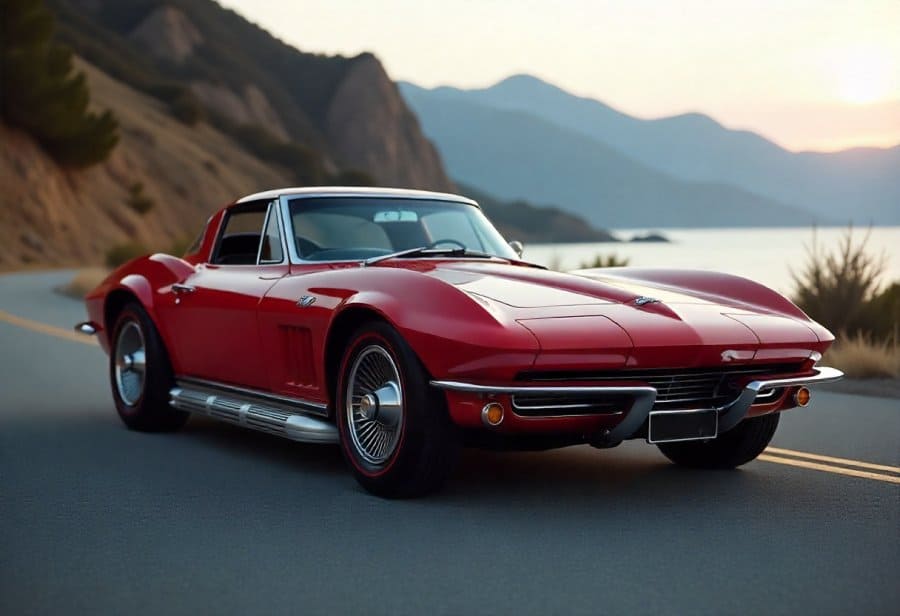
Unveiling the Legend: An Introduction to the Chevrolet Corvette
Few names in American automotive history spark passion quite like the Chevrolet Corvette. Since its debut in 1953, it has transcended being just a sports car to become a symbol of American ingenuity, speed, and style. Its sleek, flowing lines and powerful engines immediately convey performance and sophistication, captivating both enthusiasts and casual drivers alike. The Corvette stands out as a unique blend of elegance and muscle, embodying the free-spirited, ambitious ethos that defines American automotive culture.
From the very beginning, the Corvette was more than a new model; it was a bold statement of innovation. Its lightweight fiberglass body, revolutionary at the time, not only enhanced speed and handling but also set a new standard for automotive design. Introduced at the GM Motorama, the Corvette generated immediate buzz, signaling that American manufacturers could produce world-class sports cars. Despite initial skepticism about its practicality, early fans recognized its potential to deliver exhilarating performance wrapped in striking aesthetics.
Over the decades, the Corvette’s design has remained rooted in principles of aerodynamics, lightweight materials, and aggressive styling. Its long hood and short rear deck became signature features, visually suggesting speed even when stationary. As engineering advanced, materials like aluminum and carbon fiber replaced fiberglass, reducing weight and boosting performance. Each generation refined these elements, incorporating innovations like independent suspension and aerodynamic enhancements, ensuring the Corvette stayed at the forefront of American muscle cars.
Beyond its technical evolution, the Corvette has become a cultural icon. Its victories in racing events like Le Mans and NASCAR elevated its reputation for speed and reliability. High-performance variants, such as the ZR1, showcased Chevrolet’s commitment to pushing the limits of American sports car excellence. Today, the Corvette continues to inspire admiration worldwide, embodying the spirit of resilience, innovation, and the relentless drive for a better driving experience.
In essence, the Corvette is more than a vehicle—it’s a legacy of American passion for performance and design. It captures the imagination with its combination of raw power and refined aesthetics, serving as a testament to what American automotive engineering can achieve. Whether on the open road or the race track, the Corvette remains a symbol of freedom, ambition, and the pursuit of speed—an enduring icon that continues to fuel dreams across generations.
From Dream to Icon: The Evolution and Significance of the Corvette
The story of the Chevrolet Corvette begins in the early 1950s, a time when American automakers were eager to showcase their performance capabilities and challenge European sports cars. Introduced in 1953, the Corvette was born out of a desire to create a true American sports car that could make a mark on the global stage. Its debut at the GM Motorama auto show sparked immediate excitement, thanks in part to its innovative fiberglass body—a lightweight material that was unusual at the time and helped improve speed and handling. From the outset, the Corvette positioned itself as more than just a car; it was a bold statement of American ingenuity and a sign that U.S. manufacturers were willing to push technological limits.
Early reactions to the Corvette were mixed. Critics questioned its practicality and durability, but enthusiasts saw potential in its performance and striking design. The lightweight fiberglass construction, paired with a small-block V8 engine, offered a unique combination of speed and agility that set it apart from other cars on the road. These initial models laid the foundation for a legacy rooted in performance and innovative design, embodying the American passion for muscle and technological progress. The Corvette’s bold entry marked a new chapter in automotive history, signaling that American manufacturers could compete with, or even surpass, European sports cars.
Throughout the decades, the Corvette’s design has remained true to core principles—combining aerodynamics, lightweight materials, and aggressive styling. The long hood and short rear deck became signature features, emphasizing speed and presence. As engineering advanced, materials like aluminum and carbon fiber replaced early fiberglass, further reducing weight and enhancing performance. Each generation refined these elements, integrating innovations such as independent suspension and aerodynamic tweaks, ensuring the Corvette stayed ahead of the curve in both performance and style.
The evolution of the Corvette mirrors America’s relentless pursuit of automotive excellence. The C1 introduced fiberglass bodies and small-block engines; the C2 Stingray brought sharper lines and the iconic split rear window; the C3 featured larger engines and bolder aesthetics. Later, the C4 and C5 models introduced technological upgrades and refined aerodynamics, culminating in the C8’s mid-engine layout that redefined the car as a true supercar. These milestones highlight how Chevrolet balances tradition with innovation, maintaining the Corvette’s relevance as an enduring symbol of American engineering mastery.
Beyond its technical milestones, the Corvette established itself as a cultural icon through racing victories at Le Mans and NASCAR, boosting its reputation for speed and reliability. High-performance variants like the ZR1 pushed the limits of what American muscle cars could achieve, solidifying its place in motorsport history. This racing pedigree not only fueled performance improvements but also reinforced the Corvette’s image as a symbol of American resilience and technological prowess.
Today, the Corvette continues to embody a unique blend of performance and cultural significance. Its evolution reflects a story of constant innovation, driven by a desire to excite and inspire drivers worldwide. The model’s ability to adapt to changing technologies while honoring its roots has kept it relevant and revered, ensuring that each new generation builds on its storied legacy. From its humble beginnings to its current status as a global icon, the Corvette remains a testament to American automotive passion and ingenuity.
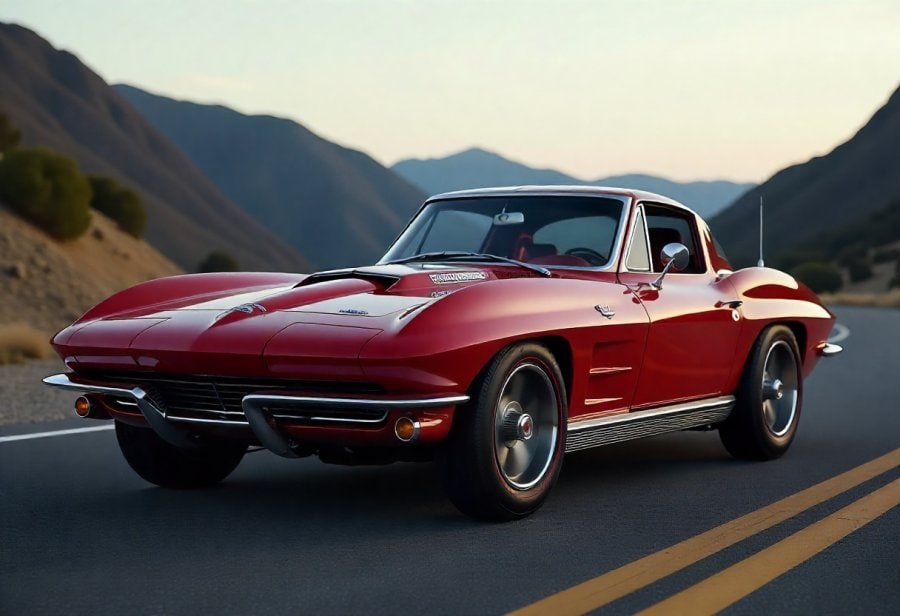
Design and Performance Excellence: The Art of Crafting an Emotional Driving Machine
The Corvette’s design mastery lies in its ability to blend instantly recognizable style with cutting-edge performance technology, creating an emotional connection that resonates deeply with drivers. Its sleek, flowing lines and aggressive stance evoke a sense of speed and purpose, making it clear even at a glance that this is a machine built for performance. Classic models like the Stingray’s distinctive curves and split rear window exemplify timeless design, while modern iterations incorporate aerodynamic refinements that enhance both looks and function. Every detail—from the sharp fenders to the low-slung profile—serves a purpose, ensuring the car looks fast even when standing still.
Beneath that striking exterior, the Corvette is packed with innovations aimed at elevating its performance. Active aerodynamics, such as adjustable front splitters and rear spoilers, help the car slice through the air with minimal drag and maximum downforce, boosting stability at high speeds. Lightweight materials like carbon fiber and aluminum strategically reduce weight, translating into quicker acceleration and more precise handling. The range of engines—from naturally aspirated V8s to supercharged variants—delivers thunderous power that fuels adrenaline and amplifies driver emotion, making every ride a visceral experience.
The harmony between form and function is central to the Corvette’s appeal. Its muscular grille openings and broad stance suggest strength and speed, while the cockpit’s driver-focused layout emphasizes engagement. Controls are intuitively placed for easy access, fostering a sense of connection that makes every drive feel personal. The sound of the engine—whether a deep growl or a high-pitched scream—becomes a primal cue, heightening the thrill of acceleration. This auditory feedback, combined with tactile responses from the steering and pedals, transforms driving into an immersive, emotional experience.
Each generation of the Corvette builds on its legacy, evolving its design language without losing sight of its roots. The early C1’s simple elegance set a standard, while the C3’s bold curves and split rear window pushed the muscle car aesthetic further. The C4 and C5 introduced sharper aerodynamics and technological upgrades, culminating in the C8’s mid-engine layout that redefines the car’s identity. These changes show how Chevrolet balances tradition with innovation, keeping the Corvette both iconic and forward-looking.
Performance-wise, the Corvette’s engineering is legendary. High-horsepower engines are paired with sophisticated suspension systems—like multi-link setups and adaptive damping—that respond precisely to driver inputs. Electronic stability controls and active suspension systems work seamlessly to ensure the car responds confidently on winding roads or the race track. The result is a vehicle that feels responsive, predictable, and exhilarating at every turn, fostering a deep emotional bond between driver and machine.
The sound of a Corvette’s engine elevates it beyond a mere vehicle—becoming a primal call to action. Its deep, resonant growl signals raw power, while high-RPM screams ignite the senses. This auditory signature enhances the visceral feeling of acceleration, reinforcing the car’s role as an emotional masterpiece. Pairing this with tactile feedback from the steering and pedals, Chevrolet crafts a driving experience that is not just about speed but about passion, thrill, and connection.
Constant innovation ensures that the Corvette remains at the forefront of automotive engineering. Active aerodynamics, lightweight composites, and performance electronics are continuously refined to evoke the same driver emotion that made earlier models legendary. Each new generation strives to balance technological progress with the car’s storied heritage, ensuring that the Corvette continues to inspire and excite drivers around the world.
Shaping the Future: The Corvette’s Contemporary Impact and Next-Generation Innovations
The perception of the Chevrolet Corvette today remains overwhelmingly positive among enthusiasts and industry insiders. It’s widely recognized as a benchmark for American sports car performance, seamlessly blending raw power with sophisticated engineering. The shift to a mid-engine layout with the C8 has sparked lively discussions—some purists feel it departs from the traditional muscle car identity, while others see it as a necessary evolution to keep the Corvette competitive and relevant. Regardless, the car continues to inspire admiration for its ability to deliver exhilarating driver emotion and maintain its status as a symbol of American automotive passion.
Looking ahead, the future of the Corvette appears both promising and dynamic. Chevrolet’s plans to introduce electric models have generated excitement, as they aim to marry legendary performance with sustainability. Preserving the visceral driving experience—the core of its appeal—will be a key challenge as electric powertrains become more prevalent. Innovations in lightweight materials, aerodynamics, and electric propulsion are expected to elevate driving sensations, ensuring the Corvette remains relevant and inspiring for new generations while staying true to its spirited legacy.
However, questions about its identity persist. Some enthusiasts worry that electrification might dilute the raw, unfiltered driver emotion that has long defined the Corvette, while others wonder if its aggressive styling and high-tech features might overshadow its traditional roots. Market positioning and pricing strategies will also influence how accessible and aspirational the Corvette remains as it transitions into more competitive segments. Navigating these nuances will be crucial for Chevrolet to sustain the Corvette’s iconic status without losing sight of what makes it special.
Media portrayals continue to reinforce the Corvette’s image as an icon of American automotive excellence. From Hollywood blockbusters to racing circuits, the car is portrayed as a symbol of freedom, rebellion, and innovation. Its appearances in films like “Transformers” and “Bad Boys” help cement its place in popular culture, appealing to both longtime fans and newcomers alike. As new models emerge, the storytelling around the Corvette will evolve—highlighting technological advancements while celebrating its rich heritage, keeping it relevant and desirable in a rapidly changing world.
Ultimately, the Corvette’s story is far from over. Each new chapter builds on decades of innovation, passion, and performance, reinforcing its role as a cornerstone of American automotive achievement. By embracing cutting-edge technologies without sacrificing its core identity, Chevrolet ensures the Corvette will continue to inspire drivers and fuel dreams for generations to come. Its ongoing evolution promises to uphold its legendary status, remaining a vibrant symbol of American resilience, ingenuity, and the relentless pursuit of speed.
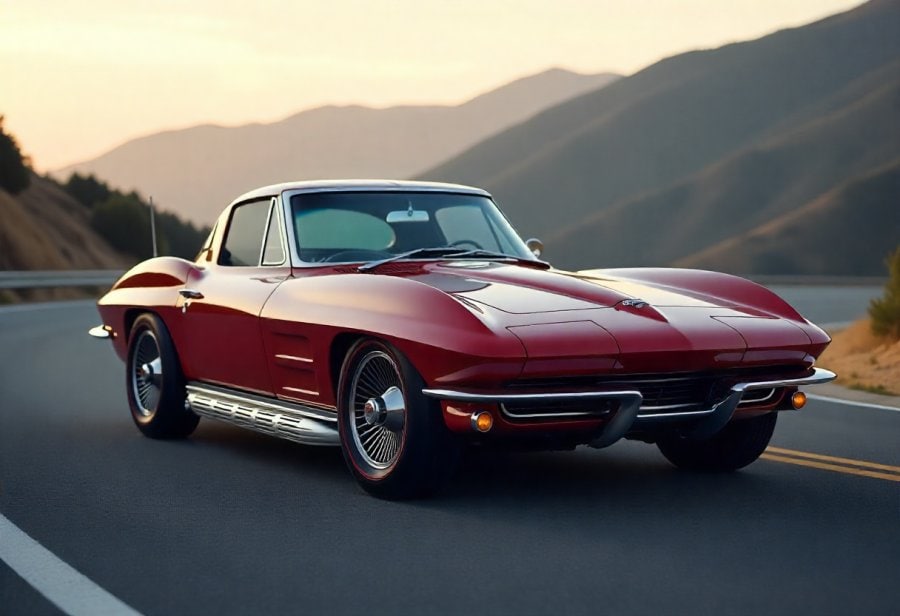
Legacy and Horizons: The Enduring Spirit and Future of the Chevrolet Corvette
The legacy of the Chevrolet Corvette stands as a powerful testament to American innovation, passion, and resilience. Over the decades, it has continuously evolved, blending tradition with cutting-edge technology to inspire driver emotion and national pride. Its ability to adapt while staying true to its roots has kept it relevant and revered, ensuring that each new generation builds on the foundation of excellence established long ago.
Looking ahead, the future of the Corvette remains promising, fueled by ongoing technological advancements and strategic innovation. Chevrolet’s plans for electric models excite many, promising to marry legendary performance with sustainability. Maintaining the visceral driving experience—the core of its appeal—will be a challenge as electric powertrains redefine what it means to drive a sports car. Nevertheless, innovations in lightweight materials, aerodynamics, and electric propulsion are poised to elevate performance and emotional impact, ensuring the Corvette continues to inspire new generations.
Questions about identity and purpose persist amid these changes. Some enthusiasts worry that electrification might dilute the raw, unfiltered driver emotion that has long defined the Corvette, while others are curious about how its aggressive styling and advanced tech will balance tradition with innovation. Pricing and market positioning will also shape its accessibility and prestige, especially as it enters more competitive segments. Navigating these dynamics carefully will be crucial to preserving the Corvette’s iconic status and ensuring it remains a symbol of American automotive excellence.
Media and pop culture reinforce the Corvette’s legendary image as a symbol of freedom, rebellion, and innovation. From blockbuster movies to racing victories, it continues to embody the spirit of American resilience. As new models emerge, the storytelling around the Corvette will evolve—highlighting technological progress without losing sight of its rich heritage. This balance will help maintain its relevance and desirability among enthusiasts and newcomers alike.
The story of the Corvette is far from finished. Each new chapter builds on decades of passion, engineering, and performance, reinforcing its role as a cornerstone of American automotive achievement. By embracing innovation while honoring its legacy, Chevrolet ensures the Corvette will remain a source of inspiration and aspiration for generations to come. Its ongoing evolution promises to uphold its legendary status, fueling dreams, and defining what it means to be an American sports car in a rapidly changing world.