In a world overwhelmed by digital noise, can tending a garden together unlock deeper emotional bonds and healing? ‘From Soil to Soul’ explores how shared outdoor activities—planting, watering, and nurturing life—offer more than just a hobby; they become powerful rituals of connection, patience, and trust. Rooted in historical traditions and modern science, gardening emerges as a universal act of healing that fosters empathy, reduces stress, and rebuilds social resilience. Through simple, mindful routines, couples, friends, and families can transform outdoor chores into meaningful experiences that deepen understanding and emotional well-being. The book guides readers through practical steps to start small, emphasizing patience and shared effort as keys to cultivating lasting bonds. As the garden blooms, so do the relationships nurtured within it, making gardening not just about plants, but about growing together—body, mind, and heart—in a way that counters the disconnect of our digital age.
Reconnect and Heal Through the Simple Act of Gardening Together
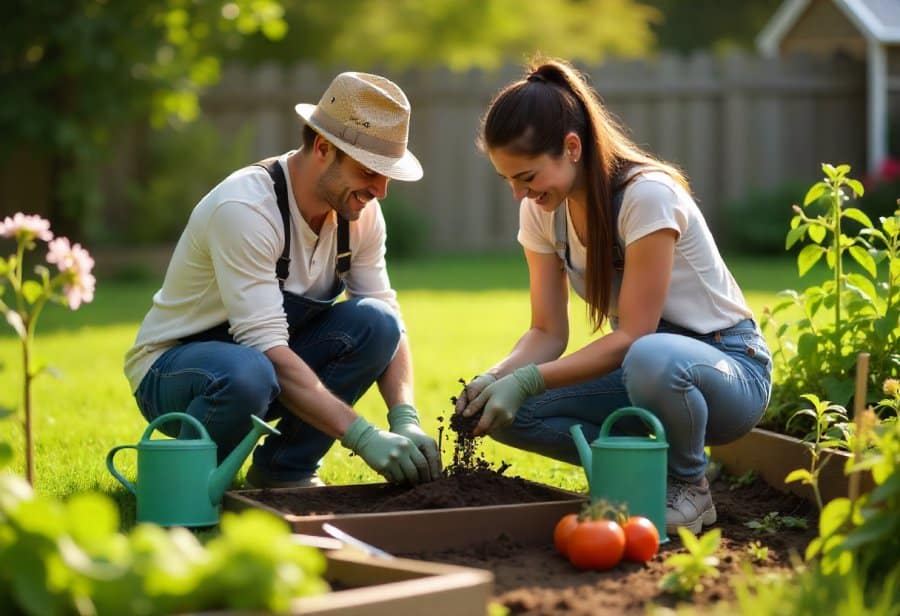
In our fast-paced, digital-driven world, meaningful connection can sometimes feel elusive. We spend hours scrolling through feeds, exchanging texts, or engaging in virtual conversations, yet these interactions often lack the warmth and depth of face-to-face contact. That’s where gardening together offers a refreshing change—a simple, grounded activity that encourages slowing down and being present. It’s an invitation to step outside, breathe fresh air, and reconnect with both nature and each other.
Sharing the task of tending to a garden creates a natural space for conversation to flow more freely. Whether you’re planting seeds, watering, or weeding side-by-side, there’s a relaxed rhythm that helps break down barriers and fosters genuine dialogue. These moments often spark meaningful exchanges, helping deepen understanding and trust without the pressure of structured conversation. Gardening becomes a shared effort rooted in patience, care, and a common goal—watching something grow.
Gardening isn’t just about cultivating plants; it’s about cultivating relationships. Working outdoors, touching soil, and feeling the sun’s warmth can reset your mind and reduce stress. When done together, these activities promote emotional resilience and trust, turning a simple hobby into a powerful bonding experience. Over time, tending to a garden helps nurture empathy and cooperation, creating a foundation for stronger, more resilient relationships.
In today’s digital age, many of us feel disconnected despite being constantly plugged in. Virtual interactions often lack the tactile warmth that comes with shared physical activity. Gardening offers a tangible antidote—an opportunity to ground ourselves in the present moment and forge genuine bonds through physical effort and shared purpose. These experiences remind us that some of the most profound connections happen when we get our hands dirty together, tending not just to plants but to our emotional well-being.
Getting started might seem intimidating, but it doesn’t have to be complicated. Even a small project, like a few pots of herbs or a patch of sunflowers, can be enough to begin. The key is to approach it with a relaxed attitude and focus on enjoying the process rather than perfection. Regular, mindful time spent together in this shared space can turn gardening into a meaningful ritual that strengthens bonds and encourages ongoing dialogue.
In essence, gardening together offers a gentle but powerful way to rebuild trust, foster emotional healing, and deepen connections. It reminds us that growth—whether personal, relational, or botanical—takes time and patience. As we tend to the soil and nurture life, we also nurture each other, creating a space where bonds can flourish naturally. In a world full of distractions, this simple act of growing side-by-side might just be the most meaningful step toward reconnecting.
Ancient Roots and Modern Science Reveal Gardening’s Power to Heal and Build Trust
The idea that gardening can be a healing activity isn’t new; it stretches back through centuries and across cultures. Ancient Egyptians, for instance, regarded gardens as sacred spaces for spiritual and emotional renewal, not just for beauty or sustenance. Similarly, traditional Chinese medicine emphasized the calming effects of tending to plants as part of holistic healing practices. Indigenous communities worldwide have long used communal gardening not only to cultivate food but also to strengthen social bonds and foster mental resilience. These historical traditions reveal that working with nature isn’t merely practical; it’s a deeply restorative act rooted in cultural and spiritual significance.
Modern science has built on this rich history, confirming what many cultures have long believed. Today, researchers recognize that green spaces and gardening activities influence our mental health profoundly. Engaging with nature stimulates the parasympathetic nervous system—the part responsible for relaxation—helping to lower stress and anxiety levels. When people nurture plants, they practice mindfulness and patience, which promote emotional well-being. This understanding has given rise to horticultural therapy, a formal approach that uses gardening as a tool to facilitate emotional healing and social connection. Studies consistently show that shared gardening experiences can boost mood, enhance self-esteem, and strengthen relationships.
The roots of communal gardening also extend into social history. Across different eras and societies, cultivating land together has been a way to rebuild trust and foster community resilience, especially during hard times. Ancient Egyptian communal gardens served as gathering spaces for spiritual and social exchange, while Asian traditions often linked tending to plants with restoring harmony within oneself and with others. Indigenous practices of land stewardship frequently intertwined spiritual connection with collective effort, reinforcing resilience through shared responsibility. These diverse practices underscore a universal truth: gardening is more than a physical activity—it’s a vital act of healing, trust-building, and community reinforcement.
In recent decades, formal programs like horticultural therapy have validated and expanded these historical insights. Urban community gardens and therapeutic initiatives demonstrate how shared outdoor spaces foster social bonds, rebuild confidence, and aid emotional recovery. These projects show that gardening isn’t just about growing plants; it’s about growing people—nurturing emotional resilience and fostering a sense of belonging. The enduring appeal of these practices lies in their ability to connect us deeply to nature and each other, providing a tangible foundation for healing that spans generations.
Looking at the long history and evolving science, it’s clear that the healing power of gardening is universal and timeless. From sacred gardens of ancient Egypt to contemporary therapeutic programs, tending to plants has consistently served as a source of renewal and connection. Recognizing this history helps us appreciate that gardening isn’t just a pastime—it’s a profound act of nurturing that can heal wounds, rebuild trust, and strengthen our emotional fabric. This understanding underscores the importance of embracing shared gardening as a meaningful pathway to emotional and relational resilience in today’s fast-paced, disconnected world.
Contemporary Insights Show How Gardening Fosters Emotional Bonds and Personal Growth
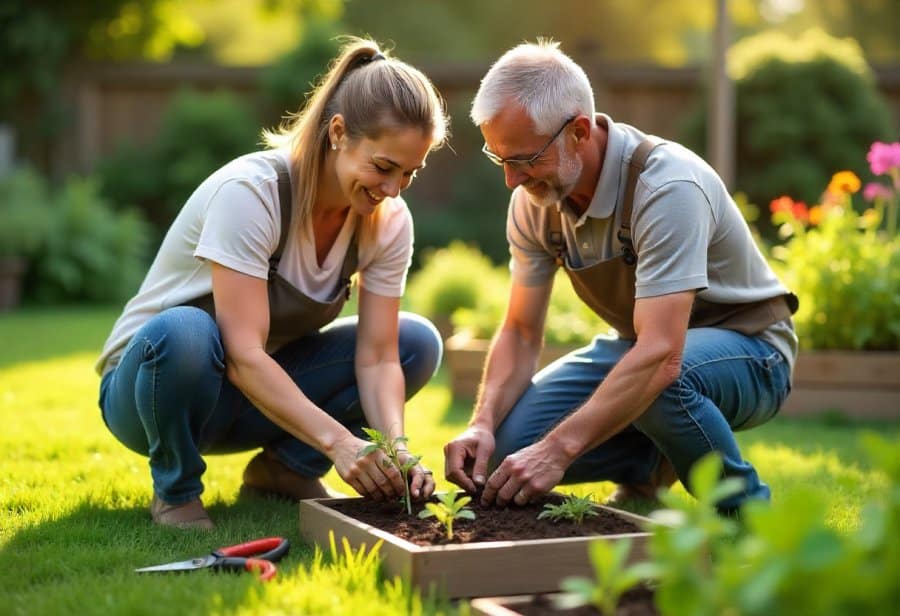
In today’s world, many experts see gardening as more than just a hobby—it’s a powerful tool for building emotional bonds and fostering healing. When people work together outdoors, the simple act of tending to a garden creates opportunities for trust, communication, and shared purpose that go beyond words. Tasks like planting, watering, or weeding naturally encourage conversations that might not happen during everyday routines, helping to break down barriers and deepen connections.
Stories from couples, friends, and families illustrate how gardening together sparks feelings of teamwork and closeness that grow over time. The physical act of nurturing life side-by-side fosters a sense of pride and accomplishment, which can help repair strained relationships or strengthen existing bonds. These shared successes turn gardening into a space for emotional vulnerabilities to surface and trust to flourish naturally.
Media plays a significant role in shaping perceptions of gardening’s healing potential. TV shows, social media, and articles often showcase stories of people finding peace and renewal through outdoor activities. They highlight how tending to plants can be calming and restorative, helping individuals reconnect with loved ones or find clarity amid chaos. These narratives inspire many to see gardening not just as leisure but as a meaningful way to boost emotional well-being.
Scientific research supports this view, showing that outdoor gardening reduces stress hormones and promotes relaxation. Engaging in shared gardening activities encourages patience, cooperation, and mindfulness—key ingredients for emotional healing. It also provides a natural platform for practicing empathy and mutual support, transforming physical effort into a shared journey of growth and trust.
Therapeutic programs increasingly incorporate gardening into their approach, recognizing its ability to facilitate emotional recovery. Community gardens and horticultural therapy initiatives demonstrate how working together outdoors fosters social bonds, enhances self-esteem, and helps individuals process feelings in a safe environment. These efforts prove that shared gardening isn’t just about plants—it’s about cultivating resilience and connection, making it a vital part of modern mental health strategies.
Overall, contemporary perspectives affirm that gardening’s healing power is both timeless and adaptable. Whether rooted in ancient traditions or modern science, the act of tending to a garden together creates a unique space for emotional growth. It offers a simple yet profound way to nurture trust, rebuild bonds, and find solace in nature’s rhythm. As more people embrace this practice, it becomes a vital tool for reconnecting in a disconnected world.
Start Small: Practical Steps to Cultivate Connection and Strengthen Relationships
Getting started with shared gardening doesn’t need to be complicated or intimidating. The key is to keep things simple and focus on creating a relaxed, enjoyable experience. Even a small project—like planting herbs in pots on a balcony or setting up a tiny vegetable patch—can serve as a meaningful first step. Choose something manageable that everyone can contribute to, so the activity feels fun rather than burdensome. Starting small helps build confidence and sets a positive tone for ongoing shared efforts.
Invite someone you want to connect with—whether it’s a partner, friend, or family member—to join you. Emphasize that the goal isn’t perfection but quality time spent together. Set aside regular moments—like weekend mornings or after dinner—to tend the garden. Turning gardening into a routine transforms it from a one-off activity into a meaningful ritual, encouraging ongoing conversation and connection. Keep the atmosphere light and flexible, celebrating small wins like planting the first seed or seeing a sprout emerge.
Use beginner-friendly guides, checklists, or local community programs to help navigate the process. These resources can offer inspiration, practical tips, and reassurance, especially if you’re new to gardening. Sharing responsibilities and checking in with each other about what needs doing fosters communication and teamwork. If setbacks or disagreements happen, approach them with patience and humor—remember, the focus is on nurturing your relationship, not just the plants.
Picture working side-by-side, planting vegetables or tending flower beds, with stories and jokes exchanged amid the rows. These moments of shared effort create a natural space for genuine interaction and trust to develop. As you watch your garden grow, so too will your bond, reinforced by the simple act of caring for something together. Over time, this shared activity becomes more than just a hobby—it becomes a foundation for deeper understanding and resilience.
Avoid taking on too much at once or setting unrealistic expectations. Focus on the experience and the connection, not just the end result. Patience and good communication are essential, especially when facing challenges. With a relaxed attitude and a willingness to learn, gardening can evolve into a rewarding way to strengthen bonds and foster emotional well-being. The process itself fosters a sense of partnership and mutual growth. For more on this topic, the Mayo Clinic highlights how gardening can support health, reduce stress, and connect us with nature. Click here to read the full article.
Ultimately, the goal is to make gardening a lasting part of your relationship. Regular time spent outdoors, tending to your plants, helps reinforce habits of patience, cooperation, and empathy. These routines build trust and stability, making your relationship more resilient to life’s inevitable stresses. Growing together through gardening isn’t about perfection; it’s about shared effort, presence, and the quiet joy of nurturing life side-by-side.
Nurture Growth and Resilience: Embrace Gardening as a Path to Lasting Bond and Well-Being
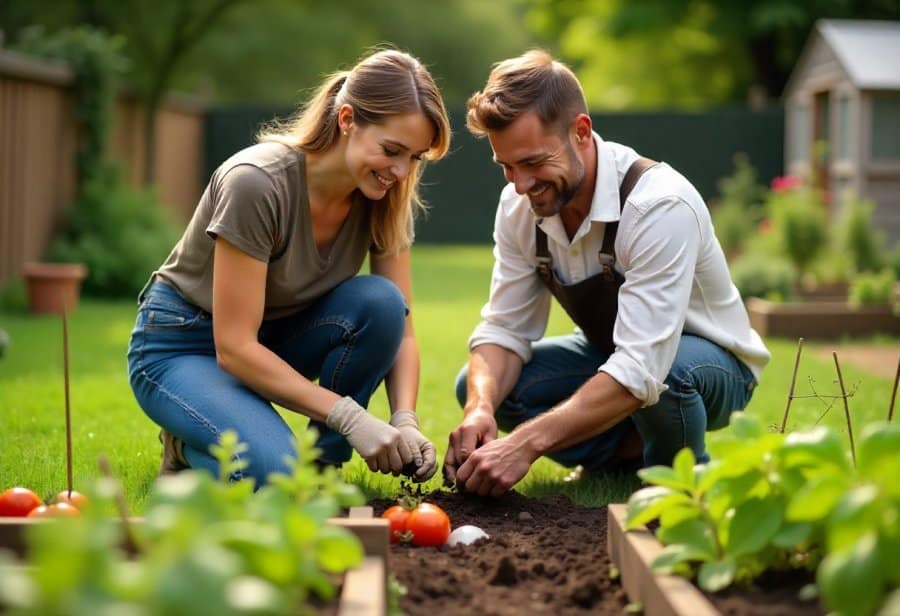
Maintaining a regular gardening routine can lay a strong foundation for emotional resilience and deeper relationship bonds. When shared efforts become a consistent part of life, they reinforce habits of patience, cooperation, and open communication. Over time, these routines foster trust and stability, helping relationships withstand life’s inevitable stresses. As the garden flourishes, so do the connections built through nurturing it—transforming a simple activity into a lasting practice of growth and mutual support.
Engaging in outdoor gardening regularly offers a peaceful space for reflection and emotional processing. Working side-by-side in nature creates a calm environment where distractions fade and genuine connection can flourish. The steady rhythm of caring for plants encourages mindfulness, patience, and empathy—key qualities that extend beyond the garden into everyday life. These shared moments of tending and nurturing deepen emotional resilience and serve as a quiet anchor during challenging times.
Looking ahead, integrating gardening into ongoing emotional health strategies holds promising potential. As awareness of its benefits spreads, more programs are likely to adopt garden-based activities to foster community, healing, and relationship growth. These initiatives can help bridge the digital disconnect that often isolates us, offering tangible opportunities for trust-building and belonging. Each shared effort in the garden plants seeds of healing that grow stronger with time, creating a cycle of care that benefits individuals and communities alike.
In a world dominated by rapid routines and digital noise, cultivating a garden together offers a meaningful counterbalance. It reminds us that growth—whether personal, relational, or botanical—takes patience and ongoing effort. The garden becomes a living symbol of resilience and hope, encouraging us to invest in our relationships with the same care we give to our plants. Embracing this continuous practice nurtures bonds, promotes healing, and fosters a deep appreciation for the simple act of growing side-by-side.
If you choose to keep nurturing your garden and your relationships, start small and let the process unfold naturally. Prioritize quality time outdoors with someone you care about, focusing on shared experiences rather than perfection. Celebrate each sprout and harvest as a sign of your joint effort and trust. Over time, these acts of patience and care will not only produce a thriving garden but also weave a stronger, more resilient connection capable of weathering any storm.
Growing together isn’t a one-time act; it’s an ongoing journey of mutual care and discovery. As your shared garden matures, so will your understanding and empathy for each other. These quiet moments of tending become a powerful thread woven into the fabric of your relationship, reinforcing that true growth requires patience, presence, and consistent effort. In nurturing your garden, you cultivate a hopeful future rooted in shared resilience and love.