Embark on your first camping adventure with confidence, as this guide reveals how a simple, open-minded mindset can transform outdoor fears into rewarding escapades. While initial steps—packing gear, setting up tents, and managing basic needs—may seem daunting, learning these skills fosters independence and resilience. The journey isn’t just about survival; it’s about discovering nature’s beauty through shared moments, from campfire stories to wildlife encounters. As you grow more comfortable, exploring new environments and mastering outdoor skills deepens your connection to nature and boosts your confidence. Curious about how to elevate your experience? This guide encourages trying new activities, embracing challenges, and sharing adventures with friends, opening the door to remote landscapes and advanced skills. Ultimately, the question remains: can a positive perspective turn your outdoor debut into a lifelong passion for exploration, growth, and unforgettable memories?
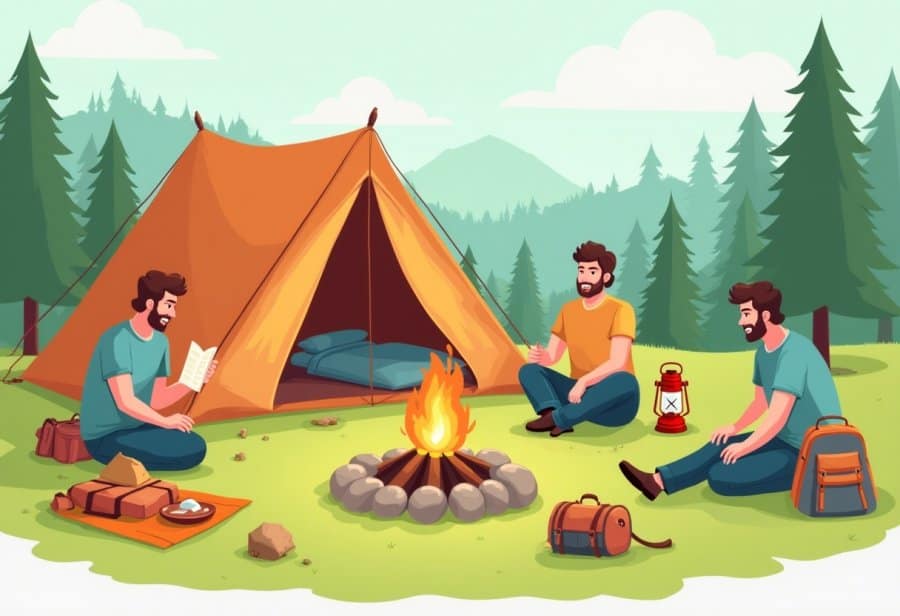
Embrace Nature: Your Journey into Camping Begins
Camping is all about stepping outside your usual routine and immersing yourself in nature. It’s a chance to disconnect from screens, slow down, and enjoy the simple pleasures of the outdoors. Whether it’s pitching a tent in the woods, parking a camper by a lake, or finding a cozy spot in the mountains, camping offers a temporary escape where you can breathe fresh air and relax away from the demands of everyday life.
For many beginners, the idea of camping can feel a bit intimidating. Packing the right gear, setting up a tent, and managing basic needs like cooking and hygiene might seem overwhelming at first. But these are just initial hurdles. Once you understand the essentials, camping becomes surprisingly manageable and even fun. The key is to approach it with curiosity and a willingness to learn as you go.
Camping isn’t about perfection; it’s about enjoying the experience and embracing the imperfections. Maybe your tent isn’t perfectly straight, or the weather surprises you, but those moments often turn into the best stories. The outdoors has a way of teaching patience and resilience, helping you develop confidence in new skills like building a campfire or navigating with a map.
This adventure also creates opportunities for shared memories. Roasting marshmallows around a campfire, exploring nature trails, or just waking up to the sounds of birds can become cherished moments with friends or family. These experiences foster a sense of independence and accomplishment, whether it’s setting up your tent or spotting wildlife. Each trip is a step toward feeling more comfortable and connected to nature.
Starting your camping journey might bring some nerves, but it’s worth pushing past them. With a little preparation and an open mind, you’ll find that camping is more accessible and rewarding than you might expect. It’s about discovering new places, learning new skills, and finding a peaceful rhythm in the great outdoors. The more you explore, the more you’ll realize that camping isn’t just a hobby—it’s a way to recharge, reconnect, and enjoy life’s simple pleasures.
Master Planning: Prepare for Your First Outdoor Adventure
Planning ahead is the key to a smooth and enjoyable first camping experience. Start by choosing a beginner-friendly campsite that offers easy access, clear signage, and basic amenities. Reading reviews or chatting with park rangers can give you a better idea of what to expect, helping you select a spot where you’ll feel safe and comfortable. Once you’ve settled on a location, make a checklist of essential gear—think tent, sleeping bags, cooking supplies, weather-appropriate clothing, and safety items. Packing thoughtfully ensures you won’t forget important essentials and minimizes stress once you’re out in nature.
Getting familiar with your gear before the trip can make all the difference. Watching online tutorials on pitching a tent or building a campfire can boost your confidence. If possible, practice setting up your tent at home so you’re not fumbling around in the dark or bad weather. Knowing how your equipment works lets you focus more on enjoying the outdoors and less on troubleshooting. Planning simple, easy-to-prepare meals like trail mix or pre-made camping dishes also keeps mealtime straightforward, giving you more time to explore and relax.
Weather can be unpredictable, so checking the forecast before heading out is smart. Pack layers to stay comfortable in changing conditions, and include rain gear just in case. Waterproof shoes, ground tarps, and extra clothes help keep you dry and cozy. Safety essentials like a first aid kit, insect repellent, and a map or GPS add peace of mind, especially if you’re venturing into unfamiliar terrain. Being prepared for different situations allows you to focus on the experience rather than worries, making your trip safer and more enjoyable.
Efficient organization of your gear makes a big difference. Use a checklist to ensure all essentials are packed and keep important items like your flashlight, water, and snacks within easy reach. Lightweight, multi-purpose gear can save space and reduce clutter. Knowing exactly where everything is helps you stay relaxed and focused on the adventure ahead. Sharing your plans with a trusted friend or family member, including your route and expected return time, adds an extra layer of safety should anything unexpected happen.
Finally, stay flexible and open-minded. No matter how carefully you plan, some things might not go perfectly—weather, equipment, or trail conditions can surprise you. Embracing a positive attitude and a sense of adventure transforms potential setbacks into part of the fun. With good preparation and an easygoing mindset, your first camping trip can turn into a memorable, rewarding outdoor adventure that sets the stage for many more to come.
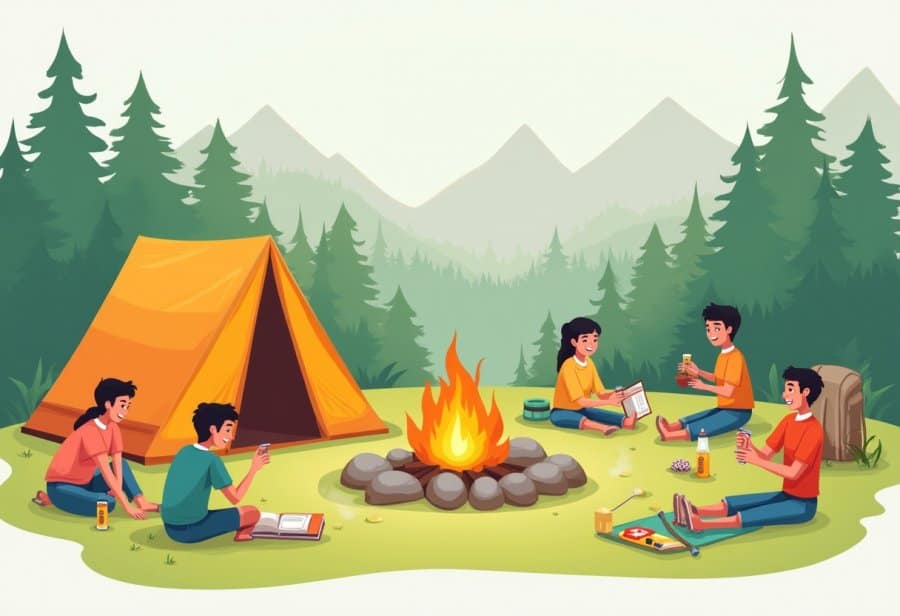
Discover and Learn: What Camping Teaches You About Nature and Yourself
Camping trips are full of moments that teach us about both nature and ourselves. As you spend time outdoors, your senses become sharper—you start noticing the melodic chirping of birds, feeling the rough texture of tree bark, or catching sight of wildlife going about their day. These small observations deepen your appreciation for your surroundings and foster patience and curiosity. Learning practical skills like setting up a tent, safely starting a campfire, or navigating with a map builds confidence and transforms you into a more capable outdoor enthusiast.
Many memorable camping experiences are rooted in simple joys and shared moments. Waking up early to warm sunlight filtering through leaves, swapping stories around a crackling fire, or spotting deer grazing nearby create stories that stay with you long after the trip ends. Embracing minor imperfections—like a slightly crooked tent or an unexpected rain shower—keeps you relaxed and present. Approaching each outing with an open mind allows nature’s wonder to unfold, turning ordinary trips into adventures of discovery.
Engaging with the environment makes camping both relaxing and exciting. Birdwatching, where you identify different species by their calls, or taking a walk to observe plants and insects, encourages a deeper connection with nature. For thrill-seekers, activities like kayaking or swimming in a mountain lake refresh your senses, while nighttime stargazing or listening to forest sounds can deepen your awe for the outdoors. These moments transform camping from a simple trip into a journey of exploration, highlighting new details and fostering wonder.
Challenges like sudden weather changes or minor gear mishaps can test your patience. The key is staying flexible and maintaining a positive attitude. Arriving early to set up camp, organizing your gear beforehand, and carrying essentials like a flashlight and first aid kit make a big difference. When setbacks occur, they become part of the adventure—learning resilience and adaptability. Overcoming these hurdles not only enhances your outdoor skills but also makes each trip more rewarding.
Every camping experience offers an opportunity to learn more about the environment and yourself. As you gain confidence, you’ll start to identify local plants, develop wilderness safety skills, and improve your outdoor cooking techniques. These new abilities open doors to remote and extended adventures, deepening your bond with nature. The focus shifts from just exploring to cultivating a lifelong relationship with the outdoors, discovering new terrains and overcoming challenges along the way.
Trying new activities like birdwatching, star gazing, or nature photography can make each trip more enriching. These pursuits encourage patience and a keen eye for detail, turning each outing into a mini science expedition. Collecting interesting rocks, making nature crafts, or simply observing wildlife adds layers of engagement that make camping more meaningful. These small projects help you notice what might otherwise go unnoticed, enriching your outdoor experience.
Reflecting on past trips and setting new goals keeps your outdoor journey fresh and exciting. Whether it’s spotting a rare bird, conquering a challenging trail, or mastering a wilderness skill, having targets gives your adventures purpose. Achieving these milestones boosts your confidence and motivates you to explore further. Over time, these successes turn outdoor exploration into a continuous process of growth, resilience, and discovery, making every trip more rewarding than the last.
Enhance Your Trips: Personalize and Deepen Your Camping Experiences
To truly deepen your camping experience, adding personal touches can make each trip uniquely memorable. Bringing along your favorite book, a playlist, or a deck of cards creates a cozy atmosphere that makes outdoor living inviting, especially for beginners. These small comforts help transform a simple outing into a relaxing retreat, giving you a sense of home in the wilderness. Planning activities like stargazing or keeping a nature journal encourages mindfulness and enhances your connection to the environment. Noticing how sunlight filters through the trees or the sounds of insects at dusk turns a basic trip into a layered sensory adventure.
Exploring new outdoor skills also enriches your trips. Trying your hand at cooking over an open fire or learning to identify local plants adds an educational element that keeps things fresh. These activities shift camping from just a place to stay into a continuous journey of learning and growth. Establishing small routines, such as a morning coffee ritual or an evening walk, helps create a sense of tradition. Over time, these routines become part of your outdoor identity, making each adventure feel familiar and special.
Venture into different environments to expand your outdoor horizons. Visiting mountain peaks, lakeshores, or coastal areas exposes you to diverse landscapes and challenges. Each setting offers new sights and opportunities to develop different skills, making your outdoor pursuits more varied and exciting. Joining guided outings or outdoor clubs can introduce you to advanced techniques, from navigation to wilderness safety, further boosting your confidence and skill set. These experiences keep your passion alive and inspire ongoing exploration.
Engaging in activities like birdwatching, star gazing, or nature photography adds depth to your camping trips. These pursuits foster patience and observation, turning each outing into a mini science expedition. Collecting interesting rocks, creating nature crafts, or simply observing wildlife deepens your appreciation for the environment. Small projects like these make the outdoors more than just a setting—they become a source of creative discovery, encouraging you to notice details you might otherwise overlook.
Setting personal goals for each trip injects purpose and motivation into your adventures. Whether it’s spotting a rare bird, conquering a challenging trail, or mastering a new outdoor skill, having targets makes each outing rewarding. Achieving these milestones builds confidence and pushes you to explore further, turning outdoor exploration into a lifelong journey of growth and resilience. Each success becomes a stepping stone, inspiring new challenges and discoveries.
Sharing your outdoor experiences with friends or fellow enthusiasts adds a social dimension to your camping life. Organizing group trips, exchanging tips, or teaching skills you’ve learned fosters camaraderie and keeps your enthusiasm high. The stories and laughter shared around the campfire turn each adventure into lasting memories. Connecting with others also introduces fresh ideas and techniques, helping you grow as a camper and explorer. This sense of community ensures that your love for the outdoors remains vibrant, fueling your desire to seek out new and inspiring places.
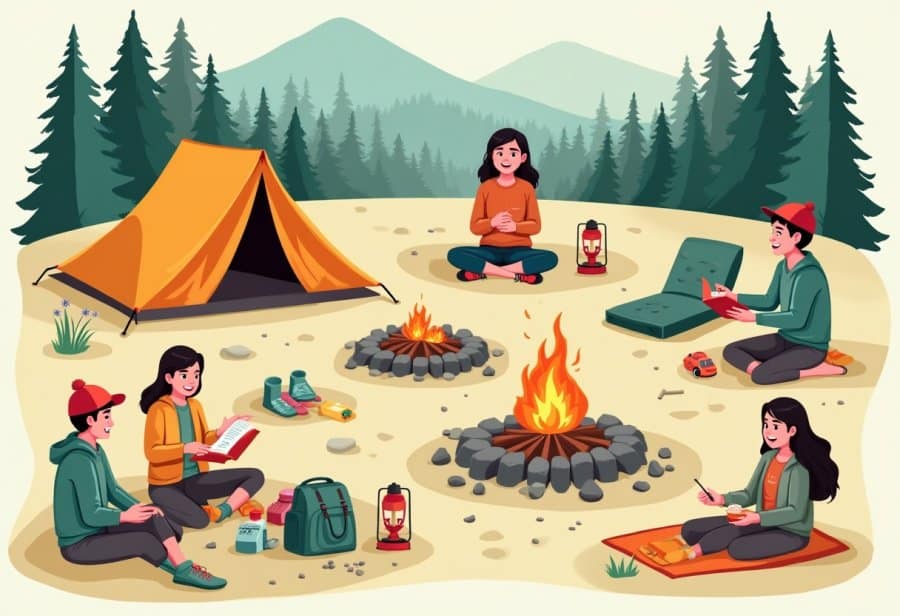
Explore New Horizons: Future Adventures in the Great Outdoors
As you become more comfortable with camping, the adventure naturally expands into new and more challenging destinations. Moving beyond familiar local spots opens up a world of diverse landscapes—majestic mountain peaks, expansive lakeshores, and remote wilderness areas far from the crowds. These trips not only test your outdoor skills but also deepen your confidence, making each experience more rewarding. Exploring unfamiliar terrain reveals fresh sights and sounds that keep your passion for outdoor adventure alive and invigorated.
Embracing innovative outdoor gear and sustainable practices can elevate your trips even further. Lightweight tents with solar panels, portable water purifiers, and compact weather tools allow you to stay connected and well-prepared without sacrificing the wilderness experience. Opting for eco-friendly equipment and practicing low-impact camping ensures you enjoy nature responsibly. These advancements make your outdoor pursuits more comfortable and safe, fostering a stronger bond with the environment while respecting its delicate balance.
As your skills grow, so does your appetite for exploration. You might learn advanced navigation, wilderness survival techniques, or master outdoor cooking methods. These abilities open doors to multi-day backpacking adventures and remote campsites, where self-reliance is key. Instead of just ticking off destinations, your focus shifts toward cultivating a lifelong relationship with nature—discovering new terrains, overcoming challenges, and building resilience. Each successful trip becomes a stepping stone in this ongoing journey of growth and discovery.
Trying new activities like birdwatching, star gazing, or nature photography adds layers of engagement to your camping experiences. These pursuits encourage patience and keen observation, transforming each outing into a mini-science expedition. Collecting interesting rocks, capturing wildlife on camera, or simply listening to the forest at night deepens your connection to the environment. Such activities turn outdoor adventures into personal explorations, making every trip more meaningful and memorable.
Setting fresh goals for each expedition keeps your outdoor journey vibrant. Whether it’s spotting a rare bird, conquering a difficult trail, or learning a new wilderness skill, having targets provides purpose and motivation. Reaching these milestones boosts confidence and inspires you to push further into more remote or demanding environments. Over time, these achievements reinforce your sense of progress, fueling a continuous cycle of curiosity and adventure.
Sharing your outdoor experiences with friends, family, or outdoor communities adds a social dimension that enriches your passion. Organizing group trips, exchanging tips, or teaching others what you’ve learned creates a sense of camaraderie and shared purpose. The stories and laughter around the campfire turn each outing into lasting memories. Connecting with fellow enthusiasts not only introduces fresh ideas but also keeps your love for the outdoors vibrant, inspiring ongoing exploration and discovery.