Step into the roaring heart of 1970s American muscle culture with the Chevrolet SS, a symbol of raw power and bold style. Its aggressive design, highlighted by racing stripes and a commanding stance, invites admiration and nostalgia, yet beneath lies a formidable 454-cubic-inch V8 engine capable of astonishing performance. This era wasn’t just about speed—it embodied rebellion, innovation, and a fierce pursuit of freedom on wheels. From the thunderous exhaust to its cultural impact, the Chevelle SS 454 remains an enduring icon, fueling passion and inspiring future generations. But as modern technology evolves, can these vintage legends adapt without losing their rebellious spirit? The legacy persists, blending nostalgia with innovation, ensuring that the roar of American horsepower continues to echo—challenging us to keep the flame of muscle car culture alive amid a changing automotive landscape.
Unleashing the Muscle Car Legend: The 1970s Chevrolet SS
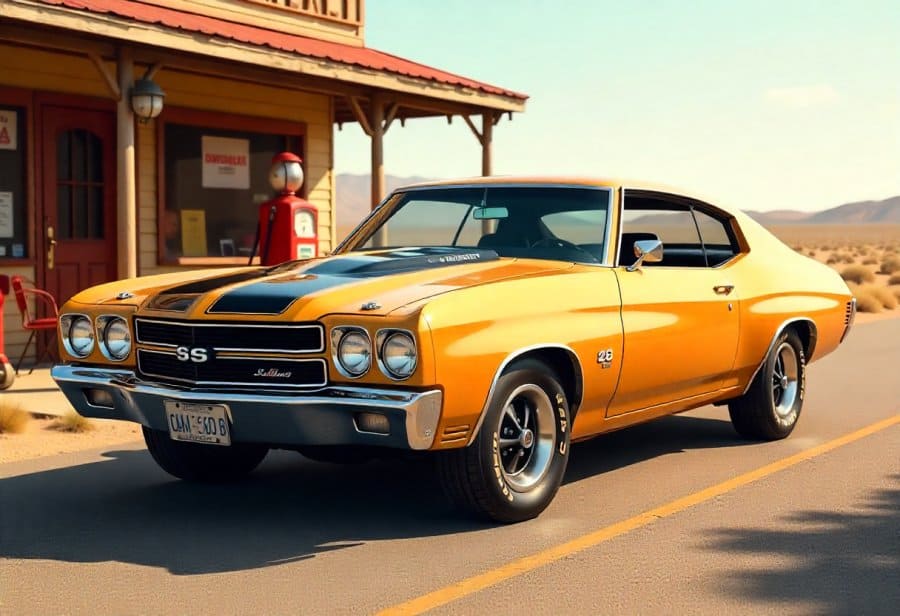
The Chevrolet SS of the 1970s captures the essence of muscle car boldness and performance, standing out as a true icon of its era. Its muscular stance and aggressive styling immediately announce its purpose: speed and power. Sharp lines and aerodynamic contours give it a sleek, commanding presence on the street, while the wide, low profile hints at the raw horsepower lurking beneath the surface. The cowl-induction hood not only looks formidable but signals the high-performance engine housed inside, reinforcing the car’s reputation as a street beast.
Beneath that striking exterior lies a mechanical powerhouse—the Chevelle SS 454. This beast was equipped with a massive 454-cubic-inch V8 engine, capable of producing up to 450 horsepower and 500 lb-ft of torque. Its thunderous exhaust note became synonymous with muscle car culture, turning heads and commanding respect wherever it roared. Accelerating from 0 to 60 mph in just over five seconds, it exemplified the era’s obsession with unfiltered, unrestrained power.
The design wasn’t just about looks; it was built for control as well. Heavy-duty suspension components, wide tires, and performance-tuned shocks ensured the SS 454 wasn’t just about brute strength—it was a car that handled with precision. Whether carving through winding roads or dominating a drag strip, it delivered an exhilarating driving experience. Every detail, from the suspension to the engine tuning, was crafted to maximize speed, agility, and driver confidence.
Visually, the Chevelle SS 454 made a bold statement. Racing stripes, vibrant colors like Hugger Orange, and chrome accents emphasized its sporty personality. Badging and styling cues spoke to its aggressive character and high-performance pedigree. This was a car designed to stand out—an embodiment of rebellion and freedom on wheels, a rolling symbol of American muscle.
More than just a vehicle, the SS 454 represented a cultural movement. It embodied the daring spirit of the 1970s, a time when automakers pushed boundaries to deliver vehicles that celebrated speed, style, and individualism. Owning a Chevelle SS wasn’t just about transportation; it was about making a statement—affirming identity and embracing the thrill of unrestrained horsepower.
Today, the legacy of the Chevelle SS 454 continues to inspire enthusiasts and collectors alike. Restoring these cars keeps the spirit of the muscle car era alive, preserving a vital chapter in American automotive history. Each restored model serves as a reminder of a time when performance and attitude went hand in hand, shaping the identity of muscle cars as symbols of rebellion and innovation.
In essence, the 1970s Chevrolet SS isn’t just a classic car—it’s a testament to a golden age of American horsepower. Its design, performance, and cultural significance make it a timeless icon, one that still roars with vitality in the hearts of enthusiasts today. Owning or experiencing a Chevelle SS 454 is like tapping into a wave of nostalgia that pulses with power, attitude, and the unbreakable spirit of muscle car legend.
Muscle Car Era: The Birth of an American Icon
The 1970s marked the peak of the muscle car era, a time when American horsepower became a symbol of rebellion, freedom, and boldness. Automakers competed fiercely to produce the most powerful, eye-catching cars on the streets, each vying to outdo the other in both horsepower and style. These vehicles weren’t just transportation—they embodied a daring attitude that captured the imagination of young drivers and the broader culture alike. From the roar of the engines to the vivid paint jobs, muscle cars like the Chevrolet Chevelle SS, Pontiac GTO, and Dodge Charger defined an era of unrestrained performance.
Innovation in engine design and aesthetics thrived during this period. The introduction of high-performance engines, such as the 454-cubic-inch V8 in the Chevelle SS 454, set new standards for speed and power. Their thunderous exhaust notes and blistering acceleration made every drive an event, turning ordinary streets into arenas of raw performance. Meanwhile, design elements like aggressive lines, racing stripes, and vibrant colors transformed these cars into rolling works of art, reflecting a culture that celebrated risk-taking and individuality.
Culturally, muscle cars transcended their role as everyday vehicles. They became icons of a broader movement—symbols of breaking away from conservative post-war values and embracing a rebellious spirit. The sound of a big-block engine was a sonic badge of American ingenuity, resonating with a generation eager to challenge norms and push boundaries. These cars represented freedom, speed, and the thrill of unrestrained power, capturing the essence of youthful rebellion and independence.
However, the momentum of the muscle car boom faced mounting challenges as the decade wore on. Rising gas prices, stricter government regulations, and the 1973 oil crisis began to curb the appetite for big engines. Emissions standards and safety regulations also pushed automakers to dial back performance. Despite these hurdles, the cultural impact endured, cementing muscle cars as enduring symbols of American innovation and daring design that still inspire today.
The legacy of this golden age continues to influence automotive culture, with vintage models from the 1970s remaining highly prized among collectors and enthusiasts. Restoring these cars keeps their history alive, serving as tangible links to a time when performance was about attitude as much as engineering. These vehicles embody a rebellious spirit that continues to inspire new generations, blending nostalgia with a desire for speed and style.
In essence, the 1970s muscle car era defined more than just a style of car; it created a cultural imprint that celebrates power, innovation, and the daring pursuit of freedom. Its influence is still felt today, fueling the ongoing passion for American horsepower and the timeless allure of muscle cars.
Deep Dive into the Power and Style of the Chevrolet SS
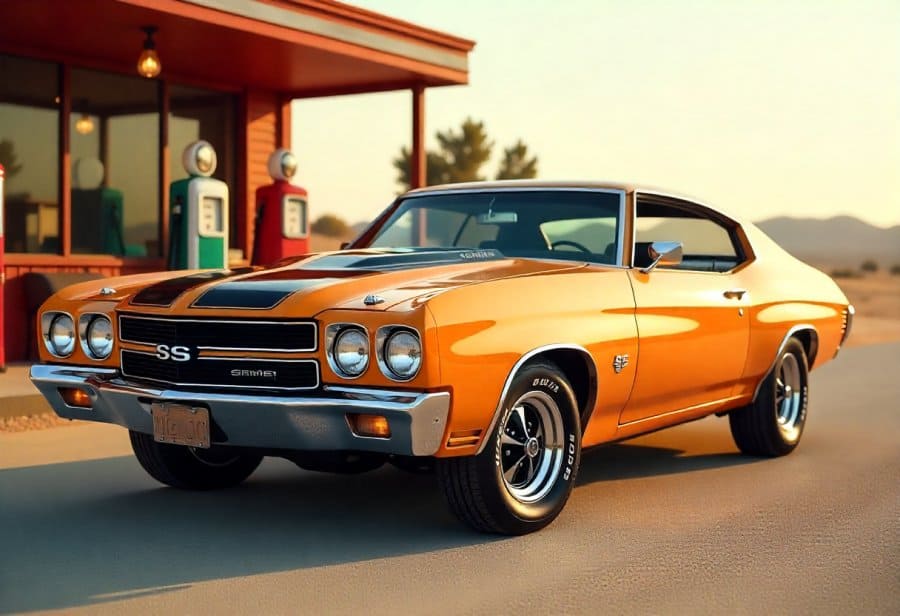
The 1970s Chevrolet SS stands as a striking example of vintage muscle car style, seamlessly blending muscular design with raw, unfiltered performance. Its exterior commands attention with aggressive lines and aerodynamic contours that create a commanding presence on the street. The wide stance and low profile hint at the immense power hidden beneath, while sharp creases along the body suggest speed even at a standstill. The cowl-induction hood, a hallmark of muscle cars, not only looks formidable but signals the high-performance engine tucked inside, reinforcing its reputation as a street beast. Bright racing stripes and bold badging further emphasize its rebellious character, making it impossible to ignore.
Beneath that captivating exterior lies a mechanical powerhouse—the Chevelle SS 454. Equipped with a massive 454-cubic-inch V8 engine, it could produce up to 450 horsepower and 500 lb-ft of torque. The thunderous growl of its big-block V8 became synonymous with muscle car culture, turning heads and commanding respect wherever it roared. Its acceleration was blistering, capable of hitting 60 mph in just over five seconds, exemplifying the era’s obsession with unrestrained power. This raw performance wasn’t just about numbers; it was about creating an experience that stirred the soul.
Handling and suspension were meticulously tuned to match its brute strength. Heavy-duty shocks, wide tires, and performance-enhanced suspension components ensured the SS 454 wasn’t just about raw speed—it was about control. Whether carving winding roads or dominating the drag strip, it delivered an exhilarating, confidence-inspiring ride. Every detail, from engine tuning to suspension setup, was crafted to maximize agility and driver engagement, making it a true driver’s car.
The visual design of the SS was as bold as its performance. Racing stripes, vibrant colors like Hugger Orange, and chrome accents made it stand out dramatically. These aesthetic choices weren’t just for show—they conveyed a rebellious attitude and a desire to break free from conventional design norms. When in motion, the car’s aggressive stance and distinctive styling evoked images of speed, competition, and daring spirit, embodying the essence of American muscle.
Beyond its striking looks and powerful engine, the Chevelle SS 454 became a symbol of American ingenuity and the golden age of muscle cars. It embodied a time when automakers pushed boundaries, creating vehicles that celebrated freedom, speed, and individuality. For owners, it was more than a car; it was a badge of pride and a statement of rebellion. Its roar and presence continue to inspire enthusiasts, serving as a tangible link to an era defined by passion and innovation.
Restoring and maintaining these classic muscle cars is about more than aesthetics; it’s a tribute to that rebellious spirit. Authentic parts, careful preservation, and a love for detail help keep the legacy alive. Sharing stories and participating in car culture ensures that the energy and attitude of the muscle car era remain vibrant. Each restored Chevelle SS 454 is a living piece of history, embodying the daring, power, and style that made it legendary.
Today, the influence of the Chevelle SS 454 persists. Modern interpretations draw inspiration from its bold lines and performance ethos, blending vintage style with contemporary technology. Electric and hybrid muscle cars aim to replicate that thunderous growl while offering cleaner performance, proving that the spirit of American horsepower continues to evolve without losing its rebellious core. The legacy of this iconic model endures, fueling new generations of enthusiasts eager to experience the thrill of true muscle car power.
Connecting with the Past: The Enduring Spirit of Muscle Cars
Experiencing the raw power of a vintage muscle car like the Chevelle SS firsthand can forge a deep connection to the golden age of American horsepower. Whether you’re attending a classic car show, visiting a vintage race, or taking a carefully restored model for a spin, these moments bring history vividly to life. Hearing the thunderous growl of the engine and feeling the vibrations through your seat isn’t just viewing a piece of history—it’s feeling it. These visceral experiences turn nostalgia into something tangible, creating memories that stick long after the engine cools down.
Getting close to these cars at events or museums allows for a genuine appreciation of the craftsmanship and bold design choices that defined the era. Noticing every detail—from the aggressive lines and shiny chrome accents to the racing stripes—helps you understand the daring vision behind these icons. And when you actually take the wheel of a restored Chevelle SS, it’s about more than just speed; it’s about feeling the energy and attitude that made muscle cars legendary. These moments deepen your admiration and keep the spirit of American muscle alive in your heart.
Restoring and caring for these vehicles goes beyond routine maintenance—it’s a way to honor the rebellious spirit they embody. Using authentic parts, protecting the paint, and storing the car carefully ensure these pieces of history remain vibrant and relevant. Participating in car communities, sharing stories, and taking part in shows help sustain the culture of muscle cars, passing on their legacy to new generations. Every effort in preservation is a step toward keeping alive the boldness and innovation that defined these machines.
The lessons from the muscle car era extend beyond performance—they remind us to embrace personality and individuality in design and driving. Modern cars can draw inspiration from that daring spirit, creating vehicles that stand out, evoke emotion, and tell a story. Celebrating the legacy of the Chevelle SS, for example, encourages us to see cars as expressions of freedom and rebellion, not just transportation. This mindset inspires a broader appreciation for automotive history and the importance of pushing boundaries.
Finally, engaging with these cars fosters a broader cultural appreciation. Whether restoring, collecting, or simply admiring from afar, each action helps preserve the vibrant culture surrounding muscle cars. These vehicles symbolize a time when performance was about attitude as much as engineering—an era that continues to inspire and energize enthusiasts today. Embracing this legacy means keeping the roar of American horsepower alive, ensuring that the spirit of rebellion, power, and style endures for generations to come.
The Future of Muscle Car Nostalgia: Innovation Meets Tradition
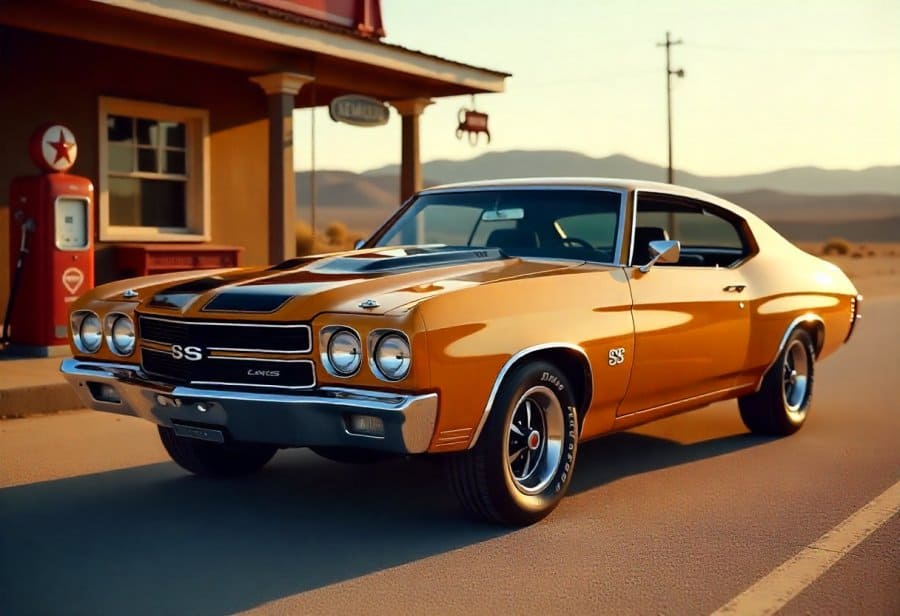
The legacy of muscle car culture continues to shine brightly, adapting and evolving with the times while staying true to its roots. Modern automakers draw inspiration from the bold, aggressive lines and high-performance ethos of classic models like the 1970s Chevrolet SS, blending vintage style with cutting-edge technology. This fusion keeps the spirit alive, appealing to both nostalgic enthusiasts and newcomers eager to experience that raw, unfiltered power. Today’s reinterpretations often feature sleek designs, big engines—sometimes electric—and performance enhancements that pay homage to the golden age of muscle cars.
Electric and hybrid powertrains are reshaping what muscle cars can be, offering instant torque and impressive speed without the traditional fuel consumption. These innovations allow performance and sustainability to coexist, proving that the core values of American horsepower remain relevant. The thunderous growl of a big-block engine might be replaced by a deep, electronic rumble, but the attitude and sense of rebellion are still at the very heart of these vehicles. This evolution ensures muscle cars are not relics of the past but forward-looking symbols of excitement and progress.
Community engagement plays a vital role in preserving and expanding the muscle car legacy. Car shows, online forums, and vintage racing events bring enthusiasts together, fostering a shared passion for high-performance vehicles. Restorers work tirelessly to maintain authenticity, ensuring that each car’s history is honored while integrating modern safety and comfort features. These efforts keep the culture vibrant, connecting generations and inspiring new fans to embrace the rebellious spirit that defines muscle cars.
The future also holds a space for customization and personalization. Owners are increasingly eager to tweak and modify their cars, blending classic aesthetics with contemporary tech. Whether it’s installing advanced suspension systems, digital dashboards, or electric powertrains, this hands-on approach keeps the culture dynamic. It’s about more than just owning a car—it’s about making a statement, expressing individuality, and continuing the tradition of pushing limits.
Designers and engineers are experimenting with new materials to improve performance while maintaining the iconic muscle car look. Lightweight composites, aerodynamic tweaks, and innovative chassis designs help boost speed and handling, making these vehicles more agile and efficient. Even as the technology advances, the visual identity remains unmistakably bold—racing stripes, aggressive stances, and muscular contours still define the new wave of muscle cars.
Ultimately, the spirit of American horsepower is resilient, thriving in a landscape that balances tradition with innovation. As long as there are people passionate about performance, style, and rebellion, muscle car nostalgia will never fade. It will continue to inspire, challenge, and excite, promising that the roar of engines from the golden age will echo into the future—an enduring symbol of freedom, power, and daring adventure.