Learning to ride a bike is more than a physical milestone; it’s a profound symbol of courage, independence, and family bonds. But does the fear of falling outweigh the thrill of freedom? As children wobble on two wheels amid cheers and encouragement, they face setbacks that foster resilience and trust. This emotional journey is woven into family life, transforming practice into shared moments of perseverance and joy. Modern safety gear, community programs, and supportive environments make learning safer and more accessible, yet the core lesson remains: falling isn’t failure, but a step toward growth. Beyond the mechanics, these experiences teach children to confront fears, develop confidence, and connect with others through shared adventures. In the end, cycling becomes a lifelong metaphor for overcoming challenges and embracing independence—raising an important question: are the risks of falling worth the rewards of newfound freedom?
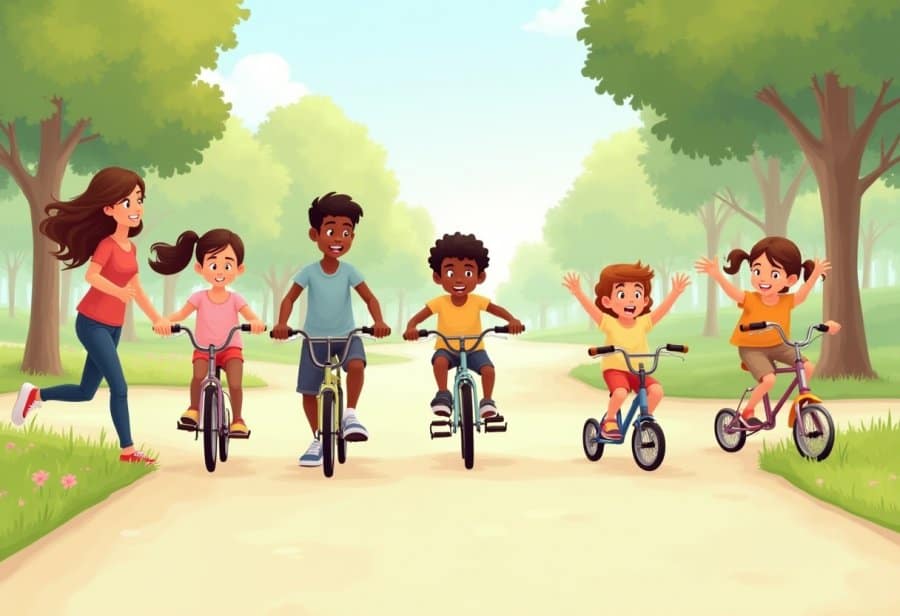
Learning to Ride: A Milestone of Courage, Independence, and Family Bonding
Learning to ride a bike isn’t just about mastering balance or moving from one pedal to the next; it’s a milestone filled with emotion and meaning. For many children and their families, those first shaky attempts mark more than just acquiring a new skill—they symbolize courage, independence, and trust. Watching a young rider wobble on two wheels for the first time often sparks a mix of pride and nervousness, as parents see their child take a step toward self-reliance. It’s a moment that feels both exhilarating and nerve-wracking, but one that leaves a lasting impression.
These early efforts create shared experiences that bring families closer together. Whether parents jog alongside, steady the bike, or cheer from the sidelines, each small victory becomes a building block for confidence. Learning to ride transforms into a bonding ritual—one built on patience, encouragement, and collective pride. It’s less about the mechanics of cycling and more about nurturing resilience and trust, lessons that extend far beyond the driveway or park.
For kids, learning to ride is a rite of passage. It’s a clear sign that they’re stepping into independence, taking control of their own adventures. The moment they finally balance on two wheels, free from support, is a powerful reminder that they can face fears and push through doubts. That feeling of mastery, however small at first, fuels a sense of achievement that can last a lifetime. It’s a small step, but one that often opens the door to new challenges and opportunities.
Parents often remember their own first bike rides and the mix of excitement and anxiety they felt. Passing that feeling on to their children becomes both a gift and a responsibility—a chance to teach that courage is built through support and perseverance. The process involves more than just teaching skills; it’s about creating a safe environment where kids can stumble, fall, and get back up, knowing they have a family behind them. These moments of vulnerability and triumph deepen bonds and foster trust.
More than just a physical activity, learning to ride a bike is an emotional and psychological journey. Overcoming the fear of falling and facing the risk of embarrassment helps children develop resilience. With each wobble and tumble, they learn that failure isn’t the end but a step toward growth. The support from family during these times helps children see that they are capable of more than they think, even when setbacks happen.
In the end, learning to ride a bike is a symbol of courage and connection. It reminds us that the path to independence is paved with support, patience, and persistence. These moments of falling and getting back up aren’t just about riding a bike—they’re about building confidence, strengthening relationships, and creating memories that last a lifetime. It’s a simple act, but one that resonates deeply in the story of growing up.
Understanding Childhood Milestones and the Power of Cycling in Family Life
Learning to ride a bike is a key milestone that marks a child’s transition toward greater independence and confidence. It’s more than just balancing on two wheels; it’s a moment that signals they’re capable of managing new challenges and exploring the world around them. For many children, this achievement becomes a symbol of growth, resilience, and self-reliance—qualities that extend well beyond the bike itself.
Cycling has long been woven into family life, serving as a shared activity that fosters connections across generations. Weekend rides, neighborhood adventures, or trips to the park create opportunities for parents and kids to bond through patience and teamwork. These moments teach valuable lessons like persistence, patience, and the importance of supporting each other, making cycling a tradition that strengthens family ties.
From a psychological perspective, overcoming the fear of falling is central to learning to ride. It’s natural for children to feel hesitant or anxious, especially when they imagine tumbles or scrapes. But with gentle encouragement and consistent support, they learn that falling isn’t a failure but a stepping stone. Each wobble or tumble becomes part of the process that builds resilience, helping kids realize they can push through setbacks and try again.
The invention of the bicycle transformed mobility and independence, turning riding into a universal symbol of freedom. Today, families often use bikes not just for fun but as a way to explore outdoors, connect with their community, and promote active lifestyles. Modern innovations—lightweight bikes, safety gear, and designated bike paths—make learning safer and more accessible, encouraging kids to develop confidence at their own pace.
Recognizing when a child is ready to learn is crucial. Warmer months and longer days make outdoor practice more inviting, while observing siblings or friends can motivate hesitant learners. Developmentally, most children reach the coordination and confidence needed for biking around a certain age, making it a natural milestone. When families seize the right moment, learning to ride becomes not just a skill but a memorable rite of passage filled with growth, joy, and shared achievement.
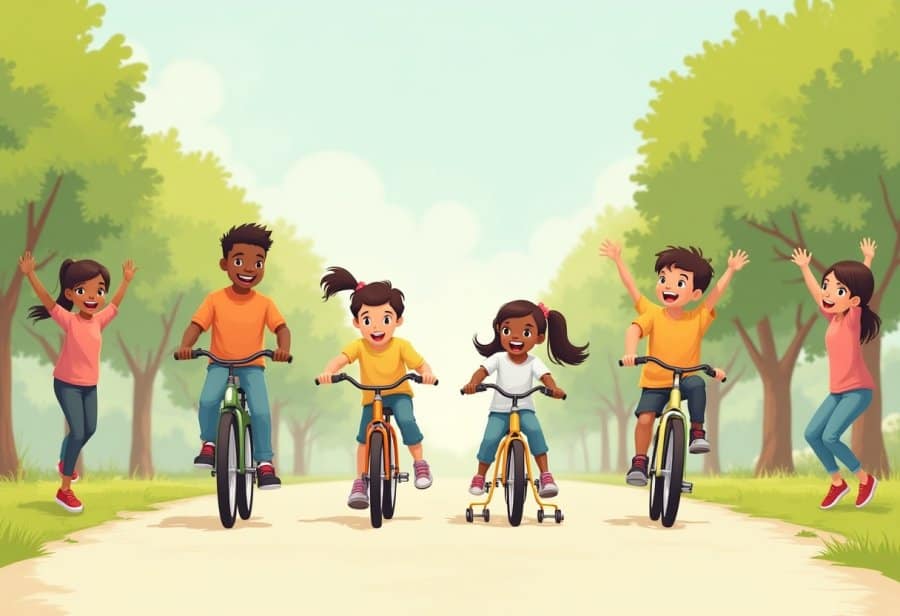
Today’s Learning Landscape: Safety, Community, and Growth in Bicycle Skills
Today, learning to ride a bike takes place in an environment shaped by increased safety awareness, community support, and changing family dynamics. Many parents now actively guide their children through structured lessons or casual practice sessions in parks, driveways, or dedicated bike paths. Emphasis on safety gear—helmets, knee and elbow pads—and choosing flat, traffic-free areas helps reduce anxiety and makes the learning process smoother. These precautions give kids room to build confidence without the fear of unnecessary risks.
Community programs and local cycling groups have become vital in supporting young riders. Organized lessons, group rides, and peer encouragement foster a positive atmosphere that motivates children and makes learning less intimidating. These programs often provide the right equipment and expert guidance, making cycling accessible even to families with limited resources. The social aspect of riding with others enhances enjoyment and reinforces safety habits in a fun, collaborative setting.
Advances in bike design have also changed the landscape of learning. Lightweight, adjustable bikes that grow with children, along with improved safety gear that’s more comfortable and appealing, encourage kids to practice more frequently. These innovations create a safer, more inviting environment that helps children develop their skills and confidence at their own pace, reducing frustration and fear.
Digital resources now complement in-person lessons, offering tutorials, videos, and coaching apps that parents and kids can access at home. Many communities feature dedicated cycling lanes or parks designed specifically for beginners, providing safe spaces to practice without traffic or distractions. This combination of physical infrastructure and online support makes learning to ride less daunting, especially for cautious or first-time riders.
Timing remains a key factor. Warmer months and longer daylight hours create ideal conditions for outdoor practice, while seeing siblings or friends succeed can inspire hesitant children to give it a try. Developmentally, most kids reach the necessary coordination and confidence around a certain age, making these moments natural milestones. Recognizing when a child is ready helps families turn learning into a positive, memorable experience.
Overall, the landscape of learning to ride has shifted to prioritize safety, community, and convenience. These changes lower barriers, making it easier for kids to embrace cycling and enjoy the freedom it offers. When supported by the right environment and resources, children can learn with less fear and more enthusiasm, turning their first bike ride into a lasting foundation for independence and adventure.
Cost Considerations: Budgeting for Bikes, Gear, and Training Resources
Learning to ride a bike involves more than just physical skills; it also requires some thoughtful financial planning. The first major expense is typically the bike itself. Prices vary widely, from affordable second-hand options to high-end lightweight models designed specifically for children’s comfort and durability. Investing in a quality bike early on can save money in the long run by reducing repairs and ensuring the bike lasts through multiple growth stages. Alongside the bike, safety gear like helmets, knee and elbow pads, and reflective clothing are essential. These items protect children during their rides and help build confidence, making safety a priority from the start.
Training costs also factor into the overall budget. While many children learn through informal practice with family, some families choose to enroll their kids in professional lessons or community programs. These structured sessions teach proper techniques and safety habits, which can significantly reduce the risk of injury and accelerate progress. Community-based options often offer affordable, sometimes even free, instruction that makes quality guidance accessible without a hefty price tag. Proper training doesn’t just promote safety; it helps children develop good habits that stay with them long after they’ve mastered the basics.
Beyond initial purchases, maintenance is an ongoing expense worth considering. Bikes need occasional repairs—like fixing flat tires, adjusting brakes, or replacing worn-out parts—which can add up over time. Choosing a durable, easy-to-maintain bike helps keep maintenance costs manageable. Small accessories such as bells, lights, or reflective decals aren’t expensive but are crucial for safety, especially when riding in low-light conditions. These additions also make riding more fun and encourage kids to stay engaged with cycling.
Families on a tighter budget can find smart ways to cut costs without sacrificing safety or quality. Buying second-hand bikes and gear through online marketplaces, thrift stores, or local swap events can significantly reduce expenses. Community programs and cycling groups often provide free or low-cost options for lessons, bike rentals, or gear donations, lowering financial barriers. Borrowing equipment from friends or family members is another practical solution for initial rides, helping young riders get started without heavy upfront costs.
Viewing these expenses as investments makes sense when considering the lifelong benefits of cycling. The right equipment and proper training foster a safe, enjoyable experience that encourages kids to keep riding and exploring. When families plan carefully, the costs involved become manageable, turning the journey of learning to ride into a positive, accessible adventure. Ultimately, financial mindfulness ensures that children can experience the independence, confidence, and joy that come with mastering their first bike without undue stress or worry.
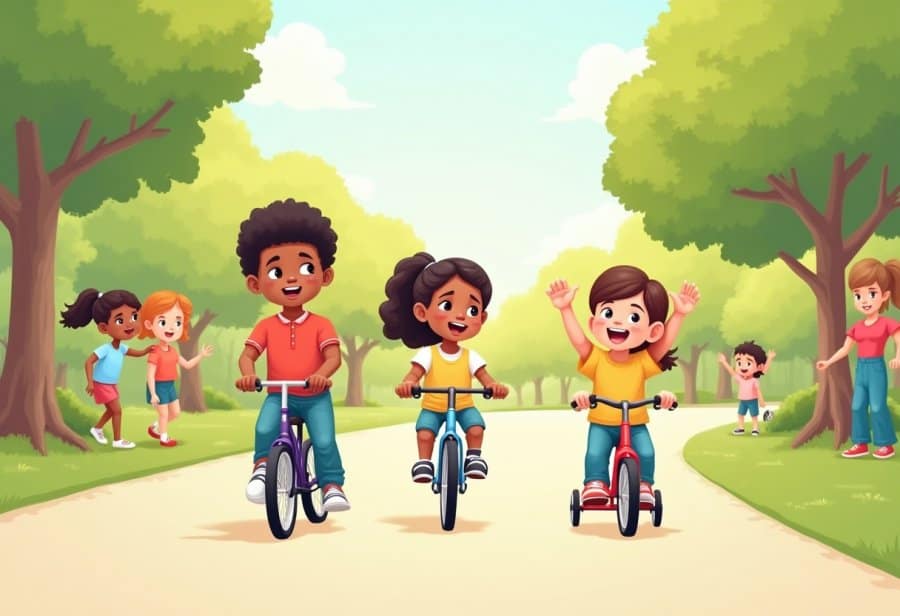
Real-World Impact: How Learning to Ride Shapes Family Bonds, Confidence, and Community Engagement
Learning to ride a bike often becomes a defining moment that echoes through daily family life. Parents recall the quiet pride that surfaces when their child pedals confidently for the first time, after many supportive attempts. Those small victories aren’t just about learning a new skill; they foster independence and boost confidence, strengthening the bond between parent and child. Celebrating these milestones together transforms cycling from a simple activity into a shared tradition full of encouragement, joy, and mutual achievement.
For many families, teaching a child to ride turns into a natural way to spend quality time. Whether practicing in the driveway or enjoying leisurely neighborhood rides, these moments build trust and open lines of communication. Kids learn that their parents are there to support them through setbacks and successes alike, helping them develop resilience and a sense of accomplishment. Over time, these shared experiences become stories of perseverance and teamwork, reinforcing that challenges are easier to overcome when faced together.
The confidence children gain from learning to ride extends far beyond the bike. Facing the fear of falling or losing control teaches them that setbacks are part of growth. This resilience can influence their approach to school, hobbies, and social interactions, providing a mental toolkit for handling difficulties. Mastering balance and coordination fosters a sense of self-efficacy—knowing they can tackle problems with patience and persistence—laying the groundwork for lifelong confidence and a proactive mindset.
Community involvement often blossoms from these early lessons. Kids riding together in local parks or cycling groups create social bonds that go beyond family. Participating in group rides and community events turns cycling into a social activity that promotes teamwork, friendship, and a sense of belonging. These shared experiences help children see cycling not just as an individual skill but as a fun, inclusive way to connect with others, enriching their social and emotional growth.
Finally, learning to ride opens the door to new adventures. It becomes a gateway to exploring parks, nature trails, and participating in local races or charity rides. These activities encourage an active lifestyle and a love for outdoor exploration that can last a lifetime. As children grow more comfortable on their bikes, cycling evolves from a childhood milestone into a lifelong hobby—one that promotes health, adventure, and meaningful family bonding. The simple act of learning to ride thus shapes a child’s view of independence, resilience, and community, leaving a lasting imprint far beyond the initial lessons.