Why are Americans irresistibly drawn to charismatic figures selling simple, often illusionary solutions? This exploration reveals a deep-rooted cultural and psychological tendency to seek certainty amid chaos, exemplified by historic medicine shows and modern political rallies that prioritize spectacle and emotion over substance. Figures like Clark Stanley and Donald Trump master the art of persuasion through theatrical display, storytelling, and emotional appeals—creating an illusion of authenticity that fosters loyalty even when promises are hollow. The allure of quick fixes, reinforced by media and cultural narratives, taps into our collective desire for control and reassurance. But beneath the spectacle lies a critical question: how do we discern genuine progress from captivating illusions? Recognizing the power of spectacle and emotional manipulation is essential to navigating a landscape filled with superficial solutions. Ultimately, true progress demands critical thinking, transparency, and a willingness to confront complexity rather than settle for comforting illusions.
Chapter Overview
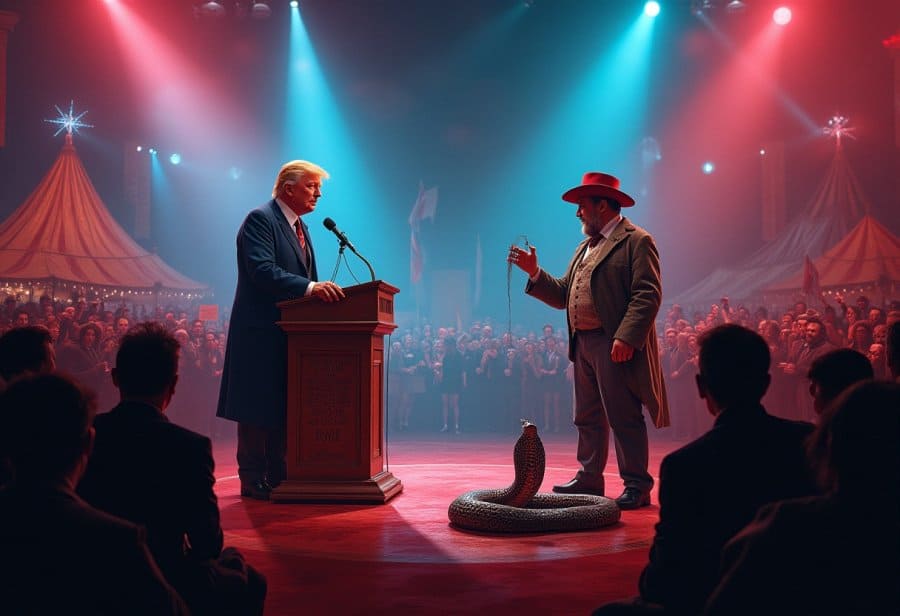
Unmasking America’s Fascination with Charismatic Figures and Illusions
In America, we’ve long been captivated by charismatic figures who promise simple solutions to complex problems. Whether it’s a political leader rallying crowds with catchy slogans or a showman selling miracle cures, there’s an irresistible pull to figures who offer certainty and hope amid chaos. These personalities create a sense of clarity that many crave but few can truly deliver.
This fascination isn’t new; it’s rooted in a deep history of spectacle and showmanship that has shaped American culture. From 19th-century medicine shows to modern political campaigns, the art of persuasion has often relied more on emotion and storytelling than on facts or science. Charismatic figures understand that emotional connection and theatrical display often matter more than substance.
The line between genuine solutions and illusions can blur easily. Leaders who master the craft of appearance—through storytelling, emotional appeals, and staged theatrics—can seem authentic even when their promises are exaggerated or false. This dynamic taps into a universal desire for control and reassurance, especially in uncertain times.
Our collective psyche craves quick fixes, believing in miracles because they offer comfort. This longing is reinforced by media, advertising, and cultural stories that suggest problems can be solved overnight. The allure of a simple cure—whether a slogan or a spectacle—serves as a mental shortcut to feel safe and in control.
Understanding why Americans are drawn to such figures helps explain the enduring power of spectacle and charisma. It’s not just about the person; it’s about what they represent—a promise of relief, a sense of belonging, and an illusion of mastery over chaos. Recognizing this pattern is vital if we want to navigate a landscape filled with illusions and find paths to genuine progress.
From Snake Oil Shows to Political Rallies: The Deep Roots of Showmanship
The roots of showmanship in America run deep, stretching back to the days when traveling medicine shows and political rallies relied heavily on spectacle to captivate audiences. In the 19th century, medicine shows became a staple of entertainment, blending folk remedies, theatrics, and salesmanship into a compelling performance. Charismatic figures like Clark Stanley, known as the “Rattlesnake King,” used dramatic demonstrations—pulling rattlesnakes from bags, boiling strange potions—to dazzle crowds and sell “miracle cures.” These shows weren’t just about medicine; they were performances designed to entertain, persuade, and evoke trust through spectacle.
This tradition of using entertainment as a persuasion tool carried over into politics, where campaign rallies and public appearances increasingly became theatrical events. Politicians quickly learned that emotional appeals and visual spectacle could sway voters just as effectively as policies. Large crowds, dramatic slogans, and staged theatrics turned campaigns into memorable performances that fostered excitement and a sense of unity. Both medicine shows and political rallies relied on creating emotional moments that built loyalty, often prioritizing spectacle over factual accuracy.
The similarity between these arenas is striking. Both depend on crafting memorable moments that evoke strong feelings—whether it’s a live demonstration or a stirring campaign speech. They play on human tendencies to respond more to emotion and story than to data or scientific evidence. Showmanship became a powerful tool for forging bonds, fostering loyalty, and shaping perceptions—whether it’s selling snake oil or rallying a nation.
Looking deeper, the history of snake oil reveals even more about this dynamic. Originally, snake oil wasn’t fake at all; it was a genuine remedy brought to America by Chinese railroad workers, rich in omega-3 fatty acids and effective for joint pain. Over time, exaggerated claims and clever marketing transformed it into a symbol of deception—proof that storytelling and spectacle can distort truth. This evolution highlights how myths outlive facts, shaping perceptions long after the truth is lost.
Both medicine shows and political campaigns demonstrate that charisma, theatrical staging, and emotional storytelling are central to influence. They show how figures who master spectacle can appear authentic and trustworthy, even if their promises are hollow. Recognizing this history helps us understand why Americans have long been drawn to charismatic personalities who promise quick fixes, often at the expense of truth.
Why Our Minds Crave Simplicity and Charisma in Leaders
People are naturally drawn to simple solutions and charismatic leaders because, at their core, our minds crave clarity and certainty. When faced with complex, overwhelming problems—whether economic fears, social unrest, or personal struggles—we instinctively seek answers that feel straightforward. Leaders who exude confidence and relatability tap into this desire, presenting themselves as the easy, reassuring choice in a confusing world. Their confident tone and memorable slogans create a sense that, finally, we have a handle on things.
Humans tend to prefer comfort over complication. When issues seem too tangled or uncertain, quick fixes become tempting because they promise instant relief without the messiness of nuance. Charismatic figures craft memorable catchphrases—think “Build the wall” or “Make America great again”—that serve as mental shortcuts, offering a feeling of control. Their words are less about the actual effectiveness of their ideas and more about the reassurance they provide in turbulent times.
Emotion plays a key role in this attraction. Charismatic leaders forge emotional bonds through storytelling, warmth, and authenticity, making followers feel understood and hopeful. Their personal stories and gestures transform abstract problems into shared narratives, deepening loyalty. When leaders speak in simple, relatable language, they foster trust—regardless of whether their ideas are backed by facts or evidence.
This craving for simplicity is rooted in our psychology. When faced with uncertainty, stories that are easy to remember and repeat offer a sense of mastery. Leaders who package complex issues into digestible slogans provide quick mental shortcuts that feel safe and manageable. That’s why spectacle and charisma often overshadow facts—emotional comfort outweighs critical thinking.
Our fascination with charismatic figures reveals a universal human instinct: in chaotic times, we seek reassurance and control. The simpler the message, the more likely we are to believe in a quick fix. Recognizing this tendency helps us see why illusions are so seductive and why it’s crucial to demand substance over surface. It’s about choosing progress rooted in evidence, not just captivating illusions.
Understanding how charismatic leaders use simple messages to manipulate perceptions highlights the importance of critical thinking. For a deeper look into how deceptive promises can be masked as solutions, explore how Snake Oil Became a Symbol of Fraud and the history behind these tactics.
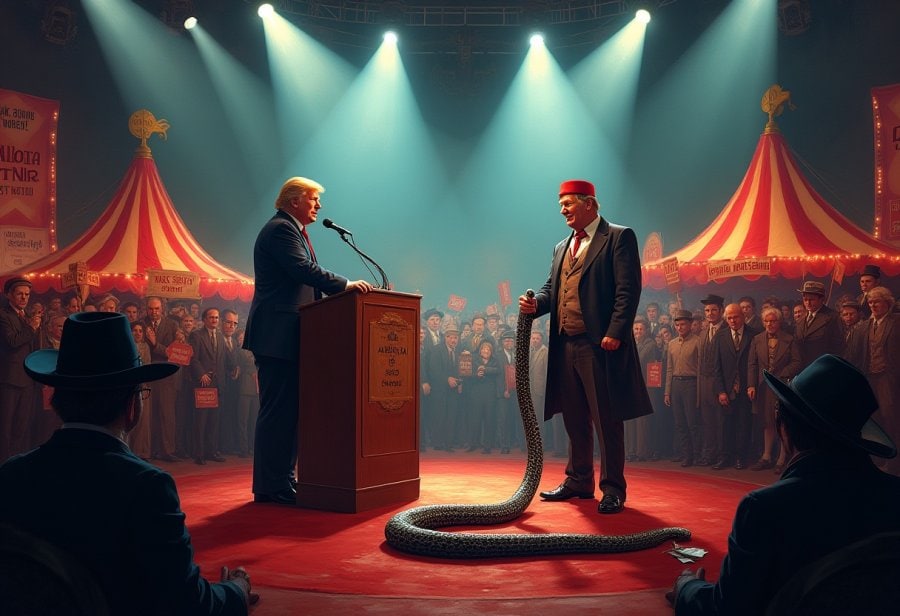
The Cultural Attraction to Miracles: Believing in Quick Fixes and Instant Outcomes
Society has a deep-rooted tendency to believe in miracle cures and quick fixes, and this isn’t just about gullibility. It stems from psychological needs that have persisted through centuries. When faced with pain, uncertainty, or suffering, people instinctively seek hope—something promising relief without the messiness or waiting involved in genuine solutions. Stories of miraculous recoveries, whether real or exaggerated, tap into this craving, making us feel that maybe, just maybe, there’s an easier way out.
Media and advertising reinforce this mindset constantly. They promise overnight transformations—weight loss in days, instant health breakthroughs, or magic solutions that require minimal effort. These narratives appeal because they align with our desire for immediate gratification. They encourage impatience with gradual progress or scientific nuance, pushing us toward ideas that seem to deliver quick results. This cultural messaging fosters a belief that big problems can be solved with minimal effort—an alluring shortcut.
Cultural stories also shape this belief system. Fairy tales, legends, and modern marketing all suggest that solutions can be found in a single pill, a clever trick, or a catchy slogan. It’s comforting to think that complex issues—like health, wealth, or social unrest—can be fixed with minimal effort. This simplifies what often feels overwhelming, providing a mental shortcut that feels safer and more manageable, even if it’s misleading.
In politics, spectacle and entertainment have become essential tools for connecting with voters. Leaders craft dramatic visuals, stirring speeches, and emotional appeals that promise solutions in a flash. These performances shift focus from detailed policies to memorable moments, making surface appearances more influential than substantive achievements. The emotional impact often outweighs factual accuracy, reinforcing the idea that quick fixes are both appealing and effective.
This predisposition isn’t harmless; it fuels the rise of charlatans and fake cures, eroding trust in science and institutions. The flood of sensational claims makes it harder to distinguish genuine progress from illusion. Over time, society becomes more comfortable accepting superficial solutions, even when they lack real substance, which hampers long-term progress.
Our desire for miracles is also tied to a craving for control. In a chaotic world, believing in a miracle cure offers reassurance, making it easier to hope for a quick fix than to accept that some problems require patience, effort, and nuance. This hope sustains illusions, even when evidence suggests otherwise. Recognizing this tendency helps us resist falling for easy answers and encourages critical thinking, so we can demand transparency and real solutions rooted in truth.
Authentic or Fake? The Power and Peril of Deception and Public Trust
Authenticity shapes how society judges trustworthiness and leadership. When someone appears genuine—showing vulnerability, consistency, and a real connection—they tend to earn loyalty quickly. People want to believe their leaders are honest and relatable, making authenticity a powerful tool. But deception often mimics these qualities, blurring the line between truth and fiction. Charismatic figures who master the art of illusion can create convincing facades, making followers believe they’re authentic even when they’re not.
Society’s tolerance for deception grows when it reinforces existing beliefs or fears. When a leader or figure seems to understand what people want to hear, they craft a convincing veneer of sincerity. Over time, repeated exposure to staged authenticity erodes trust in genuine institutions and leaders, fueling skepticism. This cycle weakens critical judgment, leaving the public more vulnerable to manipulation and surface-level trust.
The story of snake oil exemplifies this dynamic. Once a genuine remedy brought by Chinese railroad workers, it was transformed into a symbol of deception through exaggerated claims and theatrical marketing. The myth outlived the reality, illustrating how storytelling and spectacle can distort truth and cement legends that persist long after factual accuracy fades. This history reminds us how easily perception can overshadow substance.
Charismatic leaders often excel at crafting an appearance of authenticity—emphasizing shared values and personal stories—that resonates deeply. They employ theatrical staging, emotional storytelling, and relatable language to foster a sense of connection. This deliberate performance builds loyalty rooted more in feelings than facts, turning surface appearances into perceived trustworthiness.
When trust is based on illusions rather than facts, society risks elevating superficial leaders and superficial solutions that lack real substance. Over time, genuine progress becomes harder to recognize, and cynicism increases. Distinguishing true authenticity from staged performance is crucial. Promoting transparency, media literacy, and critical thinking helps ensure trust is earned through honesty, not illusion.
Decoding the Public’s Fascination with Charisma and Spectacle
Americans have a deep-rooted fascination with charismatic figures and spectacle, driven by fundamental psychological and cultural needs. In times of uncertainty or chaos, people instinctively seek connection and reassurance, which charismatic leaders often provide through confidence, warmth, and relatability. Spectacle amplifies this effect, transforming political rallies and public appearances into memorable performances that stir strong emotions and foster a sense of unity. These dramatic displays create emotional bonds that often overshadow the complexity of real issues, making supporters more receptive to simple stories and solutions.
This attraction isn’t just about individual personalities; it’s intertwined with symbols and narratives that tap into collective hopes and fears. Charismatic figures often embody shared values or defiance, turning their persona into a symbol of hope or resistance. Their storytelling makes abstract problems feel personal and urgent, deepening loyalty and emotional investment. Spectacle—through rallies, media, or social platforms—serves as visual and emotional cues that reinforce these narratives, creating a sense of authenticity and immediacy.
Cultural stories amplify this pattern, depicting leaders as saviors capable of fixing what’s broken with a single gesture or bold declaration. From the fiery orator of the 19th century to modern celebrity politicians, figures who combine charm with theatrics consistently captivate audiences. This pattern feeds a collective desire for certainty and control, especially in unpredictable times. Spectacle and charisma act as shortcuts, simplifying complex issues into digestible, emotionally charged moments that feel manageable.
Support for these figures often relies more on surface appearances than on policy or substance. When leaders deliver memorable, emotion-filled moments, they craft an illusion of authenticity that resonates deeply, even if it’s carefully staged. This dynamic transforms political success into a performance, where emotional engagement outweighs factual accuracy. Recognizing this tendency helps explain why Americans are so drawn to spectacle and charismatic figures, despite the risks of superficiality.
Ultimately, this fascination reflects a universal human instinct: in turbulent times, we seek reassurance and control. Charisma and spectacle promise that, offering fleeting relief from chaos. Understanding this dynamic enables us to look beyond the surface, questioning whether what we see is genuine or just a well-crafted performance designed to keep us hooked. It reminds us to seek deeper truth beneath the spectacle, fostering a more discerning perspective.

Guiding the Heart and Mind: Navigating Genuine Progress in a World of Illusions
In a world dominated by spectacle and emotional appeals, learning to distinguish genuine solutions from illusions is more vital than ever. Charismatic figures and flashy promises can be powerful tools, but they don’t always lead to meaningful progress. Developing a keen sense of discernment—recognizing exaggerated claims, the absence of evidence, and emotional manipulation—allows us to cut through the noise. Demanding transparency and proof helps ensure that our support is rooted in facts, not just captivating stories.
Real solutions often require patience, effort, and a willingness to confront complexity. They may lack the instant gratification of a catchy slogan or dramatic rally, but they are backed by science, evidence, and careful analysis. Cultivating critical thinking isn’t about distrusting everything; it’s about asking questions, seeking clarity, and refusing to accept surface-level answers. When we demand substance over spectacle, we strengthen our ability to support policies and leaders committed to genuine progress.
Leaders and advocates can harness the power of storytelling and spectacle responsibly—using emotion to inspire and motivate without deceiving. Authenticity should be the goal, emphasizing transparency and facts while engaging hearts and minds. By valuing honesty over performance, we create an environment where trust is earned through integrity, not illusion. This shift encourages a culture of accountability that benefits everyone.
Navigating this landscape requires effort and awareness. It involves resisting the allure of quick fixes and embracing the often less glamorous but more sustainable path—solutions rooted in patience, nuance, and evidence. Supporting genuine progress may lack the immediate impact of a grand rally, but it builds a foundation of trust and effectiveness that endures. Staying vigilant and questioning surface appearances empowers us to choose truth over illusion and foster a society that values real change over captivating deception.