Underground street racing is more than a adrenaline-fueled clash of machines; it’s a clandestine brotherhood rooted in loyalty, rebellion, and shared identity. From the neon-lit back alleys to digital communities, racers forge bonds that run deeper than speed, built on trust, rituals, and mutual support. Their vehicles—ranging from turbocharged sedans to muscle cars—serve as symbols of allegiance, each modification a badge of pride. Despite increasing law enforcement crackdowns and technological advancements, the scene demonstrates resilience through innovation and secrecy, maintaining an unbreakable sense of community. As the future beckons with smarter tech and global connectivity, the core values of loyalty and brotherhood endure, fueling a culture that adapts but never abandons its rebellious heart. Will the relentless drive for speed and kinship continue to thrive in the shadows, or will external pressures finally crack the code of their high-octane world?
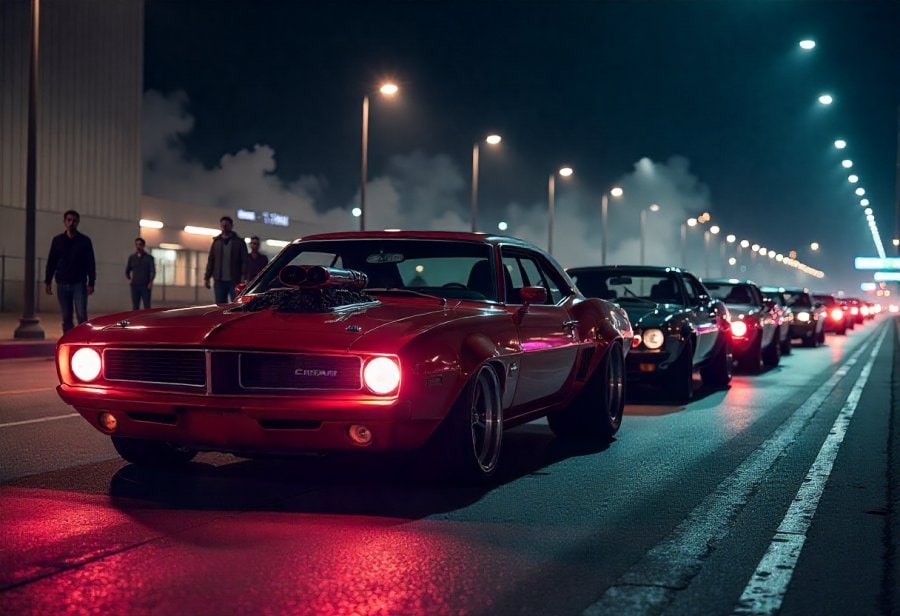
Unveiling the Rebellious Heart of Underground Street Racing
Underground street racing isn’t just about hitting top speeds; it’s a vibrant and rebellious part of urban culture that thrives in secrecy. These races happen on quiet, dimly lit streets far from the public eye, often on back alleys, abandoned lots, or secluded neighborhoods. For many in cities with a strong car scene, underground racing is more than a thrill—it’s a way to carve out a space for self-expression and defiance against authority.
This scene isn’t solely about adrenaline. It’s about community—an unspoken brotherhood built on loyalty, trust, and shared passion. Racers see each other as more than rivals; they become part of a high-octane family. Respect and camaraderie are exchanged in rituals, secret signals, and through the trust that develops over countless late-night meets. These bonds are reinforced not just on the streets but through a collective identity rooted in rebellion and resilience.
The cars themselves tell stories of dedication and pride. Modified for speed and style, these vehicles range from turbocharged sedans to muscle cars with custom paint and tuning. Each upgrade is a badge of loyalty, a personal statement of identity and crew allegiance. Night racing adds an extra layer of thrill, with darkness providing cover and heightening the danger, turning each race into a ritual of living on the edge.
Secrecy remains central to the scene’s mystique. Races are often organized through word-of-mouth, encrypted online groups, or discreet meet spots. Despite police crackdowns and increasing regulation, racers adapt by choosing remote locations, using signal jammers, or racing during odd hours. Their resilience keeps the culture alive, driven by a shared love of speed and brotherhood that refuses to fade.
Over the years, underground racing has evolved from spontaneous street meets into a complex subculture influenced by media, music, and fashion. Films like *The Fast and the Furious* romanticized its danger and allure, turning it into a global phenomenon. Today, digital platforms connect communities across borders, allowing racers to share tips, showcase cars, and organize secret events—all while maintaining their secrecy and independence.
At its core, underground street racing is about more than just cars and speed; it’s about forging bonds that run deeper than the asphalt. The loyalty, rituals, and shared experiences create a resilient culture that endures despite external pressures. It’s a scene fueled by rebellion, brotherhood, and a relentless drive to push limits—where community and identity are as important as the race itself.
Tracing the Roots: The Origins and Evolution of Street Racing Culture
Underground street racing has deep roots that trace back to urban neighborhoods where car culture and rebellion naturally intertwined. It all started in the 1960s and 70s, when young enthusiasts began modifying their cars simply to outpace rivals on city streets. These early races weren’t organized events but spontaneous gatherings driven by the thrill of speed and a desire to stand out. As word spread, these clandestine meetups grew into tight-knit communities bonded by shared passion and a shared defiance of authority.
Media has played a significant role in shaping the mythology of underground racing. Movies like *The Fast and the Furious* romanticized the scene, portraying its glamour, danger, and rebellious spirit. Hip-hop music adopted racing imagery, turning it into a symbol of ambition and loyalty. These cultural influences transformed street racing from a local thrill into a global phenomenon, embedding it into urban identity and street style. For many, it became more than a hobby; it became a statement of identity.
As technology advanced, so did the vehicles. Racers started using turbochargers, custom electronics, and sleek body kits to push performance and style further. This evolution turned street racing into a high-stakes subculture, where innovation and personalization became essential. Legendary figures and iconic races emerged, fueling the scene’s mystique and inspiring new generations. Urban legends of daring escapes and lightning-fast sprints added to the rebellious reputation of underground racing.
The scene’s grassroots origins are rooted in abandoned lots, quiet backstreets, and underground garages—spaces where young drivers could race free from legal interference. Respect and loyalty became the currency of these communities, often more valued than victory itself. Drivers fiercely protected their turf, passing down unspoken rules and rituals that reinforced bonds. For many, cars weren’t just machines—they symbolized loyalty, identity, and defiance, embodying their commitment to the crew and culture.
Today, digital platforms and social media continue to shape underground racing. Online forums, encrypted groups, and viral videos connect racers across cities and countries, sharing tips and organizing secret events. Despite crackdowns and tighter regulations, the culture persists through resilience and innovation. Racers develop new strategies—remote locations, signal jammers, late-night runs—to stay ahead of authorities, demonstrating a fierce drive to keep their brotherhood alive.
The roots of underground street racing remain firmly planted in rebellion and community. While technology and media have evolved, the core values—speed, loyalty, brotherhood—remain unchanged. This ability to adapt without losing identity ensures the scene’s survival. As long as racers prioritize trust, respect, and innovation, the high-octane brotherhood will continue to thrive, fueled by a shared love for speed and the unbreakable bonds that define it.
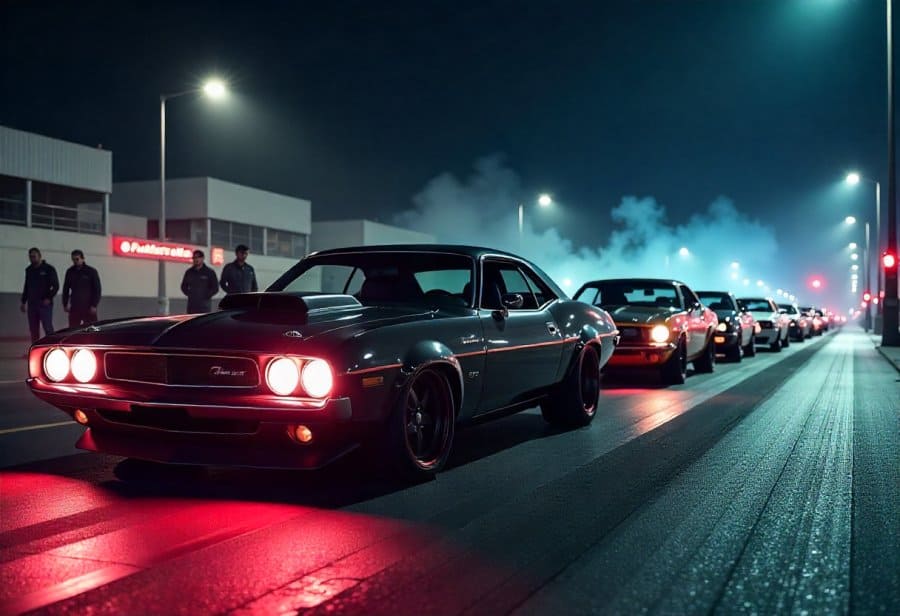
The Modern Pulse: How Today’s Street Racing Embraces Innovation and Resilience
Today’s underground street racing scene is more vibrant and diverse than ever, despite mounting pressure from law enforcement and urban development. Racers now rely heavily on digital communities—encrypted messaging apps, online forums, and secret social media groups—that facilitate discreet organization of races and meetups. These platforms allow racers to share tips, showcase their modified cars, and coordinate events without attracting unwanted attention, keeping the culture alive in the shadows.
The vehicles used in these clandestine races cover a broad spectrum. From turbocharged Honda Civics and Subaru WRXs to muscle cars with custom paint and performance upgrades, each car tells its own story. Modifications go beyond performance—they symbolize loyalty and crew identity. Racers invest heavily in aftermarket parts, electronic tuning, and aesthetic touches, turning their machines into personal expressions of style and allegiance.
Respect and safety have gained more emphasis in recent years. Many crews now organize controlled meetups to hone skills and reduce hazards, promoting responsible modifications and cautious driving. Still, the core adrenaline-fueled thrill—living on the edge and defying authority—remains central to the scene’s rebellious spirit. This blend of excitement and caution helps sustain the culture amid increased scrutiny.
Despite ongoing crackdowns, the scene shows remarkable resilience. Racers develop creative strategies to stay ahead of law enforcement, such as choosing remote locations, using signal jammers, or racing during late hours. The high level of trust within crews is reinforced through secret signals, rituals, and passed-down customs, creating a tight-knit community that values loyalty and brotherhood above all.
The culture continues to evolve, balancing innovation with tradition. Electronic tuning, hybrid technologies, and portable safety gear are becoming more common, allowing racers to push limits while managing risks. These advancements reflect a growing awareness of the importance of longevity and responsibility, ensuring the scene’s sustainability without sacrificing its rebellious core.
New generations bring fresh tactics and ideas, but the fundamental bonds of trust and shared passion remain unchanged. Digital tools enhance connectivity across cities and borders, fostering a global brotherhood rooted in speed and loyalty. As authorities tighten restrictions, racers adapt by refining their rituals and maintaining their secret meeting spots, demonstrating their unwavering commitment to their underground family.
In the end, the enduring appeal of underground street racing lies in its ability to adapt without losing its essence. The culture’s resilience stems from a deep sense of community, respect, and innovation. As long as the love for speed and brotherhood persists, this high-octane world will continue to thrive in the shadows, fueled by rebellion and an unbreakable kinship that runs deeper than the asphalt.
Brotherhood on the Streets: Building Bonds Through Speed, Loyalty, and Rituals
Underground street racing goes far beyond the pursuit of speed; it’s a tight-knit community built on trust, loyalty, and shared passion. At its core, it’s about forging genuine bonds that run deeper than the asphalt. Many racers speak of late-night sessions working on cars together, where collaboration turns into brotherhood. These moments of teamwork and mutual support lay the foundation for relationships that often last a lifetime.
Modifying and tuning cars isn’t just a technical skill—it’s a shared ritual that strengthens connections. Racers exchange parts, swap secret techniques, and help each other install upgrades. These acts of trust foster a sense of belonging, transforming individual drivers into members of a crew. Loyalty becomes the currency that keeps these relationships strong, creating a high-octane family united by common goals and shared sacrifices.
Night racing intensifies these bonds. The risks, adrenaline, and secrecy forge friendships that are often forged in the heat of the moment. Many recount stories of lifelong friendships born during late-night runs, where unspoken understanding and reliance on one another are essential. Crews depend on each other not just for racing, but for emotional support and protection from external threats. This shared life on the edge cements a kinship that’s fiercely guarded and deeply rooted.
Traditional rituals and signals serve as the cultural glue that keeps crews connected. Small gestures—like secret handshakes, coded messages, or specific routines—are passed down from generation to generation. These customs reinforce a sense of continuity, history, and trust. Celebrating wins together or mourning fallen members together further deepens the community’s bonds. These traditions aren’t just symbols—they’re the lifeblood of the high-octane family.
The bonds formed in garages, on streets, and during clandestine races extend beyond the immediate thrill. They create a resilient network of loyalty and respect that withstands external pressures, crackdowns, and changing times. Even as authorities crack down and regulations tighten, the culture’s core remains intact, carried forward by shared stories and unspoken codes.
This sense of kinship fuels a culture that’s as much about emotional connection as it is about cars and speed. It’s a space where trust is earned and maintained through shared experiences, sacrifices, and a common love for the game. The underground racing scene embodies a unique blend of rebellion and brotherhood, where every member feels like part of something bigger than themselves.
Ultimately, the social fabric of street racing is what keeps it alive. It’s a testament to how a passion for speed can forge bonds that are unbreakable, creating a community defined not just by their vehicles but by loyalty, respect, and a shared identity. This sense of family, built in secrecy and forged in fire, ensures that underground racing’s spirit endures across generations, thriving in the shadows but never alone.
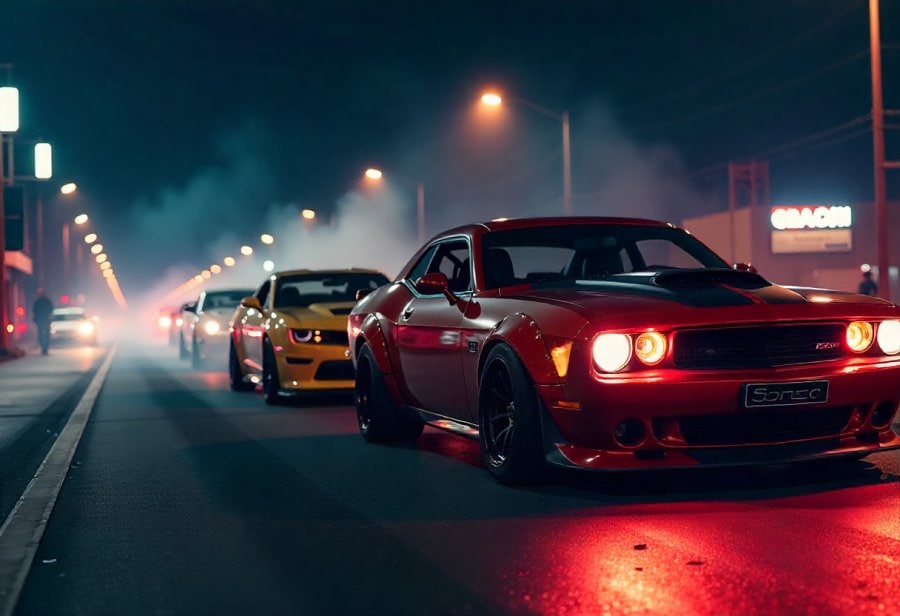
Gazing Forward: Navigating the Future of Underground Racing and Its Unbreakable Kinship
Looking ahead, the future of underground street racing and its brotherhood will be shaped by a mix of technological innovation and persistent challenges. Advances in automotive tech—such as smarter electronics, electric drives, and hybrid systems—promise to push performance to new heights while offering potential safety improvements. These tools may help reduce some of the dangers inherent in high-speed street racing, but they also demand quick adaptation and a willingness to learn—traits that have always defined this culture. As technology evolves, so does the scene’s capacity to stay ahead of the curve.
Digital platforms will become even more central to keeping the community connected. Encrypted messaging apps, online forums, and secret social media groups will facilitate discreet organization and sharing of tips, cars, and race details across borders. This increased connectivity will strengthen the global brotherhood, turning underground racing into a worldwide movement rooted in speed, loyalty, and shared rebellion. But with greater visibility comes heightened scrutiny from law enforcement, prompting racers to develop smarter ways to stay discreet—using remote locations, signal jammers, or racing during odd hours.
At the same time, authorities are deploying more sophisticated surveillance and enforcement tools, making it harder for the scene to operate openly. This tension pushes the culture further underground, where secrecy and loyalty become even more vital. Racers are responding by passing down unspoken rules, developing new signals, and choosing trusted meeting spots, ensuring their bonds remain unbroken despite external pressures. Their resilience hinges on their ability to innovate without sacrificing the core values of loyalty and brotherhood that define them.
Modifications will also shift toward prioritizing safety and discretion. Electronic tuning, hybrid systems, and portable safety gear will become more common, allowing racers to push limits while managing risks better. This balance between adrenaline and responsibility aims to sustain the scene long-term, ensuring it remains vibrant without losing its rebellious edge. New generations will bring fresh ideas and tactics, but the foundational bonds—trust, respect, and shared passion—will stay constant, guiding the evolution of this high-octane brotherhood.
In the end, the enduring spirit of underground street racing depends on its ability to adapt while holding tight to its roots. The bonds forged through speed, loyalty, and shared risk create a resilient community that can withstand external pressures and technological shifts. As long as racers prioritize trust and innovation, this underground pulse of rebellion and kinship will continue to thrive, fueled by a relentless drive to race, connect, and preserve what makes their culture uniquely their own.
