Mastering calm dog walking transforms routine outings into meaningful bonds rooted in trust, patience, and mutual respect. But how do you navigate the chaos of busy streets, distractions, or reactive behaviors that threaten this harmony? This guide reveals that success hinges on clear communication, positive reinforcement, and gradual exposure to varied environments. Techniques like teaching the “heel” command, using gentle tools, and monitoring progress turn potential setbacks into stepping stones. Is your dog ready to learn that walks aren’t just about manners—they’re shared moments of confidence and connection? Beyond obedience, these routines cultivate resilience and deepen the human-animal bond, yet real-world challenges demand adaptability and patience. As you implement these proven strategies, you’ll discover that a calm, focused walk isn’t just a goal—it’s a gateway to a happier, safer, and more harmonious life together.
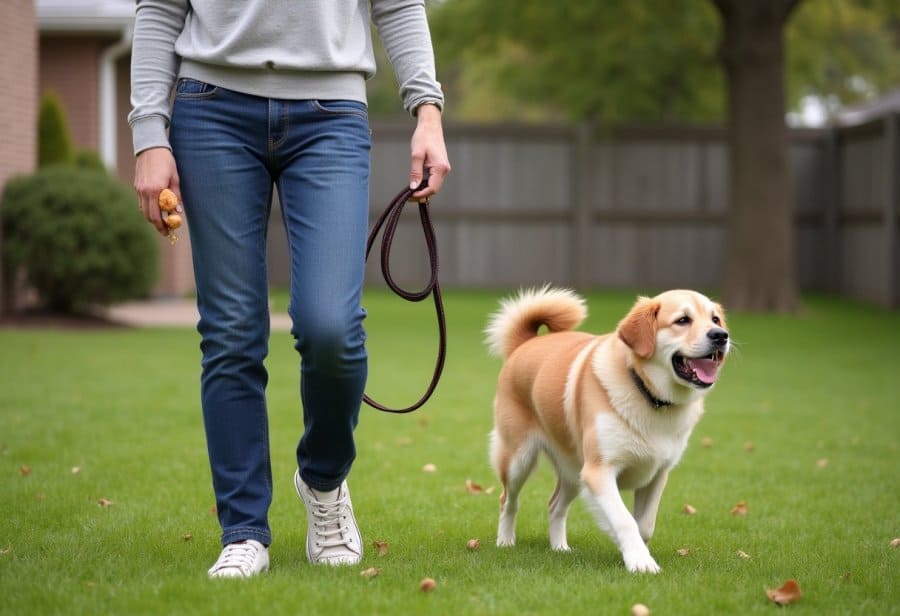
Begin Your Journey to Peaceful Dog Walks: Building Trust and Harmony
Walking calmly with your dog might seem simple, but it’s actually one of the most meaningful steps you can take to strengthen your bond. When your dog learns to walk beside you in a relaxed, focused manner, everyday outings become more than just routine—they turn into shared moments of trust and harmony. This calm approach isn’t just about manners; it’s about creating a peaceful rhythm that makes walks enjoyable and safe for both of you.
The benefits extend beyond politeness on the leash. A relaxed walk helps prevent pulling that could cause injuries or accidents. It gives you better control, making it easier to steer clear of traffic or off-leash surprises. Over time, this steady routine builds trust, making your dog more responsive and confident in different environments. As your walks become calmer, so does your relationship, deepening mutual understanding.
Achieving this calm takes patience and consistent practice. It’s not about perfection overnight but about steady progress. Reinforcing good behavior with treats and praise helps your dog understand what’s expected without harsh corrections. As routines become familiar, your dog starts to see walking calmly as a rewarding experience, transforming what once felt like a chore into a shared success.
Setting realistic expectations is key. Small steps—gradually exposing your dog to new distractions and rewarding focus—lead to big improvements. Remember, every bit of progress counts and lays the foundation for more peaceful, enjoyable outings. With gentle persistence, your dog will become more relaxed and eager to walk in harmony with you.
This journey is about more than obedience; it’s about building mutual respect and trust. As your dog learns to stay centered and calm, your relationship deepens. Calm dog walking becomes a shared experience rooted in patience and consistency—setting the stage for a lifelong bond built on trust and harmony.
Core Principles of Calm Leash Walking: Trust, Communication, and Positive Reinforcement
Understanding the core ideas behind calm dog walking is essential before diving into specific techniques. At its heart, this practice hinges on clear communication and mutual trust. Key concepts like the “heel command” serve as cues that tell your dog to walk close beside you with a relaxed, attentive posture. When your dog responds correctly, it signals confidence and focus, laying the foundation for calmness on the leash.
Modern leash training emphasizes positive reinforcement—rewarding good behavior with treats, praise, or gentle petting—rather than harsh corrections. This approach encourages your dog to associate walking calmly with positive outcomes, which builds security rather than fear or resistance. As trust grows, your dog becomes more responsive and eager to stay focused, making leash manners easier to establish.
The idea of calm dog walking is that your dog should trust your leadership and feel safe under your guidance. When they walk beside you without pulling or reacting to distractions, it’s a sign they feel secure and confident. Building this trust involves consistency, patience, and gentle guidance, not force or dominance. Over time, your dog learns to stay focused on you instead of reacting impulsively to external stimuli.
Clear cues, positive reinforcement, patience, and mutual respect are the pillars of effective leash training. Tailoring your approach to your dog’s personality, energy level, and sensitivities ensures a smoother process. Recognizing their unique needs helps you create routines that foster a trusting partnership, rather than mere obedience.
These fundamental principles aren’t just about training; they’re about creating a bond rooted in understanding. When your dog trusts you and feels secure, walks become shared experiences of harmony. This trust makes every step more natural and relaxed, transforming routine outings into moments of mutual joy.
By internalizing these core ideas, you set the stage for successful training that lasts. Your dog’s confidence and calmness on the leash will grow as you reinforce positive behaviors consistently. With patience and dedication, you’ll find that calm dog walking becomes an enjoyable part of your daily life together.
Ultimately, understanding these principles helps you avoid common pitfalls like frustration or confusion. Instead, you’ll develop a steady, effective routine that your dog can rely on. This foundation of trust and clear communication ensures every walk is a peaceful, bonding experience, making your journey toward calm leash manners both rewarding and achievable.
Step-by-Step Techniques to Achieve Calm and Controlled Walks
Mastering calm dog walking starts with establishing a reliable heel command. Teaching your dog to walk closely beside you with a relaxed posture creates a strong foundation of focus and ease. Begin with short, consistent training sessions, rewarding your dog immediately when they stay in the correct position. Using treats or praise reinforces that walking beside you is a positive experience, encouraging your dog to repeat the behavior.
Addressing common challenges like pulling or reacting to stimuli requires strategic responses. When your dog pulls ahead, stop walking and gently call them back, rewarding them when they return to your side with slack on the leash. If they react to sights or sounds, introduce these distractions gradually in controlled environments, rewarding calm behavior at each step. Using tools like a well-fitted harness or front-clip leash can help improve control and comfort, making training more effective and less stressful for your dog.
Incorporating techniques like clicker training can accelerate progress by marking desired behaviors instantly. Keep training sessions short and frequent to maintain your dog’s engagement and prevent frustration. Gradually increase distractions as your dog becomes more confident and focused, building resilience in real-world settings. Consistency in commands, routines, and rewards is key to reinforcing calm leash manners.
Positive reinforcement remains central. Every calm walk and responsive command should be rewarded immediately with treats, praise, or gentle petting. Harsh corrections or yanks tend to create resistance and anxiety, hindering progress. Instead, shape your dog’s behavior through gentle guidance, celebrating small wins along the way.
Practicing in different environments prepares your dog for real-life situations. Start in quiet neighborhoods and slowly introduce busier areas, always reinforcing calm behavior. This step-by-step approach helps prevent overwhelm and builds your dog’s confidence to stay focused, no matter where you walk. With patience and persistence, these techniques will turn walks into peaceful, bonding experiences rooted in trust and harmony.
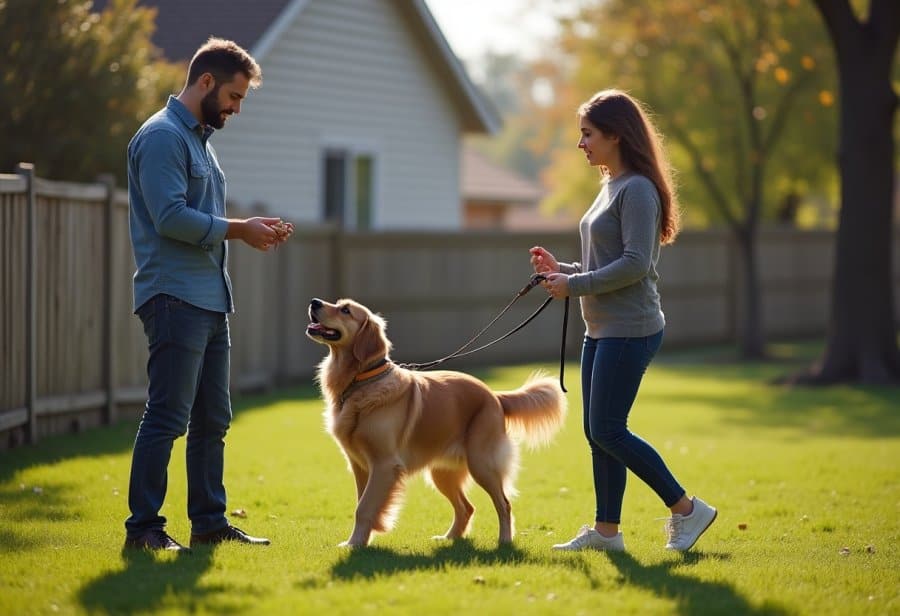
Real-World Scenarios: Applying Calm Walking Techniques in Everyday Life
Calm dog walking really shines when you apply it to everyday scenarios, turning potentially hectic moments into peaceful, even enjoyable experiences. In busy urban environments with honking cars, bustling crowds, and constant movement, practicing the heel command and rewarding your dog for staying focused can make a noticeable difference. When your dog learns to ignore the chaos and walk calmly beside you, it not only keeps them safe but also makes the walk more pleasant for both of you. This steady, calm approach helps prevent pulling or reactive behaviors that often happen in stimulating settings.
Parks and outdoor spaces with other dogs, children, or wildlife can be overwhelming for some dogs. Applying leash manners here—such as reinforcing calm behavior when passing other animals or ignoring distractions—builds your dog’s confidence. Over time, they’ll become less reactive and more focused on you, transforming outdoor adventures into bonding moments instead of stressful encounters.
Crowded streets or busy events can challenge your patience, especially if your dog tends to pull or become anxious. Maintaining a steady pace and reinforcing calm habits helps your dog feel more secure amidst the noise. Bringing treats or toys for distraction, and rewarding calmness throughout the walk, encourages your dog to stay centered despite the chaos. These techniques make overwhelming moments manageable, turning them into opportunities for growth.
Breaking routines into manageable steps makes a big difference in daily walks. Starting in quiet neighborhoods and gradually introducing more distractions helps your dog develop resilience and focus. Consistent commands and positive reinforcement create a predictable routine your dog can trust, making walks smoother and more peaceful. These real-world applications show that calm leash training isn’t just for training sessions—it’s essential for everyday life.
Practicing regularly in different environments helps your dog build confidence and focus, no matter where you go. The more you expose them to varied settings, the better they handle real-life situations calmly. This not only improves behavior but also deepens your bond, turning walks into shared moments of trust and connection. With patience and steady effort, peaceful leash walking becomes a natural part of your daily routine, enriching your life together.
Budgeting for Success: Costs of Equipment, Classes, and Ongoing Support
Training your dog to walk calmly alongside you involves some upfront costs, but understanding these expenses helps you plan effectively. Basic gear such as sturdy leashes, comfortable harnesses, and treats for reinforcement are essential and generally affordable. A basic leash can start around $10, while a quality harness might run between $20 and $30. Investing in specialized tools like front-clip harnesses or training collars may cost more initially but can make training smoother and more comfortable for your dog, often paying off in better results.
If you choose to join professional classes or hire a trainer, prices can vary widely. Group sessions typically range from $50 to $150 per course, offering a cost-effective way to learn foundational skills. Private lessons tend to be more expensive, sometimes exceeding $200 per session, but they provide personalized guidance tailored to your dog’s specific needs. These investments often accelerate learning, helping your dog master calm leash manners faster and reducing frustration for both of you.
Ongoing expenses also include treats, training aids, and occasional coaching to reinforce good habits. Quality treats and toys are relatively inexpensive but crucial for positive reinforcement. Replacing worn-out gear or trying new training tools over time ensures your dog remains engaged and motivated. Budgeting for these supplies keeps your training routine consistent and effective, helping maintain progress.
Remember, while initial costs might seem significant, they’re investments in creating a happier, more harmonious relationship with your dog. Well-chosen equipment and professional support can prevent setbacks and make training sessions more enjoyable. This proactive approach not only saves time but also reinforces the calm, confident leash manners you’re working to establish, making everyday walks more peaceful and bonding.
Tracking Progress: How to Monitor and Adjust Your Training Strategy
To successfully implement your training plan, consistency is essential. Establishing a daily routine that includes short, focused sessions on commands like “heel” and “sit” helps your dog understand expectations and build lasting habits. Repetition reinforces learning, so aim for regular practice and keep sessions engaging but brief to prevent fatigue. Keeping a simple training journal or using an app to track each session’s progress can help you spot patterns, identify what works best, and adjust your approach as needed.
Monitoring your dog’s responses during walks is key to measuring progress. Watch for small improvements, such as fewer pulls, quicker responses to commands, or calmer reactions to distractions. These signs indicate your training is taking hold. If your dog seems stuck or distracted, don’t push too hard; instead, revisit earlier steps, reduce the environment’s stimuli, or take a short break to reset. Patience allows your dog to learn at their own pace and prevents setbacks caused by frustration.
Adjustments are natural and necessary. If a particular method isn’t producing results, try different treats, change the timing of rewards, or modify your environment gradually. Flexibility keeps your dog engaged and prevents boredom or resistance. Celebrate small wins along the way, as these boost your motivation and reinforce that progress is happening, even if it’s slow.
Setting clear, achievable goals helps keep you focused. For instance, aim for your dog to walk without pulling for a specific distance before gradually increasing it. Break larger objectives into smaller milestones and recognize each success. Consistent routines, involving everyone who walks your dog, reinforce good habits and ensure your training remains cohesive.
Tracking progress over time makes a real difference. Regularly reviewing your training notes helps you see how your dog is improving and where to focus more effort. It also provides motivation during challenging phases, reminding you that steady work leads to steady results. Remember, patience and persistence are your best tools.
Every dog learns differently, so be ready to adapt your approach. If your dog struggles with certain distractions or commands, modify your training environment or techniques accordingly. This flexibility keeps your dog motivated and prevents frustration from building up. Recognize setbacks as part of the process—each one is an opportunity to strengthen your bond and reinforce training.
Finally, maintaining a positive attitude and celebrating each small step forward will build your confidence and deepen your connection. Consistent monitoring and thoughtful adjustments turn training from a chore into a rewarding experience. With patience, persistence, and a clear plan, you’ll see your dog become more focused, relaxed, and eager to walk calmly by your side, transforming your daily outings into shared moments of success and trust.
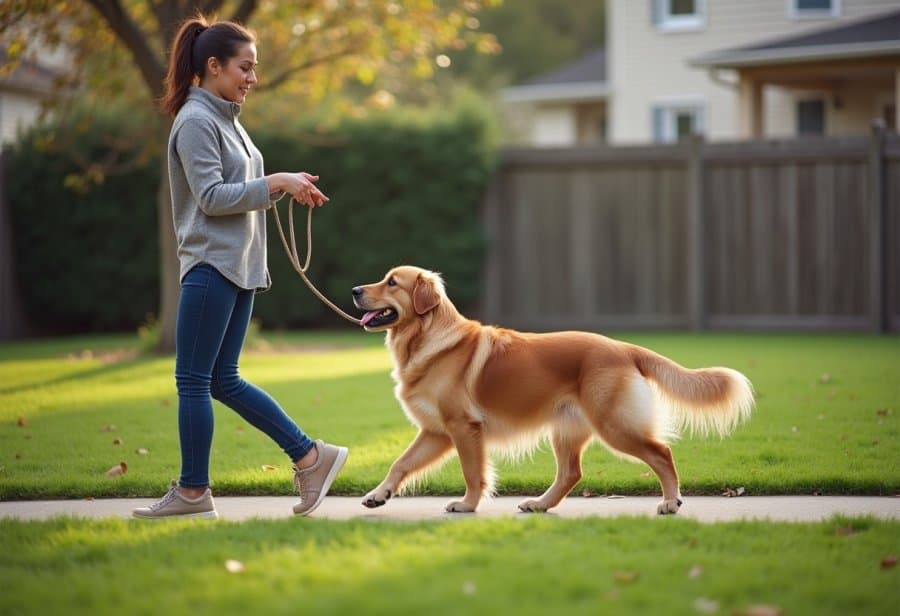
Preparing for Challenges: Managing Risks and Staying Calm Under Pressure
Training your dog to walk calmly can sometimes lead to unexpected challenges, especially when unforeseen situations arise. Recognizing common risks early helps you stay prepared and prevent unnecessary frustration. For example, leash reactivity—where your dog reacts strongly to other dogs, people, or loud noises—can be a major hurdle. Environmental distractions like sudden movements or unfamiliar scents might trigger pulling or lunging, turning a routine walk into a stressful ordeal.
When your dog begins to react strongly, remaining calm is key. Instead of rushing or yelling, gently redirect their attention with commands like “look at me” or offer treats to refocus. Pausing briefly until they settle teaches patience and reinforces that calmness is what earns rewards. Planning routes and choosing quieter times for walks can significantly reduce overwhelming stimuli, helping your dog stay composed and confident. Gradually exposing your dog to more stimulating environments in controlled steps builds resilience without setbacks.
Having a contingency plan for setbacks makes a big difference. If your dog pulls or gets distracted, calmly stopping and waiting until they relax reinforces good behavior. Using tools like a well-fitted harness or front-clip leash can enhance control and comfort, easing training efforts. Remember, setbacks are part of the process—view them as opportunities to reinforce what your dog has learned rather than failures. Patience and consistency turn these moments into stepping stones for progress.
Support from professional trainers or online resources can be invaluable when facing persistent issues. Tailored advice helps address specific reactive behaviors, while quick tips from reputable sources can provide immediate strategies. Keep in mind that no dog masters calm leash walking overnight. Steady, patient effort—especially during challenging moments—builds your dog’s ability to stay focused and relaxed in various environments.
Staying composed and adaptable in unpredictable situations strengthens your leadership and fosters trust. Focus on what you can control—your reactions, route choices, and routines—which helps your dog feel secure. If a walk becomes too overwhelming, it’s okay to pause and try again later. Every challenge managed with patience and calmness reinforces your bond and helps your dog develop the resilience needed for peaceful, confident walks.