What if true strength doesn’t stem from external power or conquest but from mastering oneself? Marcus Aurelius exemplifies this radical idea, demonstrating that inner discipline—guided by virtues like wisdom, humility, and resilience—can forge a more enduring legacy than any empire. His life invites us to reconsider leadership: is it more effective to command armies or to govern our own thoughts and emotions with calm authority? Through his writings in Meditations, he shows how daily practices like self-awareness, journaling, and mindful reflection cultivate resilience and moral clarity. This internal fortress enables us to face chaos, setbacks, and crises with unwavering composure, inspiring trust and loyalty in others. Could embracing inner discipline redefine what it means to lead or live authentically? Marcus’s example challenges us to prioritize inward strength as the foundation of authentic influence, suggesting that perhaps the most powerful leadership begins within.

Leadership’s Hidden Power: Inner Discipline Over External Conquest
Leadership often conjures images of outward displays—armies, victories, and territorial gains. We tend to think strength is measured by influence or dominance visible to others. But what if the true source of power isn’t about external achievements, but about mastering oneself? This question challenges our usual view of leadership and invites us to consider whether inner discipline might be the real foundation of genuine influence.
Marcus Aurelius exemplifies this idea. As Roman emperor, he ruled over a vast empire and faced constant turmoil—from wars and plagues to political unrest. Yet, his legacy endures not just through his political accomplishments, but because of his unwavering commitment to inner discipline. His writings in Meditations reveal a man who prioritized self-control, humility, and resilience—virtues that helped him steer through chaos with clarity and moral strength. For Marcus, leadership was less about external conquest and more about governing his own mind and emotions.
This focus on inner strength isn’t a modern invention. Stoic philosophy, which Marcus embraced wholeheartedly, teaches that virtues like wisdom, temperance, and courage form the core of true power. These qualities aren’t just lofty ideals—they’re practical tools for daily life. Cultivating wisdom helps us view situations clearly, temperance keeps impulses in check, and courage sustains us through adversity. When these virtues are woven into our character, they create a resilient internal empire that stands firm regardless of external circumstances.
Recognizing the importance of inner discipline shifts the emphasis from seeking external validation to fostering internal growth. It pushes us to develop patience, self-awareness, and resilience—qualities that form the bedrock of authentic leadership. Marcus’s life reminds us that the most lasting influence comes from mastering ourselves first, not from external victories. Inner strength becomes a quiet but powerful force, one that inspires trust and loyalty far more than superficial displays of power.
In today’s world, it’s easy to overlook this inner aspect amid the rush for visible success. Yet, history shows that true leadership arises from the ability to govern one’s own thoughts and emotions. Inner discipline doesn’t just support personal growth—it elevates our capacity to lead with integrity, calm, and purpose. By focusing inward, we build a foundation that can withstand any storm and leave a legacy rooted in genuine strength.
Building the Inner Fortress: Foundations of True Strength
Inner strength begins with the ability to govern ourselves—our emotions, thoughts, and morality—regardless of external chaos. It’s what allows us to stay steady in the face of adversity, recover from setbacks, and act in alignment with our core values. This kind of resilience isn’t about asserting dominance over others; it’s rooted in self-mastery and mental toughness. When cultivated, these qualities create a stable internal foundation that keeps us balanced, even when the world around us is unpredictable.
Philosophy, especially Stoicism, offers timeless guidance on developing this inner discipline. Marcus Aurelius emphasized virtues like wisdom, temperance, and courage as the pillars of true strength. These aren’t just lofty ideals but practical tools for everyday life. Wisdom helps us assess situations clearly and make thoughtful decisions. Temperance keeps impulses in check, preventing rash reactions. Courage sustains us through hardships, helping us face challenges with resilience. When these virtues become part of our character, they form an internal fortress that shields us from external turbulence.
From a psychological perspective, inner strength depends heavily on self-awareness—the honest recognition of our emotional triggers and thought patterns. Emotional regulation is key to maintaining composure during stress, preventing reactions driven by ego or impulse. Building a growth mindset, where setbacks are viewed as opportunities for learning rather than failures, further reinforces resilience. Combining self-awareness and emotional control creates a resilient core that supports us through life’s inevitable ups and downs, much like Marcus’s steady leadership amid crises.
Consistency is essential. Daily habits like mindfulness, journaling, or setting clear intentions serve as anchors for self-control and moral focus. These routines remind us of our priorities, helping us respond thoughtfully rather than react impulsively. Over time, such practices become second nature, transforming inner discipline from an abstract concept into an automatic response. This steady effort builds a resilient internal environment, enabling us to face adversity with calm confidence and clarity.
Understanding the roots of inner strength reveals that genuine power comes from within. Cultivating self-awareness and resilience not only guides our actions but also inspires trust and loyalty in others. Marcus Aurelius’s example shows that governing the mind and emotions with discipline creates a calm authority that endures beyond external achievements. By investing in daily practices that strengthen this inner core, we lay the groundwork for authentic leadership rooted in integrity, resilience, and moral clarity.
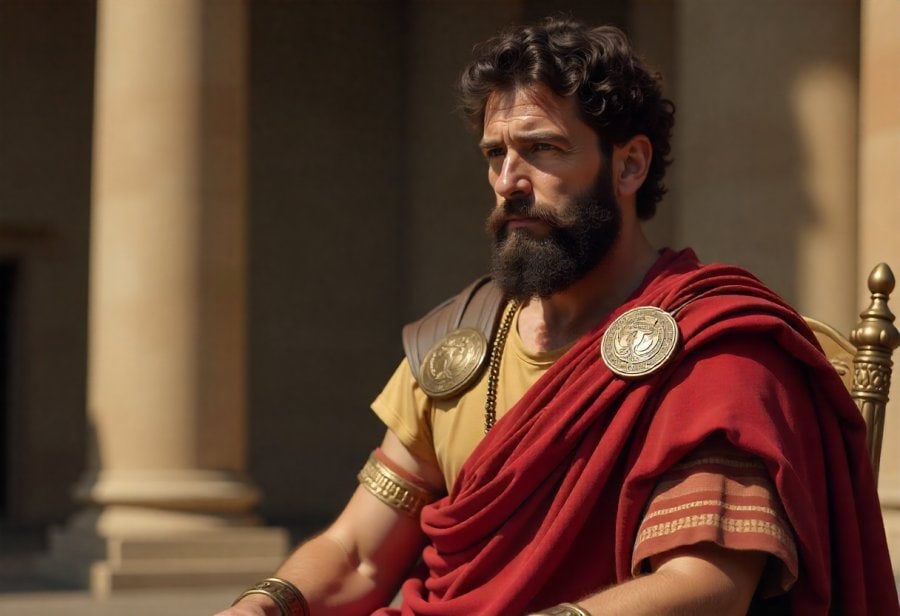
Mastering the Mind: Reflection and Resilience in Leadership
Inner discipline reveals itself most clearly in how leaders and individuals handle life’s inevitable challenges. It’s about maintaining a consistent effort to align actions with deeper values, especially when external pressures threaten to pull us off course. For leaders, this means staying calm and centered amid chaos, making decisions rooted in moral clarity rather than impulsive reactions. It’s the ability to keep a steady hand when circumstances become turbulent, inspiring trust and stability in others. Personal growth, similarly, depends on cultivating resilience—bouncing back from setbacks without losing sight of long-term goals—and developing self-awareness to recognize our strengths and weaknesses honestly. These qualities form the core of true inner strength, enabling us to navigate life’s storms with confidence and purpose.
Inner strength as true power isn’t about dominating others but about mastering ourselves. When we develop self-awareness, we better understand what triggers emotional reactions and how to manage them. This internal mastery fosters resilience, creating a mental toughness that helps us endure hardship without despair. Leaders who embody this resilience act from a place of authenticity and calm, which in turn inspires confidence in those they lead. Such consistency builds trust because it shows that their strength isn’t dependent on external circumstances but on a steady internal compass. This form of influence is more enduring than external victories, rooted instead in genuine integrity.
Marcus Aurelius exemplified this principle vividly. His writings in Meditations reveal a man constantly reflecting on how to govern his mind and emotions. Despite facing wars, plagues, and political unrest, he remained committed to inner discipline. His ability to stay composed amid chaos wasn’t accidental; it resulted from daily practice—reminding himself of virtues like patience, humility, and resilience. This internal focus made him a more effective leader, as his actions were guided by moral clarity rather than fleeting passions. His steady self-governance created a calm authority that inspired loyalty and admiration, even in the most turbulent times.
Resilience isn’t about ignoring difficulties but embracing them as opportunities for growth. Inner discipline prompts us to pause, reflect, and respond thoughtfully rather than react impulsively. This mindset transforms adversity into a catalyst for development, strengthening our mental fortitude over time. Leaders who cultivate resilience through daily habits—such as mindful reflection or deliberate patience—build a foundation that enables them to face future challenges with confidence. Over time, this internal strength becomes second nature, turning setbacks into stepping stones instead of barriers, and fostering a mindset that sees growth in every trial.
Self-awareness plays a crucial role in manifesting inner discipline. Recognizing our reactions, biases, and emotional patterns helps us make conscious choices instead of impulsive ones. It’s about observing ourselves honestly and without judgment, which cultivates humility and moral clarity. Leaders who develop this self-awareness navigate complex moral landscapes with discernment, inspiring others to do the same. Personal growth hinges on this ongoing process of honest reflection, gradually refining our inner compass. As we become more aware, we strengthen our capacity to govern ourselves, reinforcing resilience and moral integrity, and laying the groundwork for authentic leadership rooted in inner strength.
Practicing Inner Discipline: Daily Habits for Lasting Strength
Cultivating inner discipline in daily life begins with simple, consistent routines. Practices like journaling, mindfulness, and setting clear intentions each morning serve as anchors that reinforce self-awareness and moral focus. These habits act as gentle reminders of our core values, helping us respond thoughtfully when challenges arise rather than reacting impulsively. Over time, these small acts strengthen our mental resilience, making discipline feel more natural and integrated into our daily rhythm.
Resilience also grows when we learn to reframe setbacks as opportunities for growth. Instead of viewing failures as reasons to give up, see them as chances to practice patience and build mental toughness. When difficulties emerge, pausing to breathe and reflect allows us to choose responses aligned with our principles, transforming adversity into a catalyst for development. This mindset shifts us from being overwhelmed by obstacles to viewing them as stepping stones toward stronger inner strength.
Consistency remains key. Daily acts—resisting impulse, maintaining focus on goals, practicing patience—cement inner discipline into our character. These deliberate choices, repeated over time, create a resilient internal environment that guides us through stress and uncertainty. When disciplined responses become second nature, they reduce the need for forced effort and foster automatic reactions rooted in self-control. This steady practice turns inner discipline into an accessible, reliable force we can draw upon in any situation.
Leadership benefits greatly from this deliberate application of inner discipline. Setting clear boundaries, maintaining moral clarity, and engaging in regular reflection help leaders stay true to their principles amid external pressures. When leaders act from a place of self-awareness and resilience, they inspire trust and stability within their teams. Their calm presence during crises encourages others to follow suit, reinforcing a culture built on integrity and purpose. This internal steadiness becomes a powerful tool for guiding others through chaos.
Mindfulness during stressful moments offers an especially effective way to practice inner discipline. Taking a brief pause before reacting allows us to assess whether our response aligns with our values. Over time, this simple act strengthens our inner resolve, enabling us to maintain composure amid turmoil. When practiced consistently, mindful reactions become automatic, making resilience a default response rather than a forced effort. Coupled with journaling and reflection, these routines keep inner discipline active and evolving, ensuring it remains a vital part of how we lead and live.

Embrace Inner Power: A Call to Cultivate Resilience and Moral Clarity
Inner discipline remains one of the most powerful qualities a leader can develop, yet it often goes unnoticed in a world obsessed with external achievements. As Marcus Aurelius’s life illustrates, true strength isn’t measured by victories or influence alone but by mastering oneself first. This quiet resilience builds a foundation capable of withstanding any external chaos and inspiring genuine trust and loyalty in others.
Reflecting on Marcus’s example, it’s clear that his unwavering commitment to virtues like patience, humility, and resilience created a legacy that endures beyond fleeting external successes. His ability to govern his mind and emotions, even amid war, plagues, and political unrest, exemplifies that internal mastery outshines superficial displays of power. When we prioritize inner discipline, we forge a leadership style rooted in authenticity and moral clarity—qualities that stand the test of time.
Building this resilience isn’t about quick fixes or grand gestures. It’s a daily commitment—resisting impulsive reactions, staying aligned with our core values, and engaging in regular reflection. Small, consistent acts of self-awareness and discipline accumulate into a formidable inner strength that guides us through adversity with calm confidence. Over time, these habits transform inner discipline from an abstract idea into an automatic response, making resilience a natural part of how we live and lead.
This inward focus benefits not only our personal growth but also how we influence others. When leaders cultivate mental clarity and emotional regulation, they foster trust and stability within their teams. Their calm presence during crises encourages others to follow suit, creating a culture grounded in integrity and purpose. By developing inner strength, we inspire resilience in those around us, amplifying our impact far beyond external accomplishments.
Practicing mindfulness, journaling, and setting intentions become essential tools in this journey. These routines keep us connected to our values, enhance self-awareness, and reinforce our capacity for calm response. As these habits become ingrained, resilience and moral clarity turn into default states, empowering us to navigate complexity without losing sight of what truly matters.
Ultimately, nurturing inner discipline is an ongoing process, not a destination. It demands daily effort—small acts of self-governance that build into a formidable inner fortress. Marcus Aurelius’s life reminds us that the most enduring power resides within. By making this internal work a priority, we shape a leadership style built on authenticity, steadiness, and moral integrity—qualities that inspire others and leave a legacy that endures beyond external circumstances.