Cleopatra VII is often remembered as a captivating figure of beauty and seduction, but her true legacy lies in her remarkable intellect, strategic mastery, and diplomatic prowess. Could a ruler’s influence come from wisdom rather than charm? This portrayal reveals her as a cunning diplomat who mastered the art of cultural blending—leveraging Egyptian traditions alongside Greek customs—to secure Egypt’s independence amid rising Roman dominance. Her multilingual skills, patronage of learning, and shrewd alliances with Julius Caesar and Mark Antony exemplify her focus on statecraft over superficial allure. Cleopatra’s leadership was rooted in insight, adaptability, and cultural fluency, demonstrating that true power resides in intelligence and resilience. Her story challenges modern leaders to see influence as a product of strategic thinking and knowledge—qualities that endure beyond myth, shaping history through the strength of the mind.
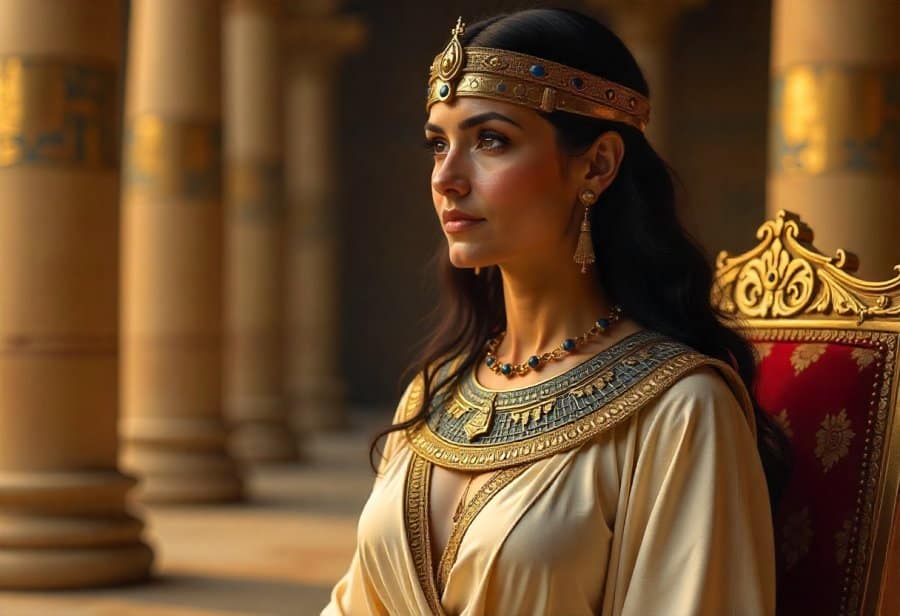
Unveiling Cleopatra’s True Power: Leadership Rooted in Intelligence and Strategy
Cleopatra VII is often remembered as one of history’s most captivating figures, but her true legacy goes far beyond her reputation for beauty or romance. She was a sharp-minded and strategic ruler who understood how to wield power through intelligence and political skill. Far from being a mere symbol of seduction, Cleopatra’s influence was rooted in her ability to navigate complex political landscapes and maintain Egypt’s independence during a turbulent era.
Her leadership was characterized by a deep understanding of both her cultural heritage and the wider geopolitical forces at play. She skillfully combined Egyptian traditions with Greek political customs, allowing her to forge alliances with powerful Roman figures like Julius Caesar and Mark Antony. These alliances weren’t based on vanity but were carefully calculated moves aimed at securing her kingdom’s future. Her ability to adapt to shifting circumstances and make strategic decisions was central to her resilience.
Cleopatra’s reputation as a scholar-queen is supported by her patronage of Alexandria’s renowned library and her personal interest in learning. She was multilingual—fluent in Egyptian, Greek, and Latin—giving her a distinct diplomatic advantage. This linguistic versatility enabled her to communicate directly with allies and rivals alike, crafting negotiations that others could not easily manage. Her intellectual curiosity and cultural fluency made her a master strategist and diplomat.
Her leadership style was a seamless blend of tradition and innovation. She positioned herself as a divine ruler by embracing Egyptian religious practices, reinforcing her legitimacy as a pharaoh. Simultaneously, she adopted Greek customs and governance styles to connect with her Macedonian heritage and the broader Hellenistic world. This dual approach helped her maintain stability within Egypt while projecting strength externally.
Beyond her alliances and cultural diplomacy, Cleopatra understood that influence came from perception, timing, and insight. Her resilience in the face of external threats and internal challenges demonstrated her ability to lead with a sharp mind. She mastered the art of making calculated moves, knowing when to stand firm and when to negotiate. Her leadership was driven by strategic thinking and adaptability, qualities that ensured her survival and legacy.
Cleopatra’s true strength lay in her intellect. She was a master of influence, shaping her image and her kingdom’s fate through knowledge and tact. Her relationships with Caesar and Antony were carefully crafted political strategies, not mere personal pursuits. Her ability to assess risks and seize opportunities with clarity set her apart from many rulers of her time.
Her example reminds us that genuine power resides in understanding others, making thoughtful decisions, and leading with insight. Cleopatra’s leadership teaches that intelligence, resilience, and strategic thinking are the most enduring sources of influence. Her legacy endures not as a myth of beauty but as a testament to the power of the mind in shaping history.
Core Principles of Cleopatra’s Leadership: Merging Culture, Diplomacy, and Wisdom
Cleopatra’s leadership was rooted in a unique blend of intelligence, diplomacy, and cultural fluency, especially in a world where male rulers typically held most of the power. She didn’t rely on symbolic gestures alone; instead, she actively shaped her kingdom’s future through strategic decisions that earned her respect both within Egypt and across the Mediterranean. Her ability to navigate complex political landscapes was built on her deep understanding of her own traditions and her mastery of Greek customs, allowing her to forge alliances and manage rivalries with finesse.
Her commitment to scholarship set her apart from many other rulers. Cleopatra was deeply invested in learning, supporting Alexandria’s renowned library and fostering an environment of intellectual curiosity. Her multilingual skills—fluent in Egyptian, Greek, and Latin—gave her a rare diplomatic edge, enabling her to communicate directly across cultural lines. This linguistic versatility allowed her to craft nuanced negotiations and build alliances that others might have missed, establishing her as a master diplomat and strategist.
Cultural awareness was central to her approach. She embraced Egyptian religious practices and positioned herself as a divine ruler to legitimize her authority, understanding that her people’s trust depended on this connection. At the same time, she adopted Greek customs and governance styles to honor her Macedonian heritage and to align with the broader Hellenistic world. This dual approach created a leadership style capable of bridging two cultures, helping her stabilize her rule amid external threats and internal challenges.
Her diplomatic skills extended beyond symbolism. Cleopatra employed marriage alliances, political negotiations, and personal diplomacy to maintain her power and influence. Her alliance with Julius Caesar was a calculated move to reclaim her throne and secure military support. Later, her partnership with Mark Antony followed a similar pattern, balancing Roman influence while striving to preserve Egypt’s independence. Her ability to judge when to negotiate, stand firm, or seek compromise was crucial to her resilience.
Her Macedonian background provided her with a solid foundation in Greek strategy and political tactics. She inherited a culture of Hellenistic influence, which she skillfully adapted to Egypt’s context. This combination of Greek military insight and Egyptian religious tradition made her a formidable leader, capable of navigating complex power struggles with confidence. Her adaptability and strategic mindset helped safeguard her kingdom’s sovereignty and expand her influence.
Throughout her reign, Cleopatra demonstrated that leadership in a male-dominated world required more than tradition; it demanded intelligence, resilience, and the ability to adapt. She was a patron of learning, a skilled diplomat, and a cultural bridge—traits that created a leadership style rooted in knowledge and strategic thinking. Her example shows that true influence comes from understanding others, making thoughtful decisions, and leading with tact and insight.
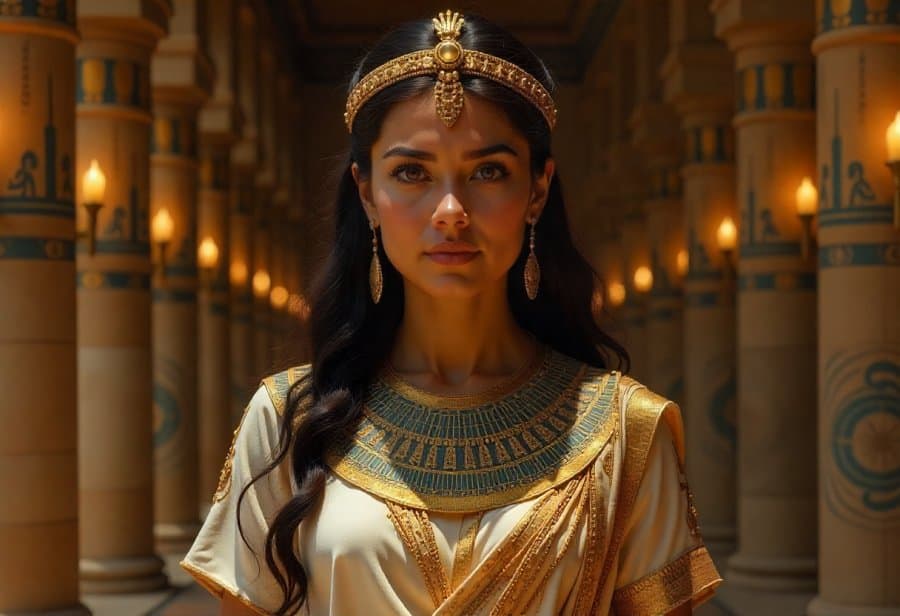
Decoding Cleopatra’s Strategic Mind: Diplomatic Mastery and Enduring Legacy
Cleopatra’s leadership was defined by a sharp, strategic mind that allowed her to navigate some of the most intricate political waters of her era. Her alliances with Julius Caesar and Mark Antony were not driven by romance or personal vanity but by calculated moves to strengthen Egypt’s position and safeguard its independence. These relationships exemplified her ability to assess power dynamics, leverage influence, and adapt her strategies to shifting circumstances. Unlike rulers who relied solely on military might, Cleopatra understood that shaping perceptions and making savvy diplomatic choices were equally vital to her success.
Her diplomatic achievements extended well beyond her well-known alliances. Fluent in Egyptian, Greek, and Latin, she communicated directly across cultural and political boundaries, crafting negotiations that others could not. Her linguistic skills provided her with an invaluable edge—allowing her to build trust, forge alliances, and manage rivalries with finesse. She knew when to stand firm and when to compromise, balancing her cultural heritage with the realities of Roman dominance. This nuanced diplomacy helped her maintain Egypt’s sovereignty amid external pressures and internal unrest.
Cleopatra’s legacy also hinges on her mastery of cultural symbolism and perception. She positioned herself as a divine ruler by aligning with Egyptian gods and religious traditions, reinforcing her legitimacy among her people. Simultaneously, she embraced Greek customs and governance styles, creating a leadership model that bridged two worlds. This ability to blend tradition with innovation made her a unifying figure, inspiring loyalty at home and respect abroad. Her leadership was rooted in understanding how symbols, timing, and insight could shape her image and influence.
Beyond her political maneuvers, Cleopatra exemplified resilience and foresight. Her decisions were purposeful, aimed at securing Egypt’s future rather than seeking personal glory. Her capacity to adapt—whether through alliances, cultural diplomacy, or tactical retreats—demonstrated her mastery of influence. She knew influence came from information, perception, and the right moment, not just raw power. Her strategic mindset allowed her to outmaneuver rivals and sustain her reign, leaving a lasting mark on history.
Cleopatra’s enduring impact lies in her ability to lead with intellect, resilience, and insight. She was a master influencer whose legacy extends far beyond myth and legend. Her life’s work reminds us that true leadership depends on knowledge, cultural fluency, and strategic vision. Her story challenges modern leaders to see influence as a product of wisdom and tact—qualities that, when combined, can shape history just as powerfully as armies or wealth.
Applying Cleopatra’s Leadership Traits Today: Lessons in Strategy, Diplomacy, and Resilience
Cleopatra’s qualities of intelligence, strategy, and diplomacy remain highly relevant today, offering valuable lessons for modern leaders and professionals. Approaching challenges with a strategic mindset involves considering long-term impacts, weighing different options, and staying adaptable as circumstances evolve. Whether in a corporate setting or personal decision-making, thinking several steps ahead can lead to more thoughtful, sustainable outcomes.
Her diplomatic finesse highlights the importance of effective communication, active listening, and cultural awareness. Building trust and fostering collaboration often depend on understanding others’ perspectives and finding common ground. Instead of relying solely on authority or force, adopting a tactful approach—seeking mutually beneficial solutions—can strengthen alliances and encourage genuine cooperation. These skills are especially vital when working across diverse teams or international contexts, where respect and understanding are key to progress.
Strategic thinking, a hallmark of Cleopatra’s leadership, can be cultivated through simple habits like analyzing situations from multiple angles, studying successful negotiations, and learning about different traditions and customs. Developing cultural fluency enhances your ability to connect, negotiate, and build rapport across varied environments. Patience, flexibility, and resilience naturally grow as you practice these habits, turning them into reliable tools for navigating complex situations.
Applying Cleopatra’s example goes beyond tactics; it’s about nurturing a mindset rooted in knowledge and self-awareness. Leaders who prioritize continuous learning—through reading, mentorship, or real-world experiences—are better equipped to understand the people and environments they influence. This ongoing pursuit of wisdom builds confidence in decision-making and expands influence, showing that influence is less about having all the answers and more about staying curious and adaptable.
In organizational settings, embodying her principles can foster resilient and innovative cultures. Encouraging open dialogue, embracing diversity, and blending different strengths reflect Cleopatra’s ability to merge Egyptian and Greek influences. When leaders focus on a long-term vision rather than short-term gains, they create a foundation for sustainable success. Her capacity to balance tradition with innovation reminds us that integrating different perspectives and strategies leads to stronger, more adaptable organizations.
Ultimately, Cleopatra’s leadership traits demonstrate that intelligence, resilience, and strategic thinking are timeless qualities that can elevate any individual or organization. Her example encourages us to value education, cultural understanding, and tact—traits that build lasting influence rooted in wisdom. By looking beyond myths and surface appearances, we recognize that true power lies in the mind’s capacity to think deeply, plan carefully, and lead thoughtfully.
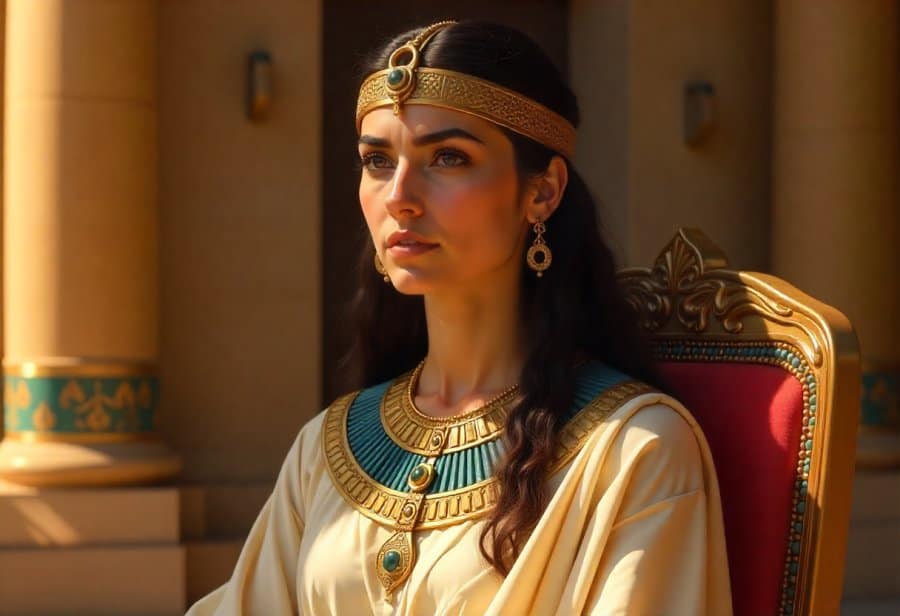
Legacy of Wisdom: Embracing Cleopatra’s Call to Lead with Insight and Strategic Foresight
Cleopatra’s true legacy extends far beyond her reputation for beauty or seduction. It lies in her mastery of the mind—her ability to wield influence through intelligence, strategic thinking, and cultural insight. She understood that genuine power wasn’t about superficial charm but about shaping perceptions, making calculated decisions, and staying adaptable in a complex world. This depth of leadership, rooted in knowledge and tact, is what has allowed her story to endure across millennia.
Her alliances with Julius Caesar and Mark Antony were not driven by vanity or personal desire but by carefully crafted political strategies. These partnerships exemplify her ability to assess power dynamics and leverage relationships to safeguard Egypt’s independence. Cleopatra knew influence came from understanding others, reading the room, and making decisions at the right moment—skills that transcend time and context.
Beyond political alliances, Cleopatra’s greatness stemmed from her commitment to learning and cultural fluency. Fluent in Egyptian, Greek, and Latin, she communicated directly across cultures, forging nuanced negotiations and alliances that others could not. Her patronage of Alexandria’s library and her own scholarly pursuits underscore her belief that wisdom was vital to leadership. Her intellectual curiosity and ability to adapt her message made her a master influencer.
Her leadership style skillfully blended tradition and innovation. She embraced Egyptian religious practices to legitimize her authority, positioning herself as a divine ruler. Simultaneously, she adopted Greek customs and governance styles to connect with her Macedonian heritage and the broader Hellenistic world. This duality created a resilient, unifying presence—one that inspired loyalty at home and commanded respect abroad.
Cleopatra’s resilience and strategic foresight reveal that influence depends on insight, timing, and perception, not just military might. Her decisions were purposeful, always aimed at securing Egypt’s future. Her ability to adapt—whether through alliances, cultural diplomacy, or strategic retreats—demonstrates a sharp mind capable of navigating the most turbulent waters with confidence.
Her legacy invites us to view leadership as a pursuit of continuous learning, cultural awareness, and strategic patience. Valuing education, emotional intelligence, and tact builds influence that withstands changing circumstances. Cleopatra’s example reminds us that true leadership emerges from a deep understanding of others and oneself, rather than superficial appearances or brute force.
In today’s world, her example encourages modern leaders to prioritize knowledge, resilience, and strategic vision. Influence rooted in insight and adaptability creates lasting impact—whether in politics, business, or personal life. Her story challenges us to look beyond myths and surface-level charm, recognizing that the most enduring power comes from the strength of the mind.
Cleopatra’s legacy is a testament to the power of intellect and strategic leadership—qualities that remain relevant and vital. Her life shows that influence is most authentic when built on wisdom, cultural fluency, and a clear vision for the future. By valuing these qualities, we can lead with purpose and leave a meaningful mark, just as she did, centuries ago.